

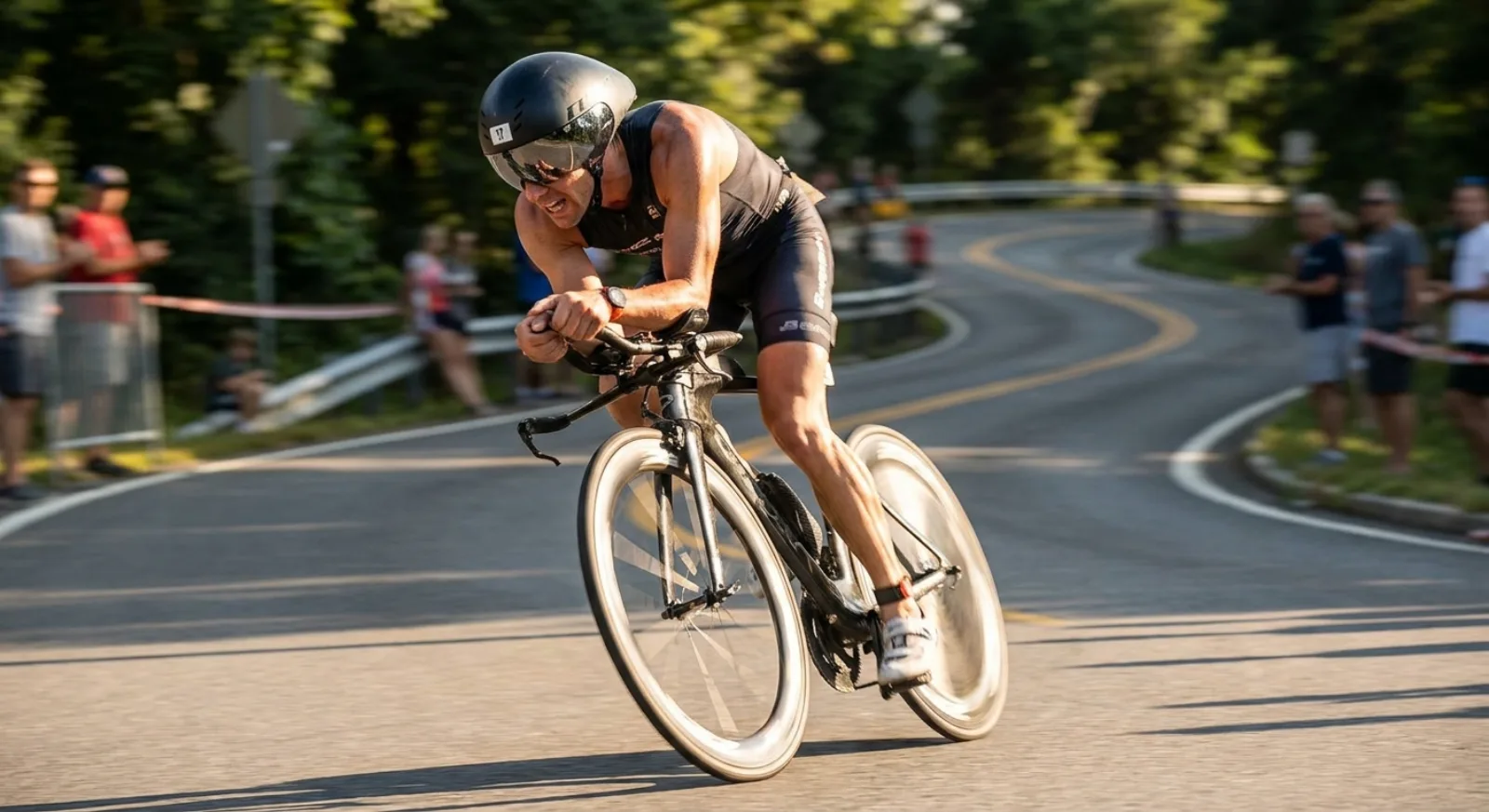
The Best Triathlon Aero Helmets of 2026: Go Faster Without Touching Your Bike
You’ve optimized your position. You’ve shaved your legs. You’ve spent four hours on YouTube watching slow-motion footage of water bottles to find the most aerodynamic hydration setup. You are, by any reasonable measure, a person with a problem. But here’s the thing — the single biggest speed gain left on the table isn’t a new frame, deeper wheels, or that chain lube that costs more than your first car. It’s what’s sitting on your head. An aero helmet. The one purchase that cuts through air resistance faster than your excuses cut through social plans on race week. If you’re not wearing one, you’re essentially strapping a parachute to your skull and wondering why your bike splits aren’t where you want them. Time to fix that.
Why Aero Helmets Actually Matter
Here’s the boring-but-crucial bit: your head and helmet account for roughly 10–15% of total aerodynamic drag on a bike. An aero helmet versus a standard road helmet can save you 30–80 watts at race pace — that’s 45 seconds to nearly 2 minutes over a 40km bike leg. For context, that’s the difference between a top-ten age group finish and a top-thirty. For zero additional fitness work. The physics doesn’t care how tired you are. An elongated tail, an integrated visor, and a smooth shell quietly destroy drag whether you slept eight hours or four. It’s basically cheating, except everyone’s allowed to do it.
1. 🥇 Giro Aerohead MIPS — ~$350
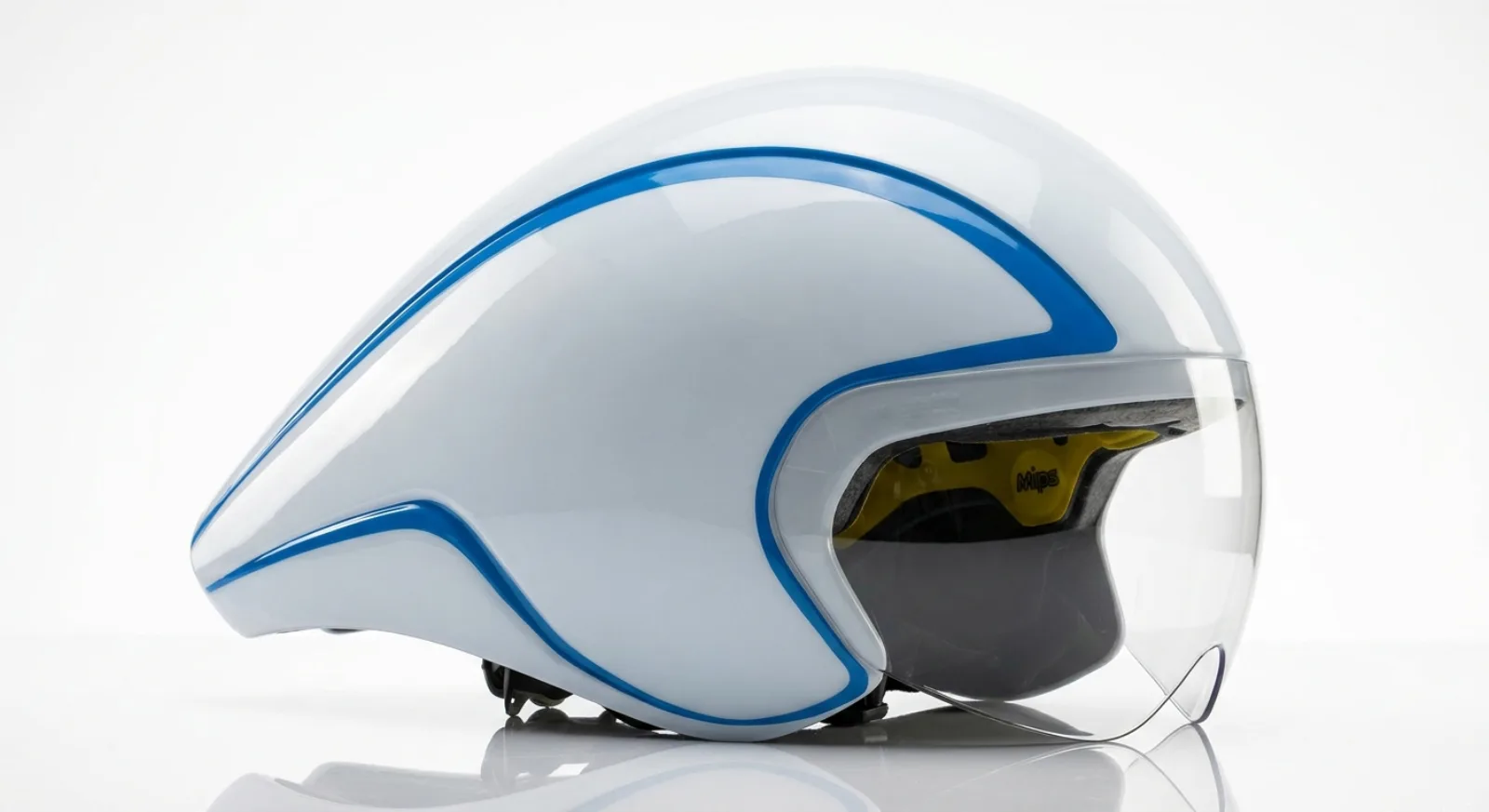
The Giro Aerohead MIPS is the helmet you buy when you want to cover every base without second-guessing yourself for the next six months. It’s been to Kona more times than most athletes have dreamed of going, it’s earned the trust of age-groupers and pros alike, and it does something shockingly rare in the aero helmet world: it includes MIPS brain protection. Most aero helmets treat crash protection as a mild suggestion. The Aerohead disagrees. The elongated rear tail is textbook — smooth, efficient, and just intimidating enough to make your training partners nervous. The integrated visor pops in and out cleanly, which matters on race morning when your hands are shaking from pre-race adrenaline. Ventilation is better than you’d expect for an aero lid; it’s not a road helmet, but you won’t be praying for cloud cover every ten minutes either. The fit is excellent, the retention system is dialed, and this is the kind of helmet that survives a bag check without a panic attack. At $350, it’s not cheap — but it’s not a mortgage payment either. Best overall, full stop.
2. 💰 Lazer Bullet 2.0 MIPS — ~$275
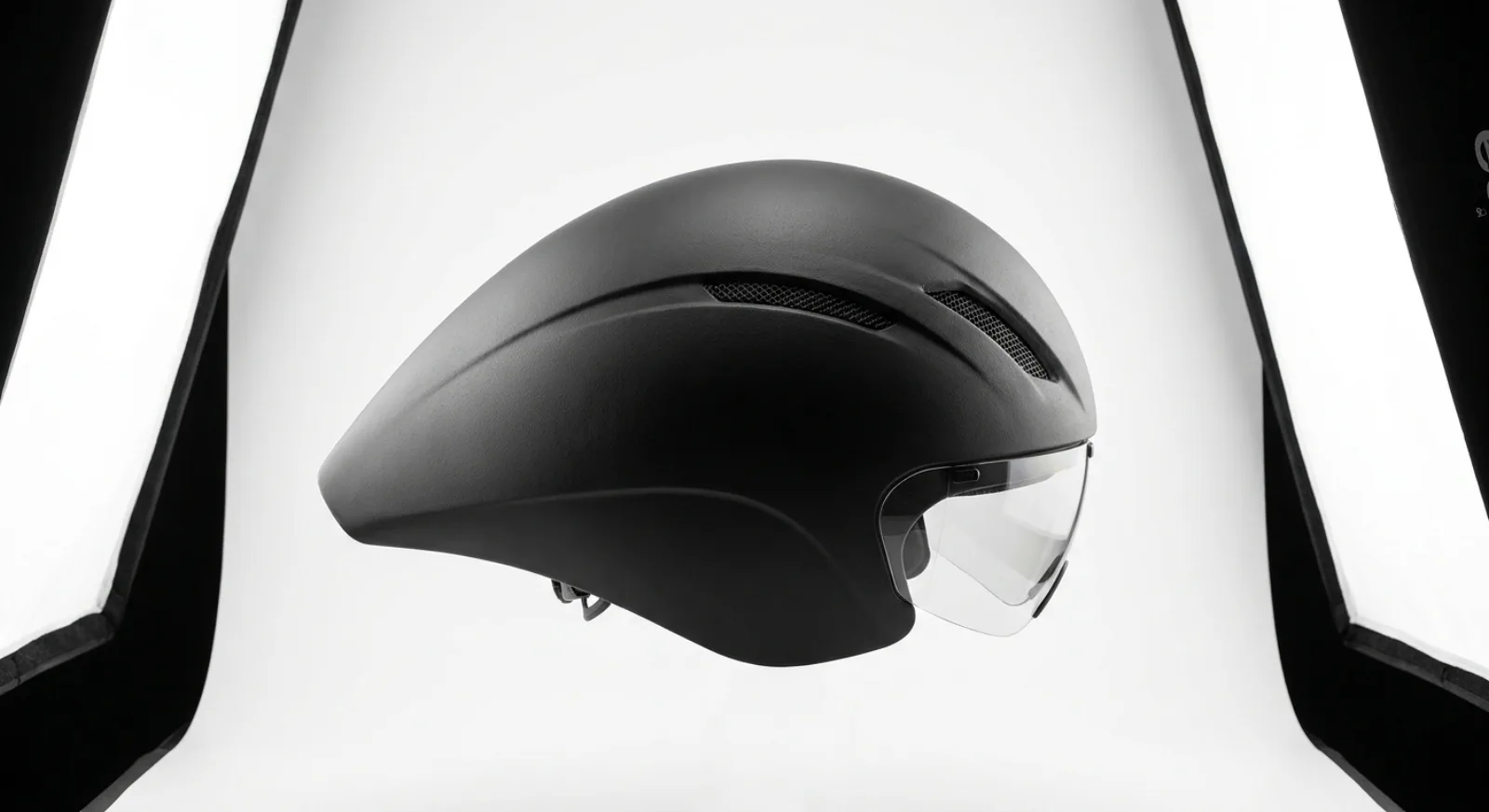
Lazer is a Belgian brand, and if you know anything about Belgian cycling culture, you know these people take going fast on bikes extremely seriously. They’ve been at it since 1919. The Bullet 2.0 MIPS is what happens when a century of cycling obsession meets modern aerodynamic engineering and a price point that doesn’t require a payment plan. The magnetic visor system is genuinely brilliant — you can pop it in or out in transitions without fumbling, which is worth more than the price difference over lesser helmets when T1 is going sideways. MIPS is standard here, aero numbers are genuinely excellent, and the ventilation sits in a sweet spot: better airflow than a pure TT helmet, still meaningfully faster than any road lid. The matte finish looks sharp. The fit is slightly on the snugger side, so size up if you’re between sizes, but once it’s dialed in, it stays dialed. At $275 for a helmet with real aero credentials, MIPS, and a magnetic visor system, this is the value play of the year.
3. 🏎️ Kask Bambino Pro — ~$380
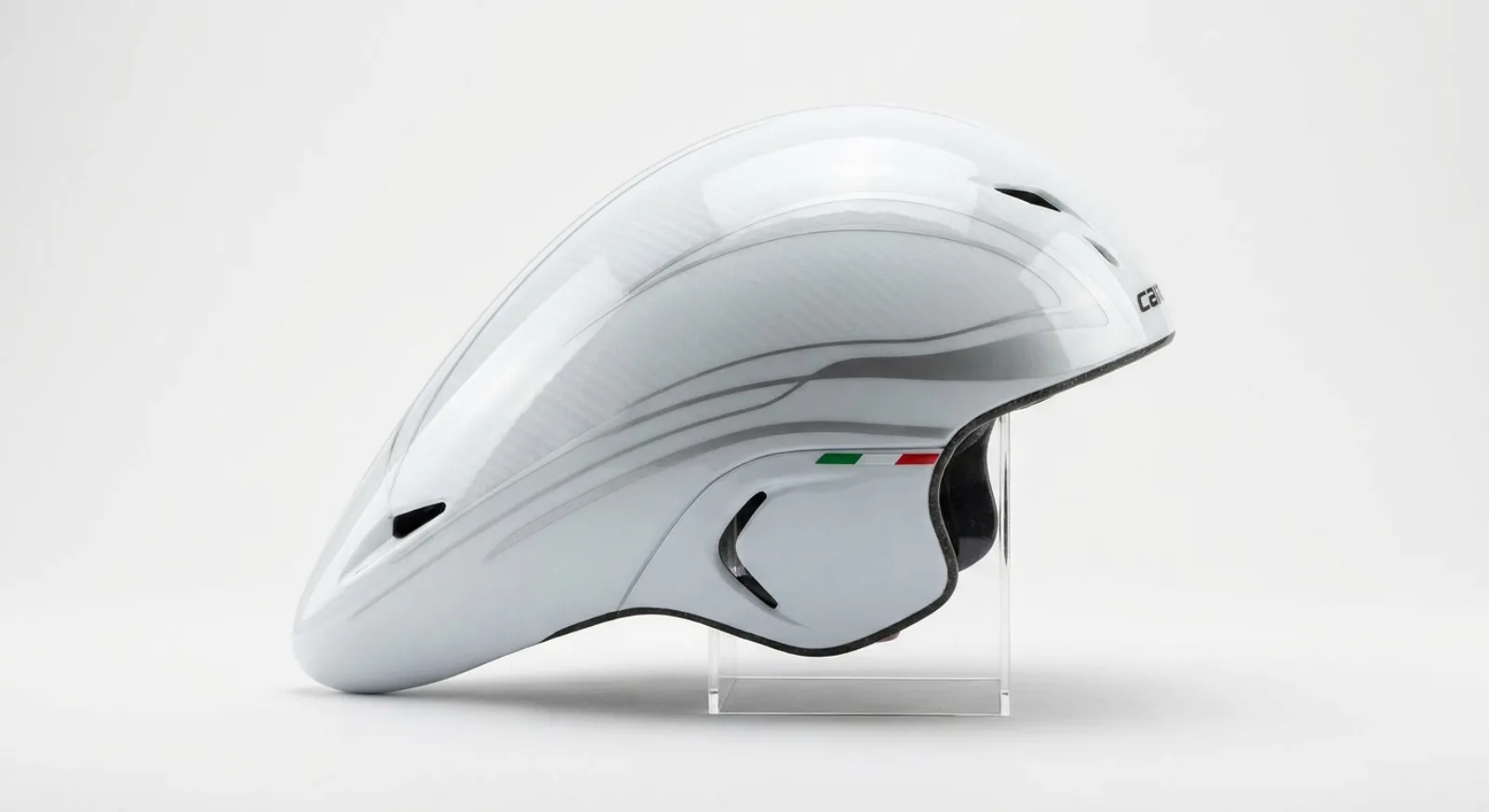
There is no ambiguity about what the Kask Bambino Pro is for. It is for going fast. Not comfortable. Not breathable. Not “great all-rounder.” Fast. The tail is long, the shell is smooth, the ventilation is minimal, and the build quality is the kind of thing you only get from Italian craftsmanship operating at full tilt. Kask makes helmets for WorldTour teams, and this one carries that DNA without apology. If you’re racing short-course — sprint, Olympic, short 70.3 — or doing early-season racing in cool conditions, this helmet will return the best pure aerodynamic numbers in the bunch. Fair warning: the minimal ventilation means you will notice it in heat. This isn’t a helmet for a 95°F Florida Ironman if you run hot. It’s a helmet for days when conditions cooperate and you want every marginal gain on the table. Also, you will look extremely serious in this thing. People at Tuesday morning training rides will give you looks. You’ve been warned. At $380, the premium is the Italian build quality and the aero credentials — both are real.
4. 🛠️ Bell Javelin MIPS — ~$230
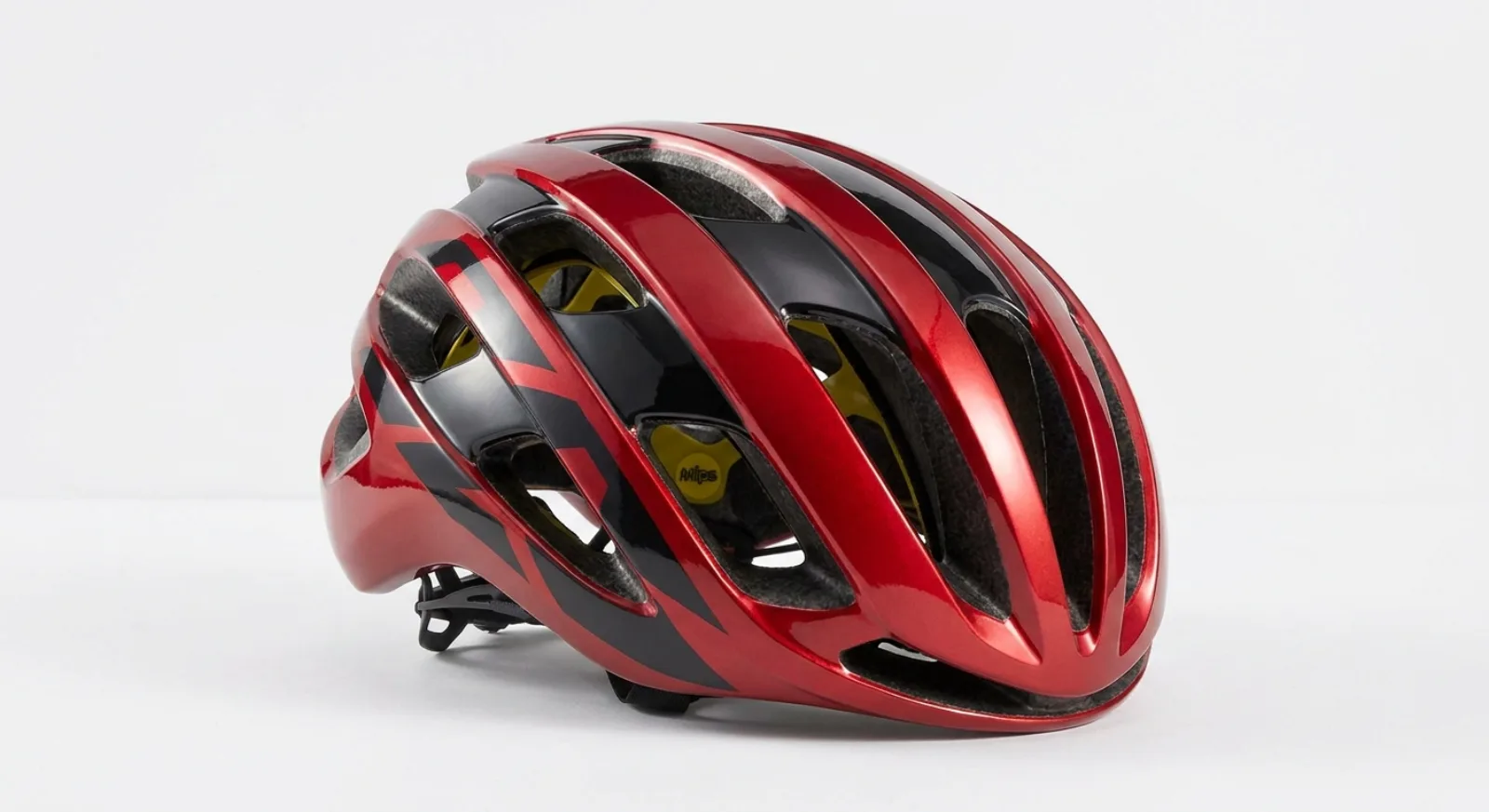
The Bell Javelin MIPS shouldn’t exist at this price. MIPS in an aero helmet under $250 is almost offensive to the other helmets on this list. And yet here it is, saving you approximately 45–60 seconds over 40km compared to a standard road helmet and not bankrupting you in the process. Bell has been making helmets long enough to know that “good enough” aero at an accessible price point earns more customers than “perfect aero” at a price that makes people reconsider their life choices. The Javelin delivers solid aerodynamic gains, ventilation slots that keep temperatures manageable on race day, a fit that works for a wide range of head shapes, and MIPS protection that no other helmet in this price range can match. Is it the sleekest thing in transition? No. Is it the most optimized aerodynamic shell you can buy? Also no. But is it a genuinely fast helmet that will make you meaningfully quicker on the bike leg for a price that leaves money for race entries? Absolutely. If you’re new to aero helmets or just can’t justify $350+, start here.
5. ⚖️ Bontrager Ballista MIPS — ~$300
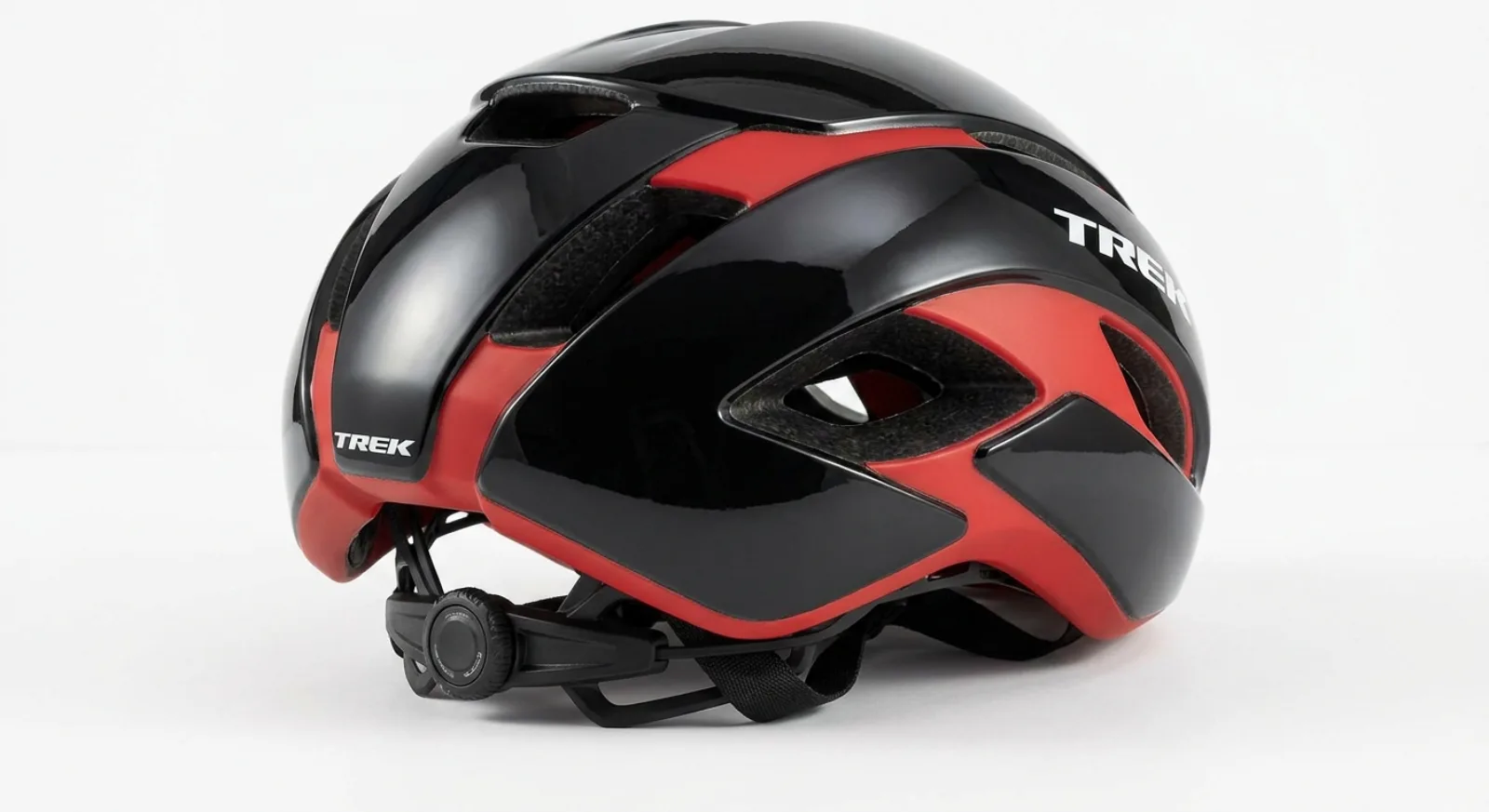
Trek and Bontrager spent real time figuring out what long-course triathletes actually need from an aero helmet, and the Ballista MIPS is the result. It’s not the most aggressive aerodynamic lid in this lineup — the Bambino Pro and the POC Tempor have it beat in a wind tunnel — but the Ballista makes a very compelling case that the fastest helmet is the one you can actually wear for seven hours without losing your mind. The fit system is exceptional: precise, adjustable, stable under fatigue. MIPS is standard. The aerodynamics are meaningfully better than a road helmet — you’re not giving up the gains, you’re just trading a small fraction of them for a helmet that stays comfortable when you’re 90 miles in and running on gels and willpower. If you’re a 70.3 or full Ironman racer who values sustainable comfort alongside speed, the Ballista is the obvious choice. It’s the “I want to go fast but also finish coherent” helmet. At $300, it sits right in the middle of the market and earns every dollar.
6. 👑 POC Tempor — ~$450
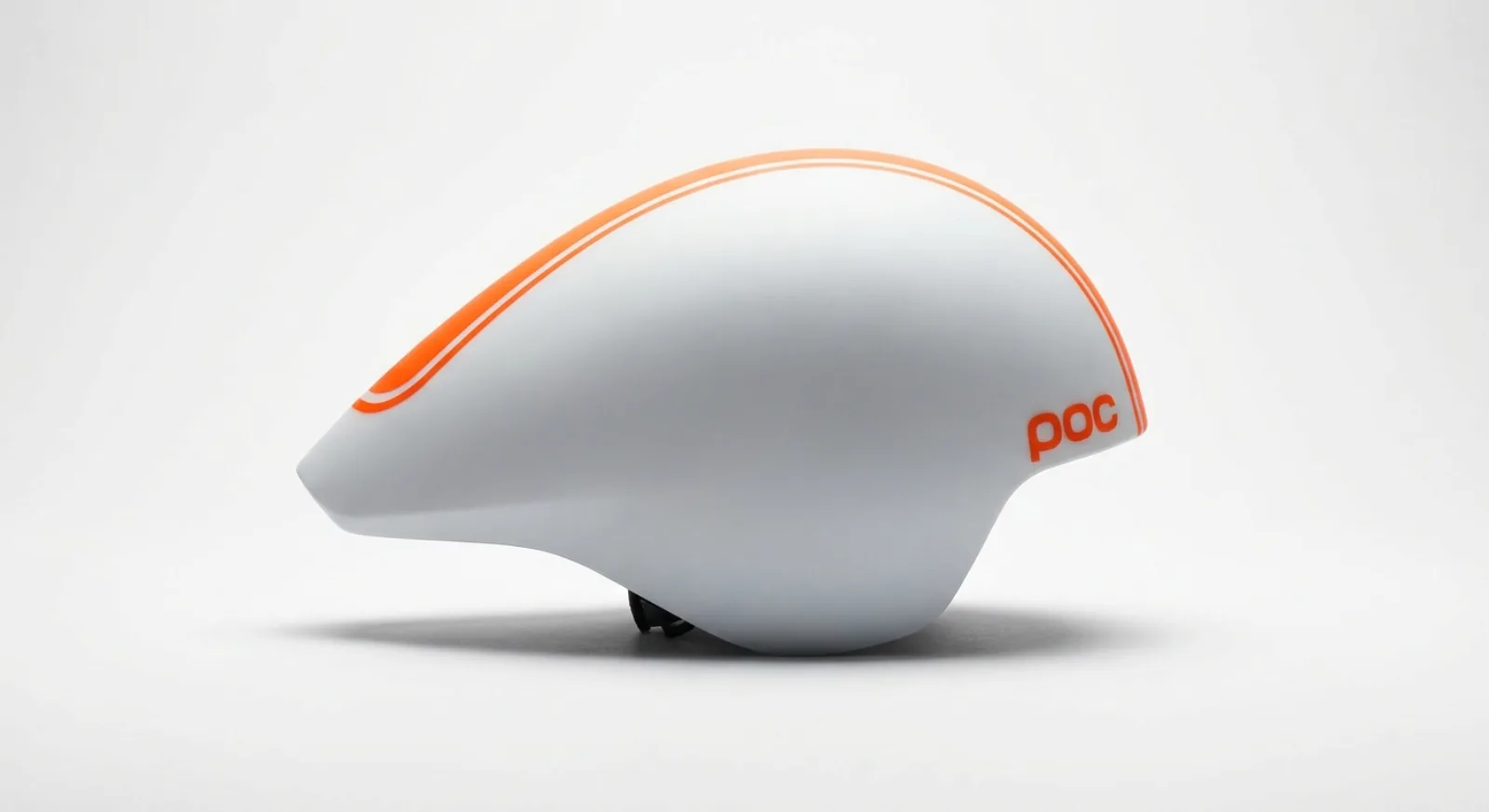
The POC Tempor was designed for WorldTour time trial specialists. People whose entire professional livelihood depends on going as fast as possible from point A to point B on a bicycle. It is not a helmet with compromises. The aerodynamic shell is superb — smooth, elongated, relentlessly optimized — and the finish quality is the kind of thing you notice immediately and don’t stop noticing. There’s no integrated visor; you wear a separate clip-on visor underneath, which means a minor compromise in transition but zero compromise in aerodynamics. The visor arrangement actually works well once you’re used to it. Fair warning: if you’re spending $450 on this helmet, you should probably also be spending $7,000+ on the rest of your bike setup, because the gains compound. If you’re riding a $10,000 tri bike with a $150 road helmet, you are leaving time on the course that this helmet would hand back. For serious age-groupers chasing podiums and anyone who wants the best aero shell regardless of price, the Tempor is the answer. You’ll look like you mean it, because you do.
Quick Picks: Find Your Helmet
- 🥇 Best Overall: Giro Aerohead MIPS — proven, safe, excellent all-round package
- 💰 Best Value Aero: Lazer Bullet 2.0 MIPS — Belgian-engineered speed at a sane price
- 🏎️ Best Pure Speed: Kask Bambino Pro — no compromises, all fast, Italian obsession
- 🛠️ Best Budget Aero: Bell Javelin MIPS — MIPS at this price should be illegal
- ⚖️ Best Comfort + Speed Balance: Bontrager Ballista MIPS — the long-course racer’s choice
- 👑 Best Premium Pick: POC Tempor — WorldTour DNA, zero excuses, maximum speed
Final Verdict
If you own a road helmet and you race triathlons, you are losing free time every single bike leg. An aero helmet isn’t a luxury — it’s the highest-return-per-dollar speed upgrade available, full stop. The Giro Aerohead MIPS is the best place to start for most people: it’s fast, it’s safe, it’s proven. If your budget is tighter, the Bell Javelin won’t disappoint. If you race long-course and comfort matters, go Bontrager. If you want to squeeze every last watt, POC Tempor. The right aero helmet is the one on your head on race day — so pick one and stop leaving time on the road.
Sarah McKenna is a Triathlon Universe contributor and athlete. A former category 2 road cyclist who made the jump to triathlon five years ago, she has completed two full IRONMANs and refers to the bike leg as “the part where I stop pretending I have weaknesses.” She is legally required to mention watt savings in any conversation about helmets.


