

The Best Triathlon Swim Goggles of 2026: Open Water, Pool, and Everything In Between
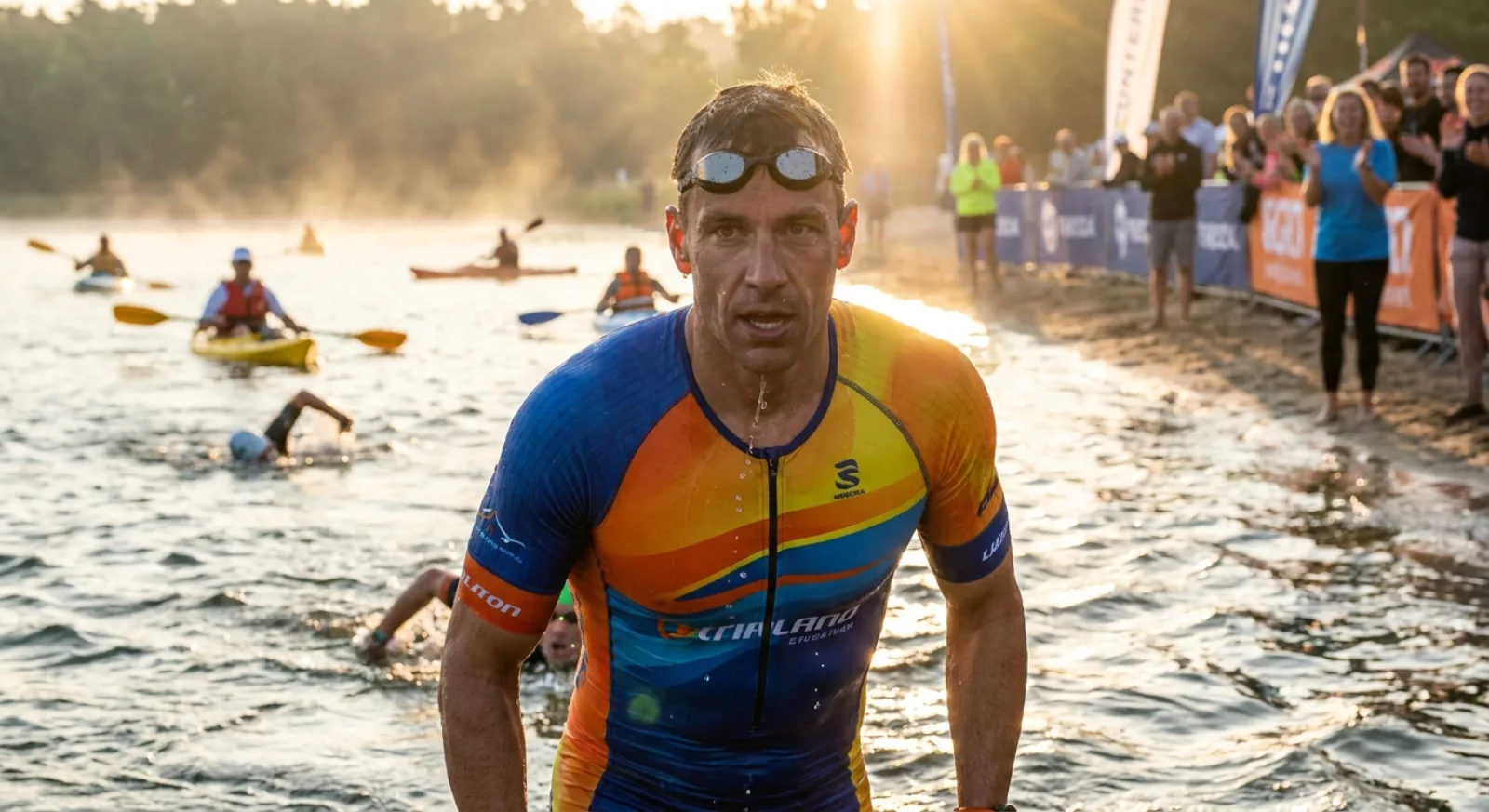
Let me paint you a picture. It's race morning. You're standing waist-deep in a lake that smells vaguely like regret, 400 other triathletes are jostling you from every angle, and the starting horn just went off. You've trained for months for this. You dive in — and your goggles immediately flood. Or fog up so thick you're essentially swimming blind. Or the strap snaps. Or the seal suctions so hard against your face that by T1 you look like you lost a fight with a vacuum cleaner.
I've lived every single one of those scenarios. The goggles are a small piece of gear that get almost no respect in tri circles — everyone talks about wheels and wetsuits — but they sit on your face from the starting gun straight through to T1, and if they fail, your swim is ruined before you've taken 50 strokes.
So here's a brutally honest guide to the best triathlon swim goggles of 2026. Six options, real opinions, no hedging.
What Actually Matters in a Triathlon Goggle
Pool goggles and triathlon goggles are different animals. In a pool, you're swimming in a lane with nobody elbowing you in the face. In open water, you need a wider field of view so you can sight buoys without stopping, a seal that survives contact sport at the start line, anti-fog that actually lasts longer than the first 200 meters, and ideally a lens tint suited to the conditions. Polarized lenses are underrated for sunny morning swims — the surface glare on choppy water is genuinely disorienting. A low-drag profile matters less than comfort and vision. Pick the wrong goggle and you'll spend the whole swim tugging and adjusting instead of, you know, swimming.
1. 🥇 Roka F2 AVCS — ~$80
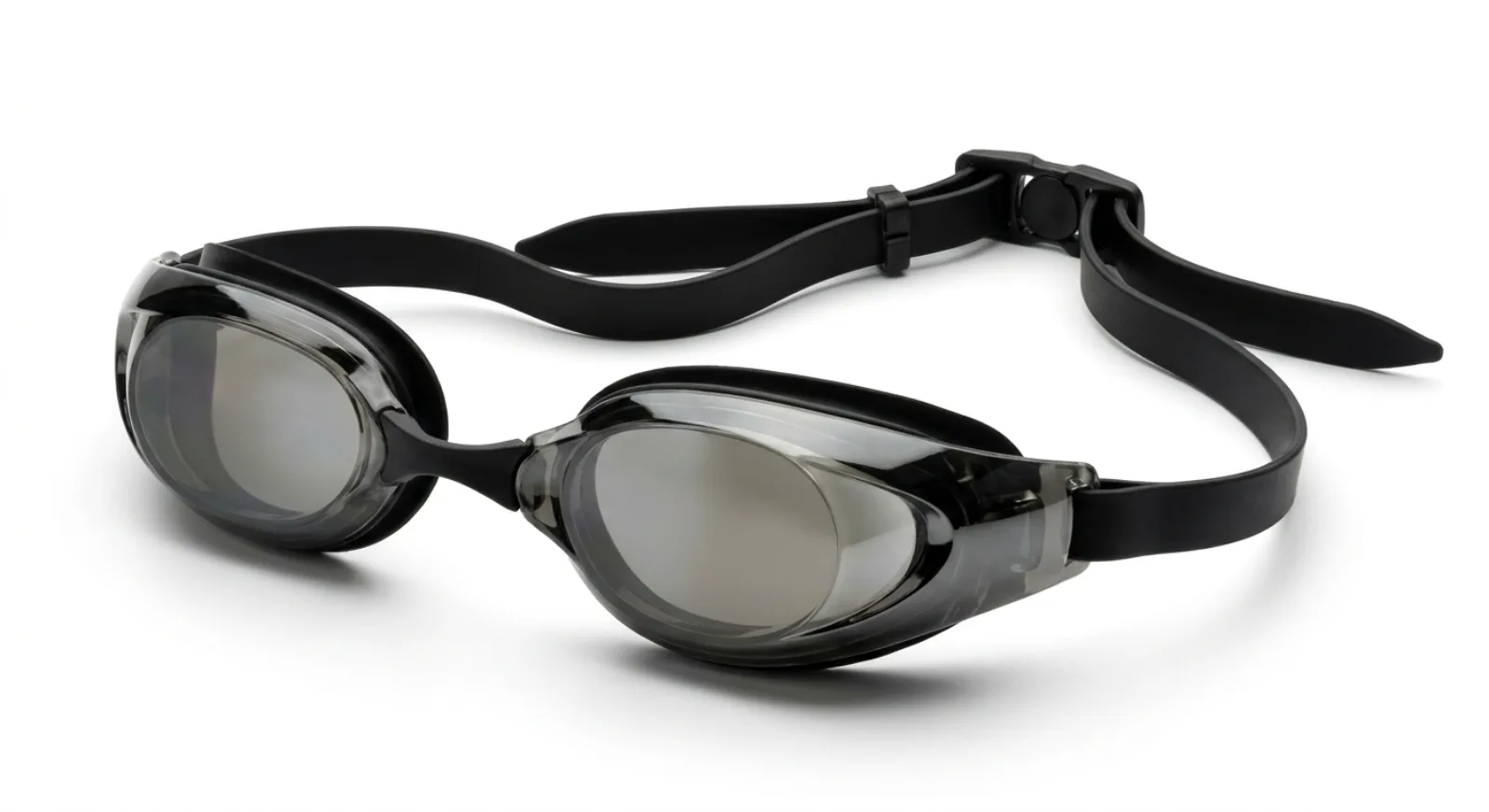
Roka built their reputation making gear specifically for triathletes, not swimmers who occasionally do triathlons — and the F2 AVCS is the clearest expression of that philosophy. The star feature is the AV Coating System, their patented anti-fog treatment that's chemically bonded to the inside of the lens rather than just sprayed on. What that means in practice: these don't fog up after a few uses like every other goggle you've ever owned. The seal is a comfortable silicone gasket that sits flush against your face without leaving the infamous raccoon eyes you'll be wearing in every finisher photo with lesser goggles.
The hydrodynamic shell is genuinely low-drag — you can feel the difference in the water compared to bulkier designs. Peripheral vision is wide enough to sight confidently without lifting your head as much as you normally would. Multiple lens tints are available: smoke for overcast days, blue mirror for bright sunlight, clear for indoor pools or pre-dawn starts. At $80 these aren't cheap, but you know what's more expensive? A bad swim split because you spent 1,200 meters half-blind. The F2 AVCS are the best all-around triathlon goggles you can buy right now, full stop.
2. ☀️ TYR Special Ops 2.0 Polarized — ~$55
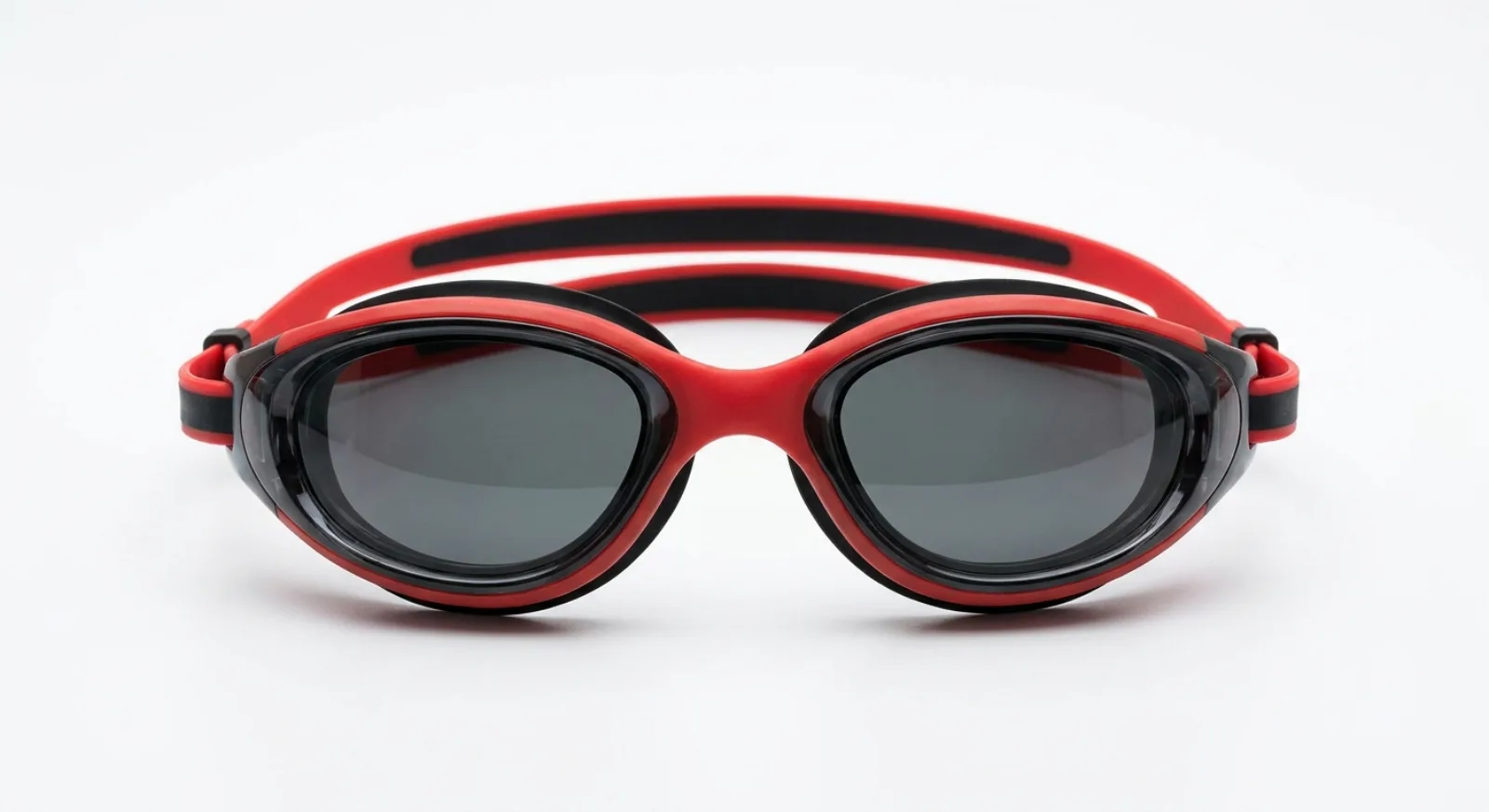
Here's a thing people don't talk about enough: open water surface glare is brutal on a sunny morning. You're trying to sight a buoy 200 meters away while the sun is low and the water's choppy, and everything is just a blinding reflective mess. Polarized lenses kill that. The TYR Special Ops 2.0 Polarized does exactly what it says — the polarized lens cuts the glare dramatically, making sighting actually possible rather than a desperate squinting game.
The wide oval lens shape gives you a generous sight line, and the shatter-resistant polycarbonate construction means these survive the kind of accidental face-first impact that happens at mass-start IRONMAN swims. There's a reason you see these goggles at almost every major IRONMAN event — they've earned their reputation on crowded courses where the conditions are unpredictable. The dual silicone straps hold well under pressure, and the red-and-black colorway is aggressive in the best way. At $55 they're solid value for a polarized lens. The one caveat: if your race is overcast or you're swimming indoors, the polarized tint might be darker than you want. Have a backup clear lens option for grey days.
3. 💡 Speedo Biofuse 2.0 — ~$35
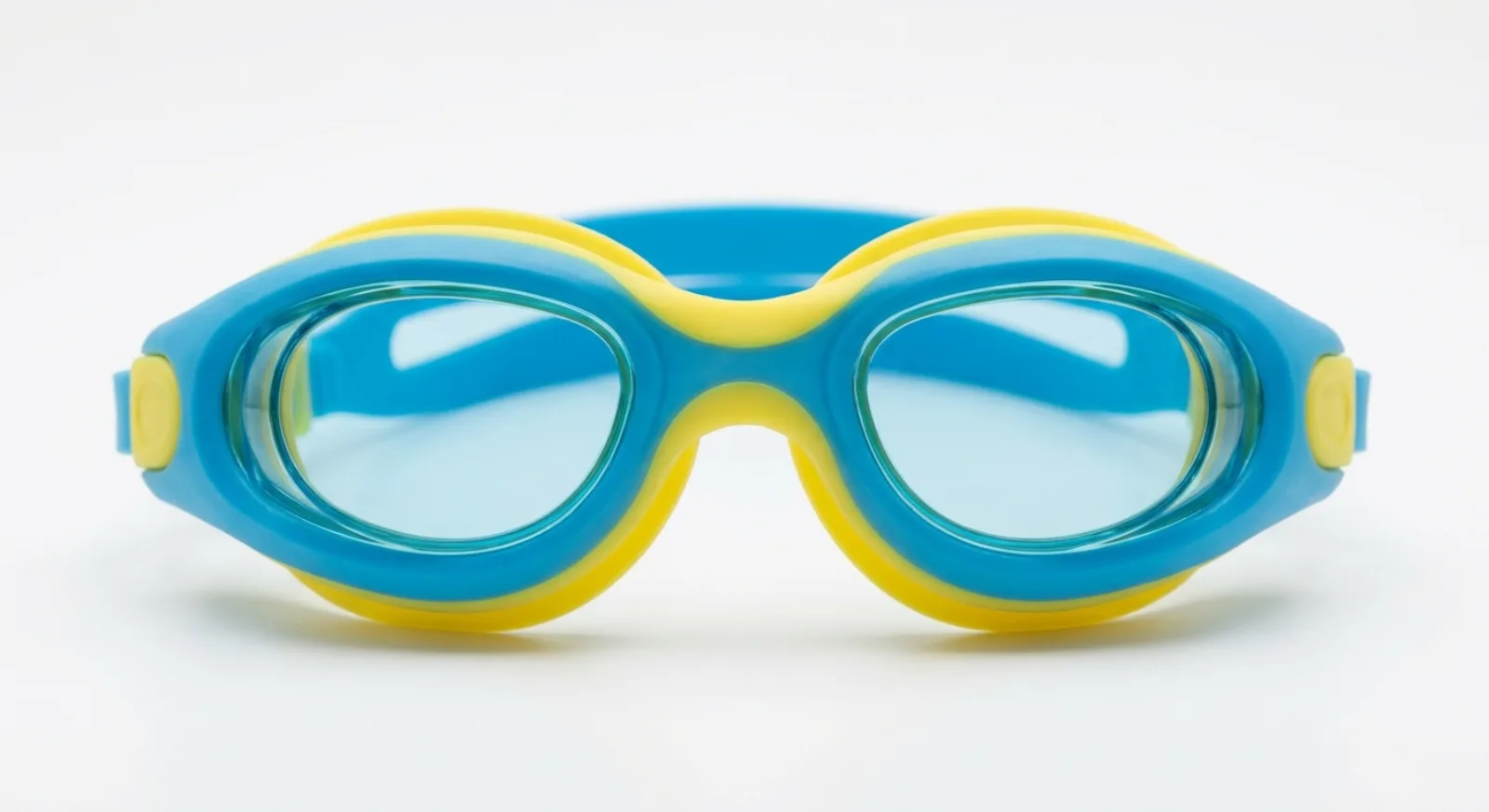
Not everyone needs to spend $80 on goggles. I'll say it plainly: for anyone new to triathlon, or anyone who mainly swims in pools and does the occasional open water race, the Speedo Biofuse 2.0 is genuinely excellent and costs $35. The soft Biofuse silicone gasket molds to the contours of your face in a way that harder gasket materials can't match — it just conforms and seals without the pressure-headache aftermath. It's the goggle equivalent of a good mattress: you don't notice it when everything's working, and that's the point.
The anti-fog coating holds up better than you'd expect at this price point, the UV protection is there, and — this sounds minor but isn't — you can adjust the strap without taking the goggles off your head. When you're standing on a beach in a wetsuit with 60 seconds to race start and you realize the strap's slightly loose, that one-handed micro-adjustment capability is genuinely clutch. These won't leak on a chaotic race start, they don't require a PhD to size correctly, and they're forgiving of slightly imperfect fit. Buy these. Especially if you're starting out or want a reliable backup pair.
4. 👁️ Aqua Sphere Kayenne Pro — ~$50
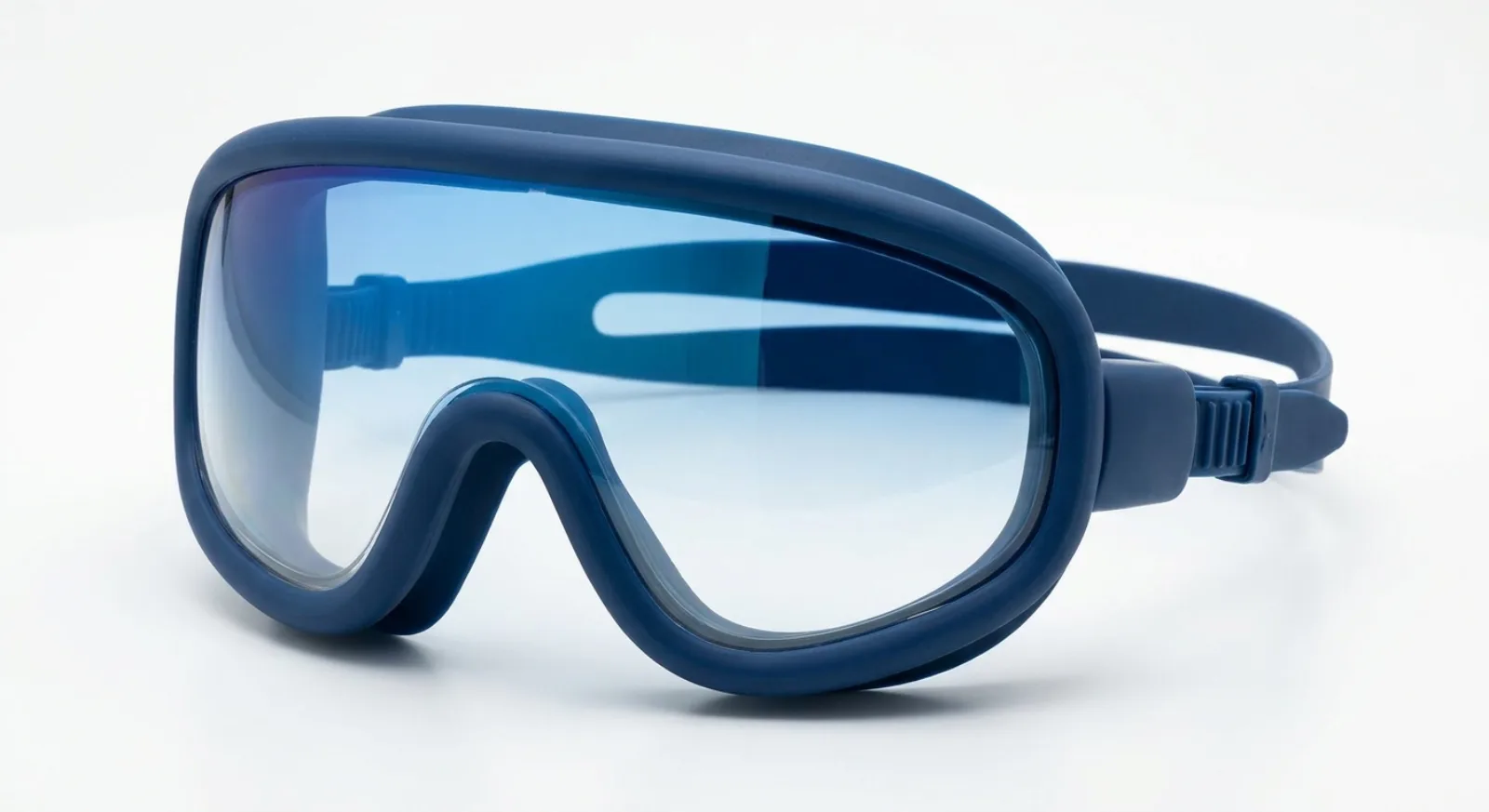
Some athletes — and I've been one of them — feel a creeping claustrophobia in small, tight racing goggles. The lens is close to your eye, the seal is firm, and after a few hundred meters you're hyperaware of everything pressing against your face. The Aqua Sphere Kayenne Pro is the antidote to that. The massive curved lens gives you something approaching 180-degree peripheral vision, and the soft frame creates almost zero pressure on your eye socket. It feels more like wearing a dive mask than a racing goggle — in a good way.
The panoramic view is legitimately useful in open water racing. You can see swimmers to your left and right without turning your head, which reduces the sighting stops that cost you time and rhythm. The stabilizer bridge between the two lenses reduces leakage risk even when the fit isn't perfect — it's a forgiving design. If you're someone who finds conventional goggles uncomfortable after a kilometer, these could genuinely transform your swim. The $50 price is fair for what you get. The trade-off versus a more streamlined goggle is slight drag, but honestly, for most age-groupers in a 1.9km swim, we're not at the level where goggle drag is our limiter.
5. ⚡ Zone3 Attack — ~$45
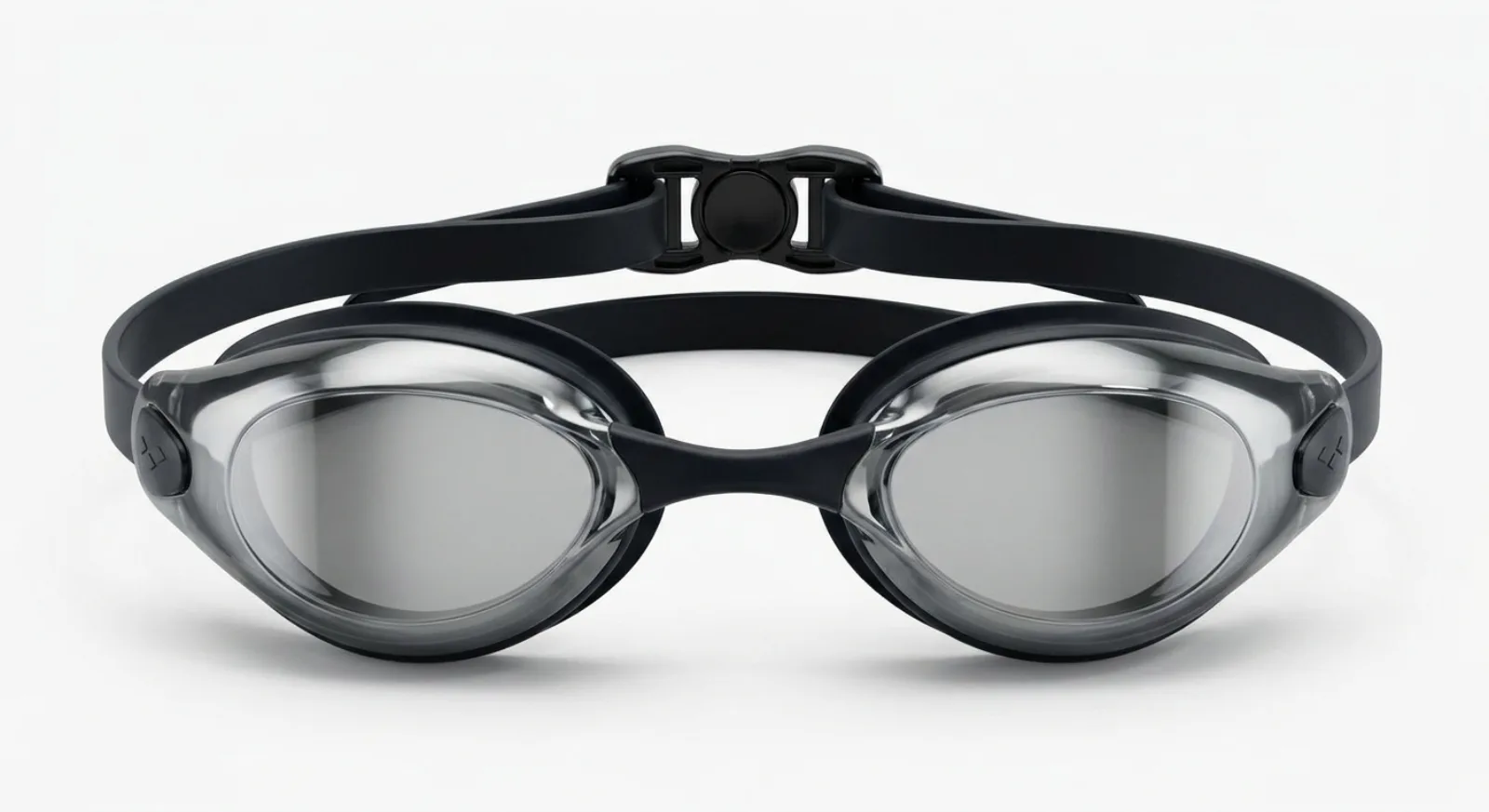
Zone3 has quietly become one of the best triathlon-specific brands in the market — their wetsuits are excellent, and the Attack goggle carries that same philosophy: purpose-built for the sport, not repurposed from something else. The low-profile hydrodynamic design sits close to the face and reduces drag meaningfully. The mirror coating handles bright conditions well. But the feature I keep coming back to is the quick-fit buckle, which lets you pop these off fast in T1 without the fumbling, strap-catching disaster that can cost you 10+ seconds on a flying transition.
UV protection is solid, anti-fog is reliable for a full swim, and the comfort holds up for longer distances — I've worn these through 70.3 swims without any pressure discomfort. The lens tint is versatile enough for most race conditions short of full polarized requirements. At $45, the Zone3 Attack sits in a competitive sweet spot: more performance than the budget options, noticeably cheaper than the Roka. If you want a racing goggle that's race-day ready out of the box and won't break your kit budget, this is the one. Excellent price-to-performance ratio, no caveats.
6. 🌊 Orca Killa 180° — ~$60
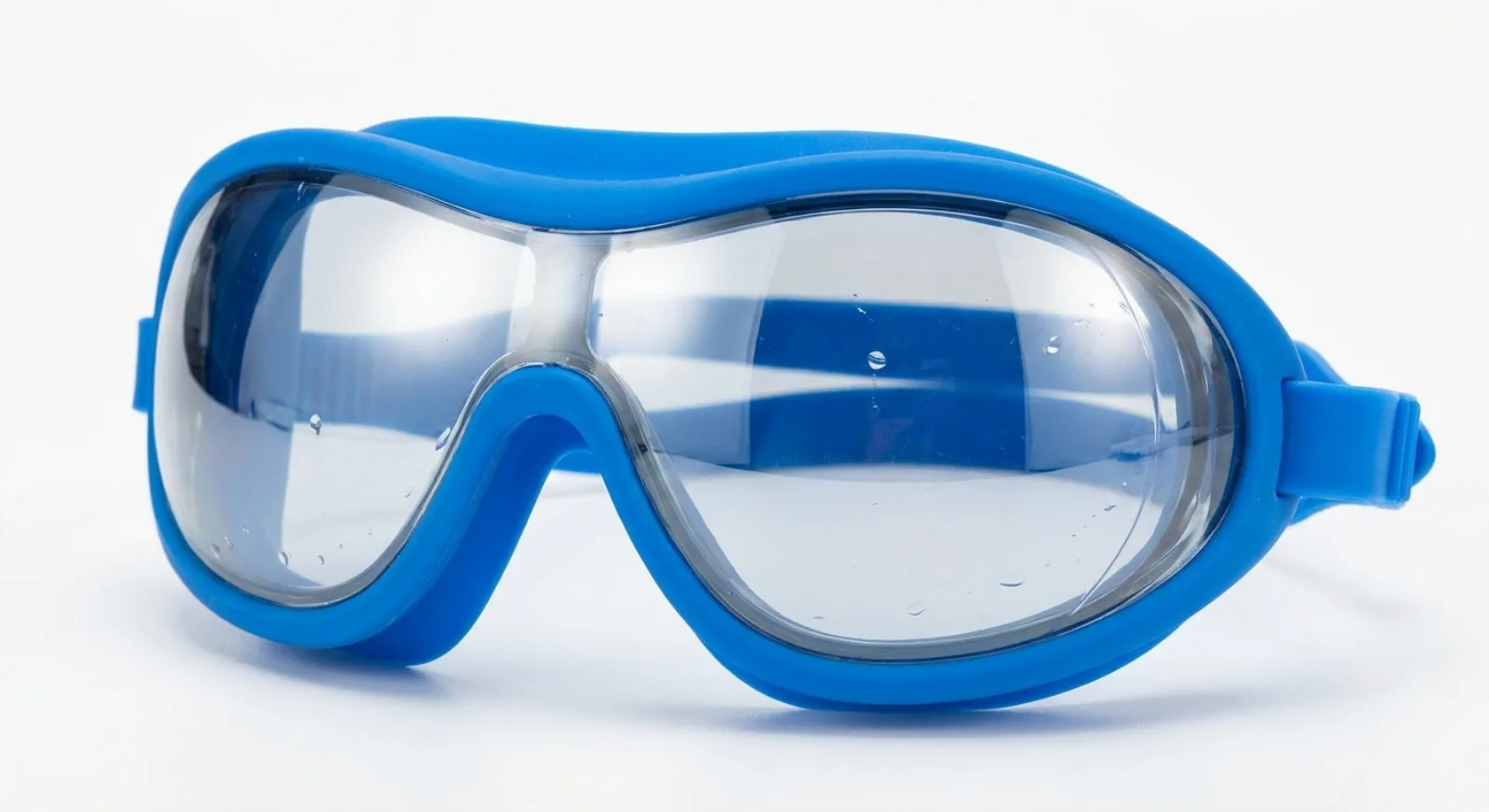
The Orca Killa 180° is the goggle I'd hand to someone who is genuinely anxious about their first open water swim. The spherical lens isn't marketing fluff — it actually does provide a wider field of vision than conventional goggles, and in the chaos of an open water start, being able to see what's happening around you without stopping and lifting your head is a real psychological comfort. It's the difference between feeling oriented and feeling like you're swimming blind in a crowd of aggressive strangers who are actively trying to climb over you.
The soft flexible frame is forgiving of imperfect fit, which is a genuine feature for anyone with a face shape that doesn't conform to the narrow band that most racing goggles are designed around. The anti-fog coating holds well, UV protection is present, and the fit is wide and accommodating. At $60 they're priced slightly above the Zone3 Attack with less raw speed but more situational awareness and comfort. These aren't the goggle of choice for experienced swimmers chasing a fast split — they're the goggle that helps anxious swimmers actually relax in the water. And for a huge portion of the triathlon field, that relaxed swim is worth more than any aero advantage.
Quick-Pick Summary
- 🥇 Best Overall: Roka F2 AVCS (~$80) — Anti-fog that actually lasts, low drag, race-ready lens options
- ☀️ Best for Sunny Open Water: TYR Special Ops 2.0 Polarized (~$55) — Kills surface glare on bright choppy starts
- 💡 Best Value / Best for Beginners: Speedo Biofuse 2.0 (~$35) — Soft seal, reliable anti-fog, ridiculously good for the price
- 👁️ Best Field of View: Aqua Sphere Kayenne Pro (~$50) — Near-180° panoramic lens, zero pressure on face
- ⚡ Best Racing All-Rounder: Zone3 Attack (~$45) — Low drag, fast T1 buckle, solid performance at a fair price
- 🌊 Best for Open Water Beginners: Orca Killa 180° (~$60) — Maximum situational awareness, forgiving fit for anxious OW swimmers
The Verdict
The Roka F2 AVCS is the best triathlon goggle you can buy if you're picking one pair for everything. The anti-fog technology alone justifies the price premium — fog is the silent race-ruiner that doesn't show up in Strava but absolutely costs you minutes and confidence. If you're on a budget, the Speedo Biofuse 2.0 is genuinely great and you won't feel like you compromised. And if open water makes you nervous, the Orca Killa 180° or Aqua Sphere Kayenne Pro will help you actually feel what's around you, which matters more than most triathletes will admit. Whatever you pick — test them in the pool first. Race day is not the moment to discover they don't seal on your face.
Danny Walsh is a Triathlon Universe contributor and athlete. He swam competitively through college before discovering triathlon eight years ago and has since completed three IRONMAN 70.3 events. He still blames goggle fog for at least two of his swim splits.


