
Ask any seasoned triathlete what single piece of gear generates the most heated debate on r/triathlon, and the answer — after about three seconds — is the trisuit. Not the bike. Not the shoes. The suit. Because the trisuit is the one piece of equipment that has to perform across three completely different sports in a single outing. It goes in the water, it gets hammered on the bike, and it finishes the run. It needs to be aero, it needs to be comfortable, it needs to dry fast, and it needs to not destroy you by mile 20. That's a lot to ask of a piece of lycra.
The 2026 market has matured considerably. Brands have stopped treating trisuits as an afterthought and started pouring genuine engineering into them — aerodynamic fabric testing in wind tunnels, smarter chamois construction, thermal regulation panels, and pocket systems that actually make sense. If you're still racing in a five-year-old suit because "it still works," this guide will change your mind.
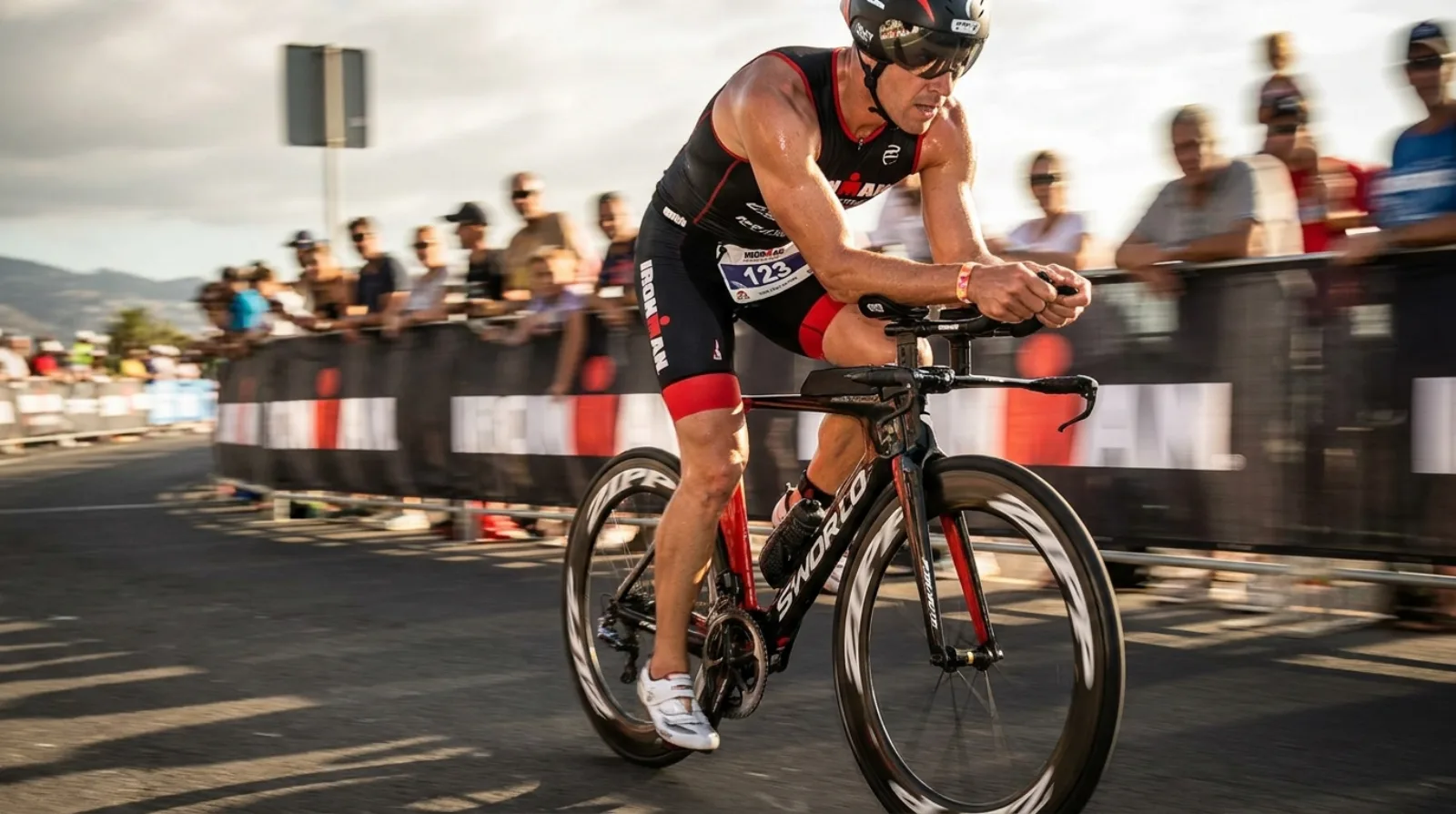
What to Actually Look For in a Trisuit
Before you get pulled into a brand rabbit hole, understand the variables that actually matter. Trisuits vary wildly, and most of the spec sheet noise obscures what counts in practice.
Chamois (Pad)
This is the big one. The chamois in a trisuit is thinner than in a traditional cycling kit by design — it has to dry quickly after the swim and not feel like a loaded diaper on the run. What you're looking for is density and placement, not thickness. Dual-density foam and gel-core designs (like those used in Castelli and Zone3 suits) offer meaningful saddle support for long rides without bulk. The sweet spot for Ironman distances is 6–8mm of chamois. Sprint and Olympic? You can go thinner or even no-pad without much consequence.
Aerodynamics
Aero is real, even at amateur speeds. Fabric surface texture, sleeve length, and suit fit all affect drag. Wind tunnel testing — now standard at brands like Zone3, Castelli, and Huub — has shown that the right fabric can save 20–40 watts at 40kph. Look for suits that reference independent aero testing rather than just marketing claims. Silicone speed ribs on sleeves (Castelli PR Speed) and elongated arm coverage are the leading tactics in 2026.
Thermal Regulation
HeiQ Smart Temp technology and multi-zone fabric paneling are making thermal management a real feature rather than a buzzword. For hot races, mesh under-arm panels and perforated chamois fabrics matter. For cold-water open swims, a more closed weave on the chest can buy you a few degrees of comfort before the wetsuit comes off.
Pockets
Rear pockets are non-negotiable for anything beyond Olympic distance. You need to carry gels, CO2, and salt tabs without an additional race belt. Three rear pockets is the standard — two flanking, one center. The center pocket should be large enough for a folded gel flask or phone. Some suits (Zoot, Orca) have gone to a single large rear pocket which works fine. Avoid suits with only two narrow pockets if you're racing long course.
Fit and Material
Four-way stretch is table stakes. What separates suits at the premium end is the tension consistency across body positions — the suit should compress evenly whether you're stretched out in aero or upright on the run. Flatlock seams reduce chafing. Silicone leg grippers keep things in place through T2. Material weight (gsm) matters for durability — lighter suits feel faster but wear out faster, especially at the thighs and inner arms.
Chamois vs. No Chamois: The Real Debate Settled
This one comes up constantly, and the answer is simpler than the forum threads suggest: it depends almost entirely on race distance and saddle fit.
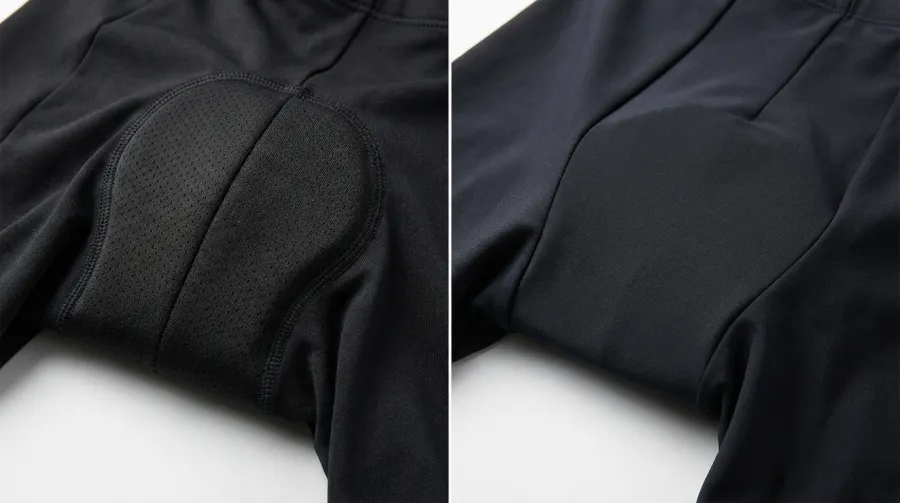
For sprint and Olympic distance races — bike legs of 20km to 40km — you likely don't need significant chamois padding. A minimal 3–4mm pad or even a chamois-free suit is perfectly viable. The bike leg is short enough that saddle pressure doesn't accumulate into real discomfort, and the lighter suit will feel better on the run.
For 70.3 (half-Ironman) distances, a quality chamois becomes genuinely useful. You're spending 2–3 hours on the bike, and the last thing you want entering the run is inflamed sit bones. A 6mm dual-density chamois does real work here.
For full Ironman (140.6), this is where some athletes go the other direction and choose a thicker chamois — or even wear bib shorts under the trisuit. The tradeoff is transition time and extra weight. The better answer is usually a high-quality 7–8mm chamois in the trisuit itself, paired with a properly fitted saddle. If your saddle fit is dialed, even a thin chamois handles an Ironman bike leg cleanly.
The actual debate: No-chamois suits are slightly faster (less fabric bulk, no moisture retention in the pad), but the comfort cost beyond 90 minutes on a bike is significant unless your saddle fit is perfect. For most age-groupers, a quality thin chamois is the right call for 70.3 and above.
Top 5 Trisuits of 2026
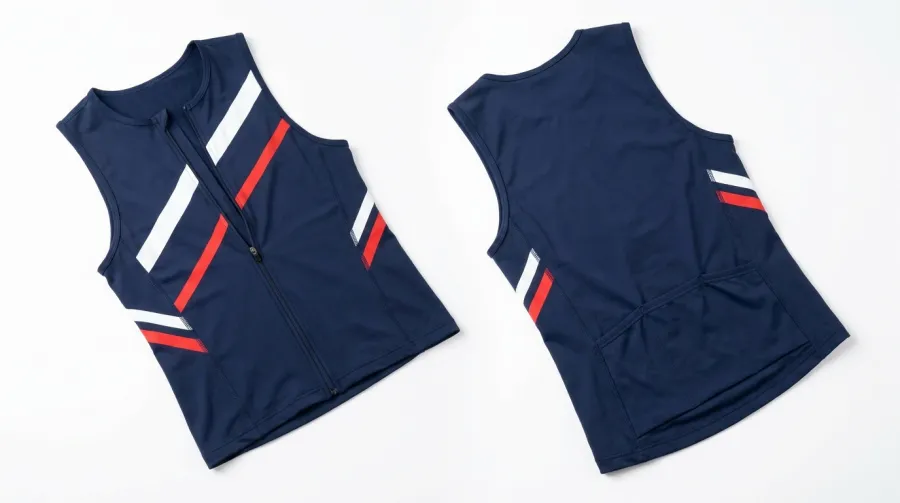
1. Castelli PR 3 Speed — Best Overall
- Price: $450
- Best for: Long-course racing, competitive age-groupers, hot conditions
- Key features: Wind tunnel-tested silicone speed ribs on sleeves, extended arm coverage for aero drag reduction, lightweight Italian fabric, 6mm chamois with gel core
Pros: Fastest suit in Castelli's lineup. The arm sleeve ribs are not marketing — they produce measurable drag reduction. Fit is aggressive and precise. Three rear pockets.
Cons: $450 is a serious investment. Sizing runs snug — order up if you're between sizes. Not ideal for cold-water swims due to open mesh areas.
2. Zone3 Aeroforce X II — Best Wind Tunnel Performer
- Price: £299 (~$375 USD)
- Best for: Sprint through 70.3, athletes who prioritize proven aero performance
- Key features: Top scorer in independent wind tunnel testing, Aeropro fabric with textured surface, flatlock seaming throughout, minimal 5mm chamois
Pros: The aero credentials are independently verified, not just claimed. Lightweight and fast-drying. Excellent shoulder mobility for the swim. Well-reviewed by 220 Triathlon and Cycling Weekly.
Cons: The minimal chamois means it's less comfortable for full Ironman bike legs. Premium UK pricing. Pocket volume is moderate.
3. Huub Pinnacle — Best Comfort and Mobility Combo
- Price: $336 (~£250)
- Best for: Long-course racing, athletes prioritizing swim efficiency and run comfort
- Key features: Arms Neutral™ system for maximal rotational freedom in the swim, extended sleeve coverage, dual-density chamois, advanced paneling for aero efficiency on the bike
Pros: The Arms Neutral system is genuinely different — the suit is cut to move with your stroke rather than resist it. Excellent scores in independent reviews for overall comfort. Premium feel throughout.
Cons: Less aggressive fit than Castelli. Style is more conservative. Some athletes find the extended sleeve unnecessary in warmer races.
4. 2XU Light Speed React — Best for Women
- Price: $300–$320 USD
- Best for: Women's long-course racing, athletes wanting elite aero performance with all-day comfort
- Key features: Women-specific chamois geometry, React compression technology, SBR fabric with aero surface, three rear pockets, full-length front zip
Pros: Sets the women's standard for combined aero performance and comfort. The women-specific chamois placement is noticeably better than unisex adapts. Subtle design that punches well above its price point.
Cons: Limited colorway options compared to competitors. The React compression can feel tight in warm conditions — size up in summer races.
5. Zoot Ltd Tri Aero FZ — Best Value Premium
- Price: $220–$260 USD
- Best for: Hot-weather racing, athletes who run hot, value-conscious buyers who don't want to compromise quality
- Key features: Mesh-like ITU-approved fabric for maximum heat dissipation, quality 6mm chamois, superb run comfort, front zip with extended coverage
Pros: Routinely praised as the most comfortable suit in warm conditions. The mesh fabric dissipates body heat at a level that more "aero" suits can't match. Price is competitive for the quality level. Wide size range.
Cons: The open fabric is slightly less aerodynamic than closed-weave suits in controlled testing. Not ideal for cold-water or autumn racing. Pockets are functional but not as deep as Castelli or Huub.
6. Orca Athlex Lite — Best Entry-Level
- Price: $140–$180 USD
- Best for: New triathletes, budget-conscious athletes, first-timers doing sprint or Olympic distance
- Key features: Smart temperature management fabric, solid chamois support, four-way stretch, flexible fit across all three disciplines
Pros: The best entry-level suit for value in 2026. Doesn't make you look or feel like a budget option. Adequate chamois for Olympic and sprint distances. Good temperature management for a suit at this price point.
Cons: Not designed for competitive long-course racing — the chamois is thin enough that Ironman athletes should look up a tier. Less durable than premium options over multiple seasons.
Size and Fit Guide
Trisuits run differently across brands, and getting this wrong turns a $400 investment into a torture device. A few rules:
- Size by chest and height first. Most brands use chest circumference as the primary measurement. If you're between sizes, size up — a too-tight suit restricts breathing and creates pressure points on the bike.
- Measure your torso length. A suit that's too short pulls uncomfortably in aero position and can pop the zipper. Check the brand's specific torso length chart.
- Leg gripper position matters. The silicone gripper should sit mid-thigh, not at the knee. If it's creeping down after the swim, the suit is too long in the legs.
- Try the aero position before you buy. If ordering online, replicate your bike fit position at home. Any bunching at the lower back or pulling at the shoulders will be amplified over 90+ miles.
- European brands (Castelli, Zone3) run narrow in the shoulders. North American and Australian athletes may want to size up one on torso-dominant builds.
Budget vs. Premium: Is It Worth It?
The $150 range (Orca Athlex Lite, entry-level 2XU) gets you a fully functional suit for sprint and Olympic racing. You will not be embarrassed on the course, and you will not suffer unduly. For athletes doing 1–2 races per year at shorter distances, this is the right tier.
At the $250–$350 range (Zoot, Huub Pinnacle, Zone3 Aeroforce), you're getting real aerodynamic and comfort engineering. These suits are appropriate for any race distance, and the chamois quality difference vs. budget suits becomes meaningful on long bike legs.
The $400+ tier (Castelli PR Speed) is where diminishing returns kick in for most age-groupers — but they don't disappear. The aero gains are real and measurable. At a competitive level or if you're targeting a Kona qualifying time, the premium suits earn their cost. If you're doing your first Ironman at a comfortable pace, they probably don't.
The honest answer: Most age-groupers will be best served in the $250–$320 range. It's where the engineering is mature, the chamois is genuinely good, and you're not paying for brand markup. The Zoot Ltd Tri Aero FZ and Zone3 Aeroforce X II represent the clearest value at this tier in 2026.
Final Thoughts
The trisuit you pick will be with you for every stroke, every pedal stroke, and every stride of your race. It's not a category to cheap out on, but it's also not one where you should blindly buy the most expensive option. The key variables — chamois quality, aero credentials, and fit — don't always correlate with price.
Buy for your distance. Size carefully. And if you've been racing in the same suit for more than four seasons, seriously consider that the technology has moved on. The 2026 field is the best it's ever been, and your race time might actually thank you for it.


