
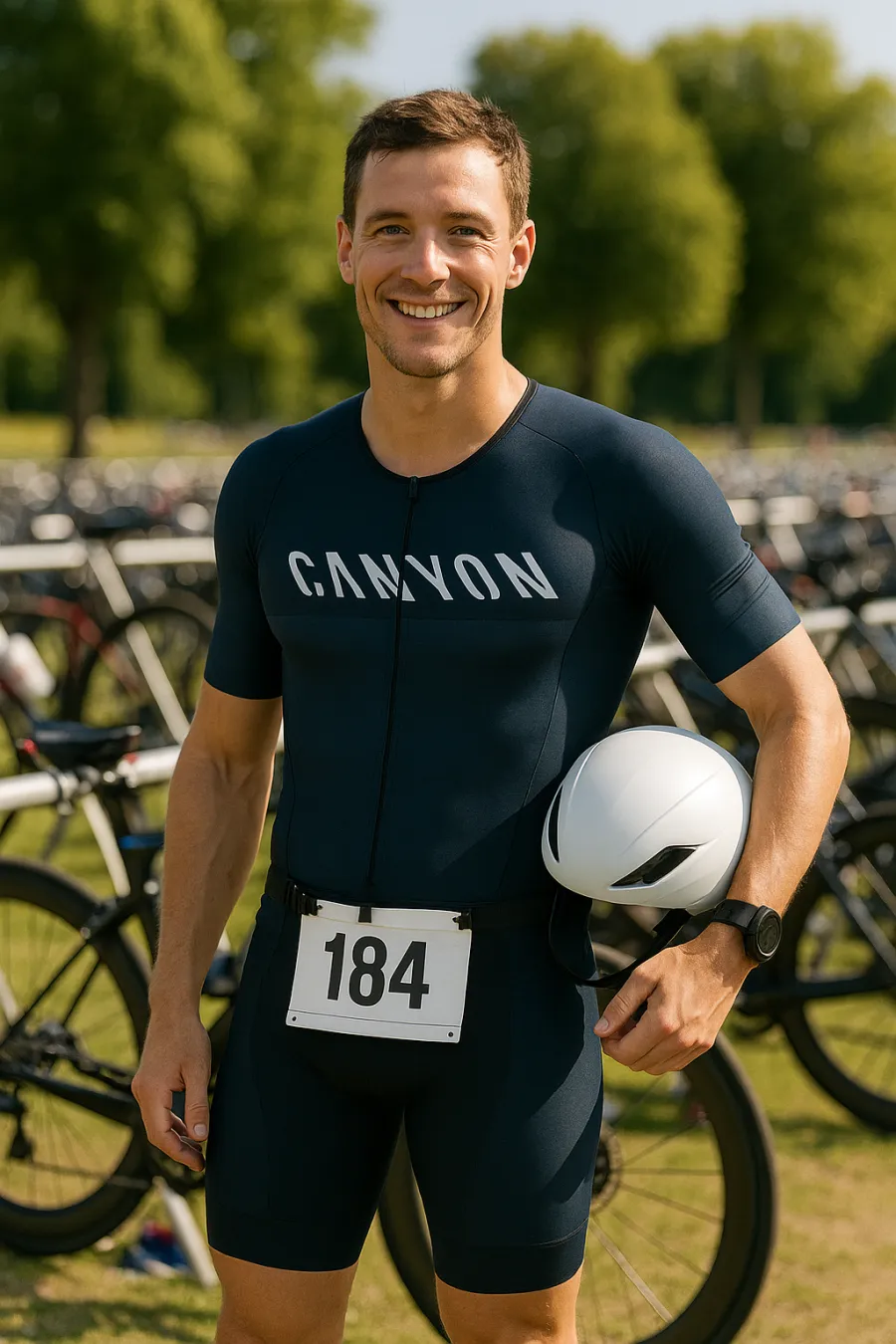
Let's be honest: the triathlon race belt is not the sexiest piece of gear you'll ever buy. It's not a $5,000 carbon frame or a set of aero wheels that makes you feel like you've been initiated into a secret club. It's a glorified elastic strip that holds a piece of laminated paper to your body. And yet — if you're still using safety pins to attach your race number to your tri suit, you are wasting time in transition and you are destroying expensive fabric one race at a time.
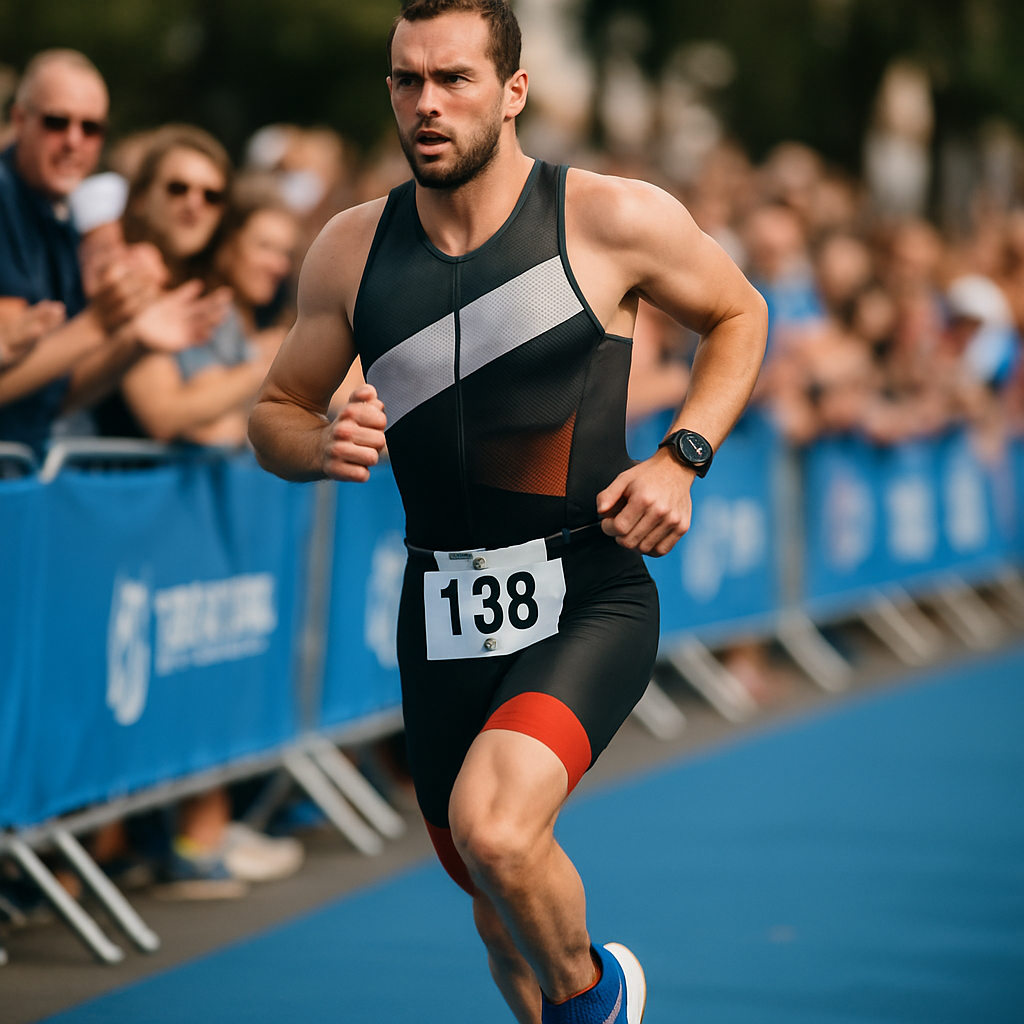
The race belt is a $15–$40 investment that pays dividends at every single race for the rest of your triathlon career. You clip it on in T1 with the bib facing back for the bike. You spin it to the front in T2 for the run. Done. No fumbling. No pinholes in your $180 tri top. No accidentally pinning your suit to your skin at 5:30 AM in a dark transition area.
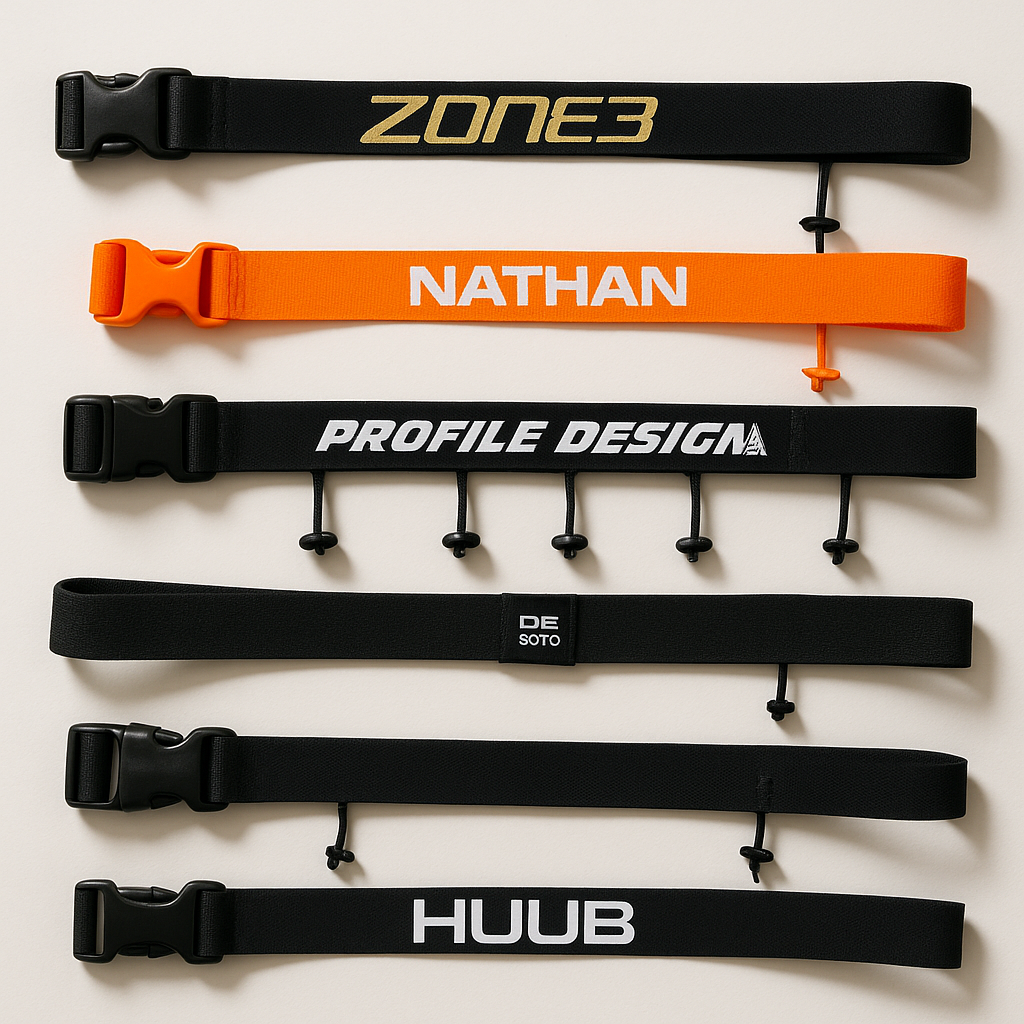
We reviewed the field for 2026 and these are the five best triathlon race belts you can buy right now.
What to Look for in a Triathlon Race Belt
Before we get into the rankings, here's what actually matters when choosing a race belt — because not all elastic waistbands are created equal:
- Bib attachment system: Toggles, clips, or cords — all work, but toggles are generally the most secure under a wetsuit.
- Gel loops: If you're racing anything over a sprint, gel loops are a genuine fueling advantage. Six loops is the sweet spot for a 70.3 or full Ironman.
- Fit and comfort: It should stay put without bouncing. If it's migrating up your ribcage by mile 8, it's not the right belt.
- Wetsuit compatibility: For open water starts, you need a belt that stays flat and doesn't bulk under a wetsuit in T1.
- Weight: It's a race belt. It should weigh nothing. If it weighs something, that's a red flag.
The 5 Best Triathlon Race Belts for 2026
1. Zone3 Elastic Race Belt — Best Overall
Price: ~$25 | Gel Loops: 3 | Weight: 28g
Zone3 makes some of the best triathlon-specific gear on the market, and their race belt is no exception. The 2026 version uses a premium nylon elastic fabric that provides more grip than standard belts — meaning gels stay put even when you're hammering down a descent. The toggle system for bib attachment is the gold standard: secure, low-profile, and completely compatible with wearing under a wetsuit without the risk of losing your race number in T1.
The Zone3 belt comes in both a standard elastic version and a Lycra pouch version (slightly more storage) and a Neoprene pouch version for athletes who want to stash their phone or salt tabs. The standard elastic version is the one most triathletes should buy — it does exactly what a race belt should do, and it does it flawlessly.
Pros: Exceptional grip on gel loops, toggle system works perfectly under a wetsuit, durable construction, available in multiple configurations.
Cons: Only three gel loops on the standard model — if you need more, upgrade to the pouch version.
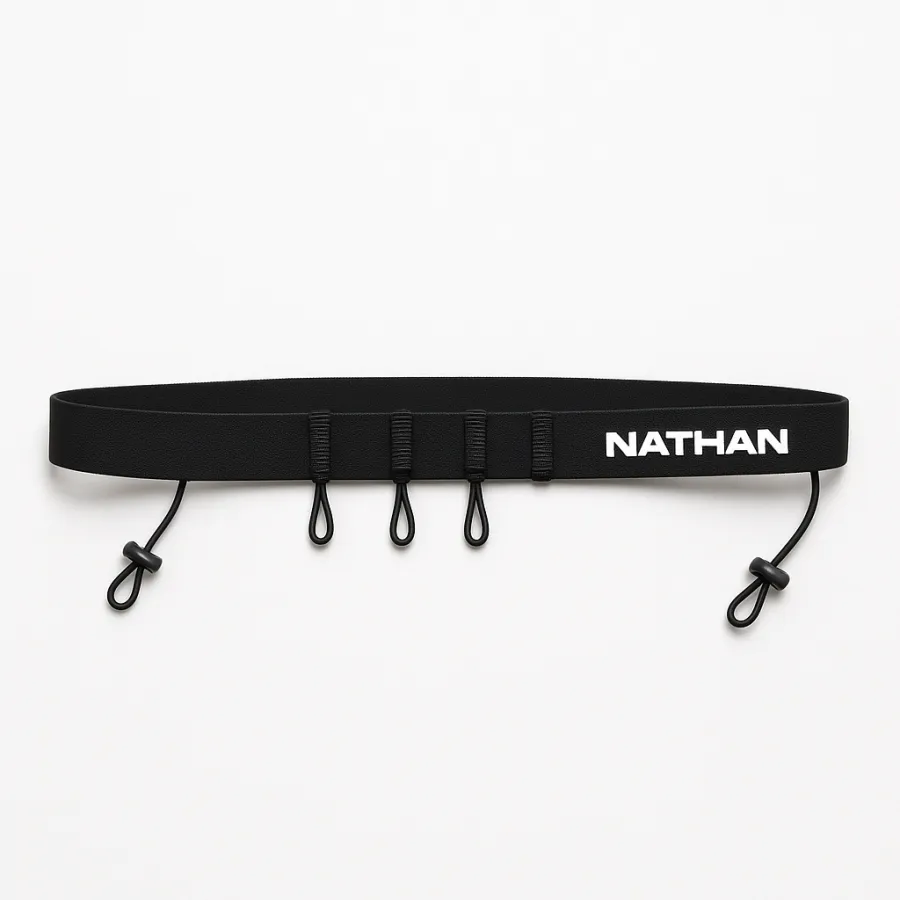
2. Nathan Race Number Nutrition Waistbelt — Best for Minimalists
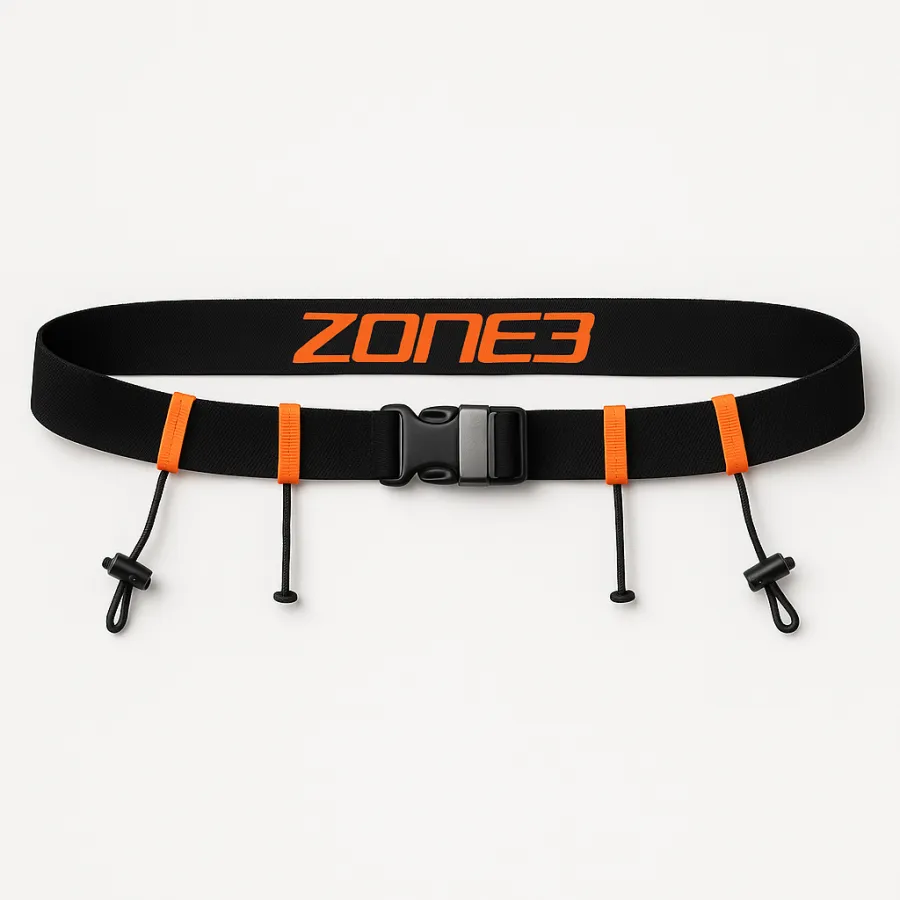
Price: ~$20 | Gel Loops: 3 | Weight: 22g
Nathan has been making running and triathlon accessories for decades, and their race number belt is the definition of reliable simplicity. It's light, it's clean, and it works. Three elastic gel loops, a simple cord-and-toggle bib attachment, and enough adjustability to fit waist sizes from 24" to 40". If you want a race belt that gets out of your way and lets you race, this is it.
The one knock on the Nathan belt is that the gel loops can occasionally let gels slide if you're running aggressively. It's not a dealbreaker — it's a belt, not a gel vault — but if you carry five gels and the thought of losing one at mile 18 makes your eye twitch, you might want to look at the Zone3 or Profile Design instead.
Pros: Ultralight, affordable, easy to use, good adjustability range.
Cons: Gel loops aren't as grippy as Zone3, occasional gel slippage reported by some users.
3. Profile Design Gel Race Belt — Best for Ironman Distance
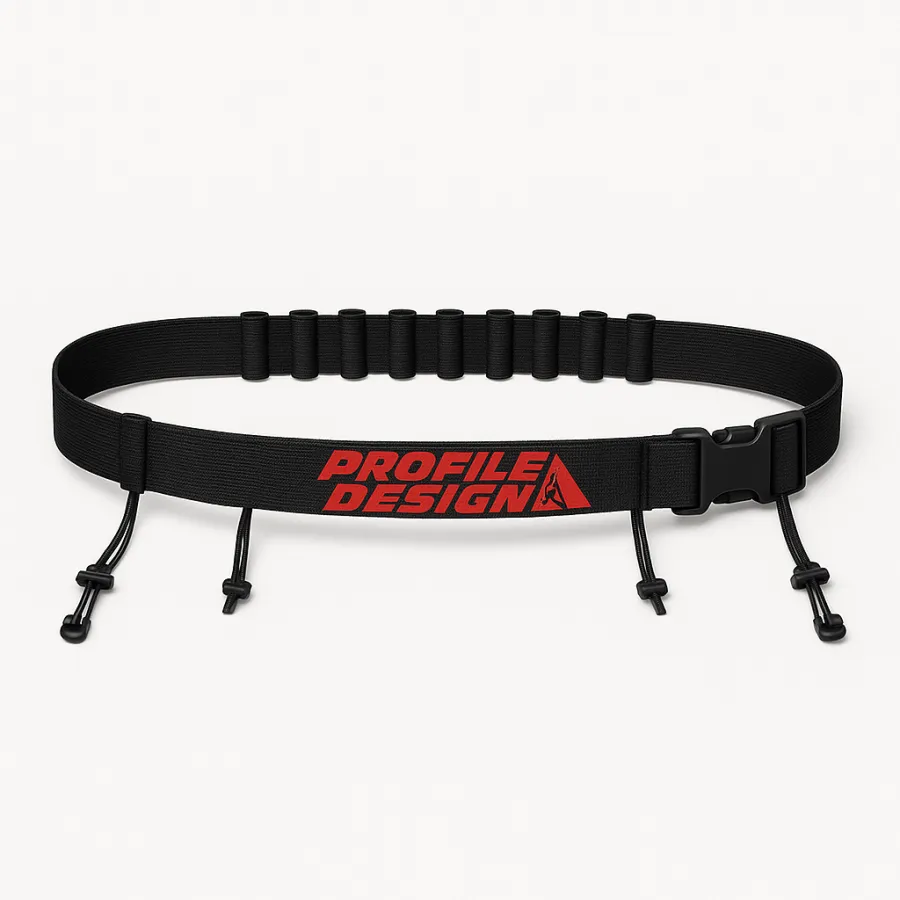
Price: ~$22 | Gel Loops: 12 | Weight: 35g
Twelve gel loops. Twelve. If you're doing an Ironman and you carry a nutrition strategy that would make a sports dietitian proud, the Profile Design Gel Race Belt is your weapon of choice. Most athletes will never fill all twelve loops, but for those racing 140.6 miles in hot conditions with a complex nutrition plan, having the carrying capacity is genuinely useful.
The Profile Design belt uses spring-loaded plastic locks to hold the bib in place — a different approach from the toggle systems used by Zone3 and Nathan, but equally effective once you get used to it. The reflective tabs add a nice safety bonus for early morning or evening races. The only penalty for all those gel loops is a slight weight increase over the minimalist belts — but at 35 grams, we're still talking about a belt that weighs less than a single energy gel.
Pros: Twelve gel loops for maximum nutrition carrying, reflective tabs, spring-loaded bib locks are secure.
Cons: Slightly heavier than minimalist options, bib lock system has a small learning curve.
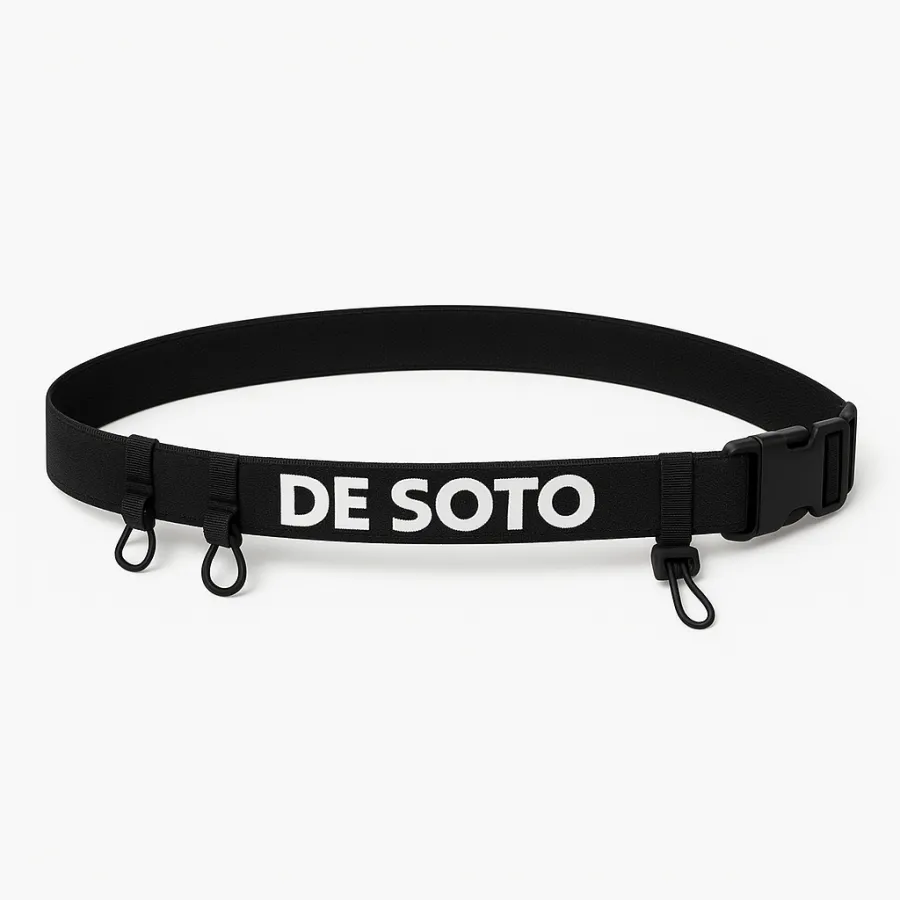
4. De Soto Racebelt 2 — Best for Fit Versatility
Price: ~$30 | Gel Loops: 4 | Weight: 30g
The De Soto Racebelt 2 is the belt for athletes who have had trouble finding race belts that fit comfortably. It's 1.25 inches wide (narrower than most), made from a soft, stretchy material that doesn't dig in, and adjustable enough to fit an enormous range of body types. The headline feature is De Soto's "locking mini-clipboard" bib attachment system — no snaps, no buttons, no cord locks that can come undone at the worst possible moment.
The Racebelt 2 also has small loops near the buckle that work as impromptu storage for gels or sunglasses — a thoughtful design touch. It's worn comfortably under a wetsuit and the number swings smoothly from back to front in transition. If you've bounced through three or four belts looking for something that actually stays put without chafing, the De Soto is worth the extra $10.
Pros: Excellent fit for a wide range of body types, non-binding construction, innovative bib attachment system, wetsuit friendly.
Cons: More expensive than basic options, fewer gel loops than dedicated nutrition belts.
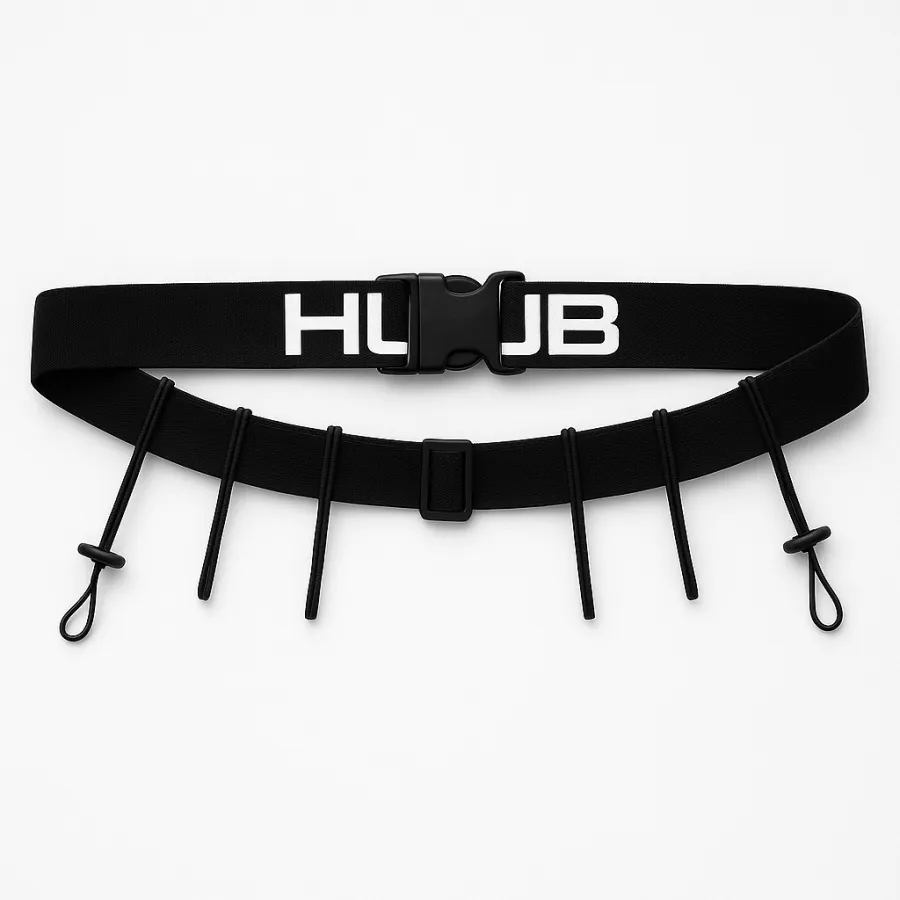
5. HUUB Gel Loop Race Belt — Best for Endurance Nutrition
Price: ~$18 | Gel Loops: 6 | Weight: 25g
HUUB has built a strong reputation in the triathlon community for high-quality, athlete-focused gear — and their race belt punches well above its price point. Six gel loops with solid grip, an adjustable elastic cord that snaps into a quick-release buckle, and simple but effective bib toggles. For athletes racing 70.3 or full Ironman distances who want ample gel storage without upgrading to the Profile Design's twelve-loop setup, the HUUB hits the sweet spot.
It's the kind of belt that competent age-groupers use — functional, unobtrusive, and priced at a point where you don't feel bad putting it through 50 races. Not as premium as the Zone3, not as specialized as the Profile Design, but genuinely excellent at the core job description.
Pros: Six gel loops, excellent price-to-performance ratio, lightweight, solid quick-release buckle.
Cons: Less refined finishing than Zone3, bib toggle system isn't quite as secure under a wetsuit.
The Bottom Line: Which Race Belt Should You Buy?
If you want the best overall race belt in 2026, buy the Zone3 Elastic Race Belt. It's purpose-built for triathlon, the toggle system is the most reliable for wetsuit swims, and the nylon grip on the gel loops is genuinely better than the competition. End of recommendation for 90% of athletes reading this.
If you're doing Ironman distances and carry a serious nutrition load, upgrade to the Profile Design Gel Race Belt for the twelve gel loops — it's worth the marginal extra weight. If fit has always been an issue for you, try the De Soto Racebelt 2 — the non-binding construction and wide adjustability might solve a problem you've been tolerating for years.
Stop pinning your race number to your kit. A race belt costs less than a single entry fee and lasts a decade. There is no reason not to have one.
The time you save in T1 and T2 is real. The pinholes you stop putting in your expensive gear are real. And the mental clarity of having one less thing to fumble with on race morning — at 5 AM, in the dark, with 2,000 other athletes crowded around the same transition racks — is worth more than any performance gear you'll ever buy.
Now go train. And when you get to the race, spin that belt to the front and run like you mean it.


