
Somewhere between your third zone 2 ride and your fourteenth scroll through training app reviews, you've probably asked yourself the question: do these AI training platforms actually work? Or is this just Silicon Valley discovering triathletes have disposable income and a deep psychological need to feel optimized?
Fair question. And one worth answering properly — because the difference between a well-periodized AI-adapted plan and a glorified template-on-autopilot could be the difference between a new PB and a DNS from overtraining. Let's dig in.
We're looking at three of the biggest names in AI-powered triathlon training as of 2026: Athletica, TriDot, and AI Endurance. Each claims to personalize your training using data. Each charges a monthly subscription. Each has passionate advocates on forums. And each has a story worth examining before you hand over your credit card number.
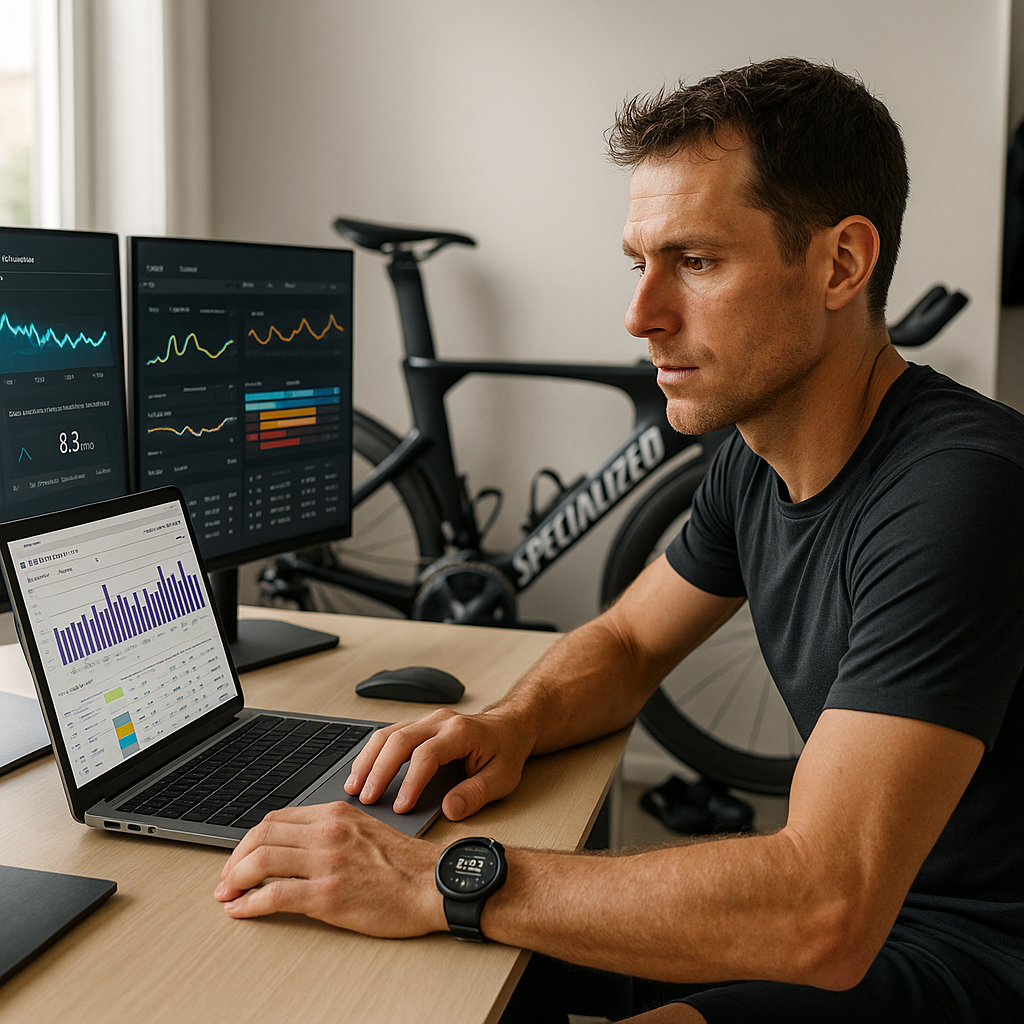
What We Mean by "AI Training" (And What the Marketing Gets Wrong)
Before we get platform-specific, let's clear the air on terminology. When a training app says "AI-powered," it can mean wildly different things:
- True adaptive training: The system reads your recent workout data — HRV, power output, pace, sleep quality — and adjusts future sessions accordingly in near real-time.
- Algorithmic personalization: A rule-based system that adjusts load based on simple inputs like hours per week and race date. Smart, but not AI in the ChatGPT sense.
- AI branding: A static plan generator with a modern UI and a press release that uses the word "machine learning" three times. Not that we're naming names.
The best platforms in 2026 are genuinely adaptive. The others are doing their best impression of adaptive. Knowing the difference costs you nothing but a few minutes of reading. We did the reading.
"Your body doesn't follow a calendar. A good training platform shouldn't either." — The implicit promise of every AI training app, whether they deliver or not.
Athletica: The Science Nerd's Platform
Athletica was built by endurance sports scientists — specifically Dr. Paul Laursen and Dr. Phil Skiba, two researchers with serious credentials in high-intensity interval training and physiological modeling. That lineage matters, because Athletica's approach is deeply rooted in polarized training methodology and the science of training stress.
The platform integrates with Garmin, Wahoo, Apple Watch, and most major wearables. It reads your completed workouts, assesses your training load, and redistributes future sessions based on recovery status. If you crushed a hard long run and your HRV tanked overnight, Athletica will soften the next day's session. If you're bouncing back faster than expected, it'll push harder.
What's genuinely impressive: Athletica's handling of training load distribution across disciplines is sophisticated. Triathlon is unique in that three sports compete for the same recovery budget — Athletica actually models this across swim, bike, and run simultaneously rather than treating each discipline as an isolated entity.
What's frustrating: The interface is utilitarian at best. If you're used to the slick UX of TrainingPeaks or even Garmin Connect, Athletica can feel like you're filing a tax return. The platform is clearly built by scientists who care more about your VO2 max than your onboarding experience — which is either a feature or a bug depending on your personality.
Pricing (2026): ~$19–$24/month depending on plan tier. Competitive for what you get.
Best for: Data-driven athletes who want legitimate science behind their training and can tolerate a learning curve on the UX side.
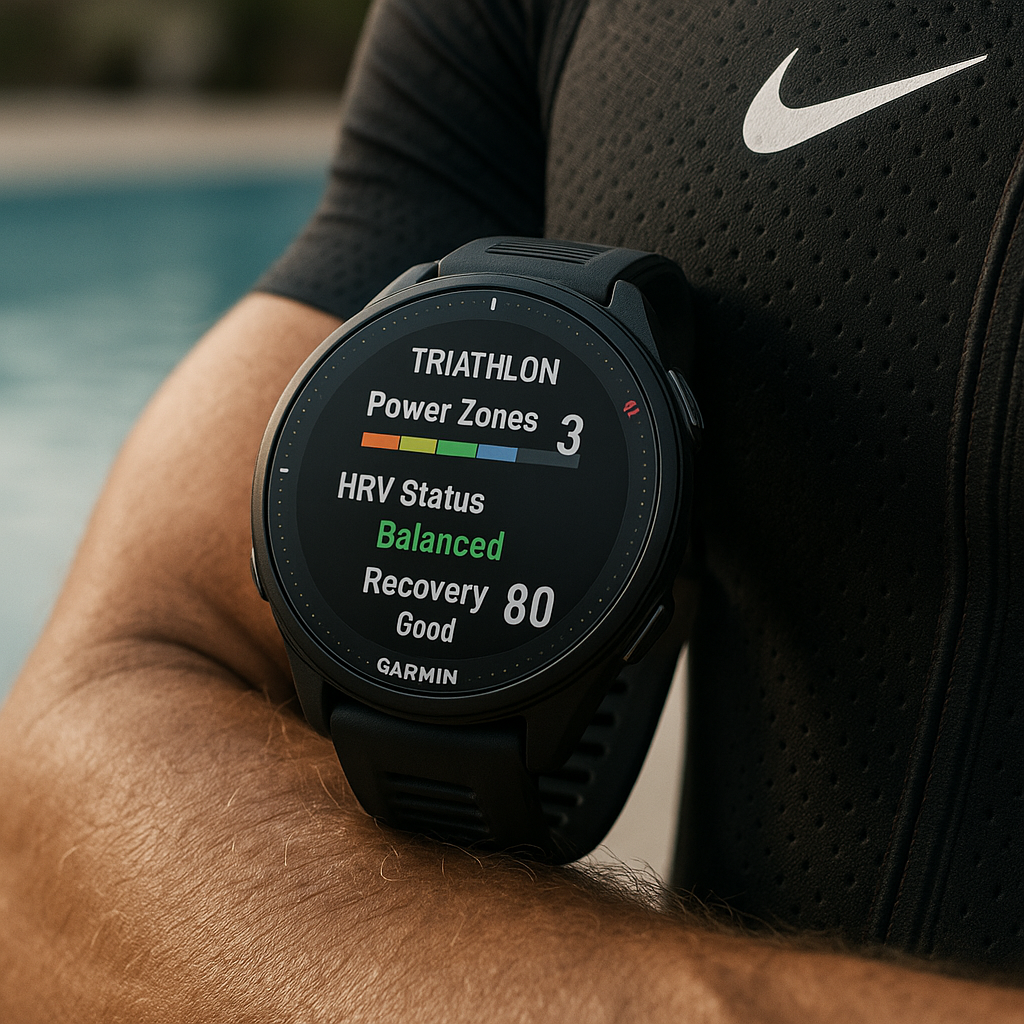
TriDot: The Most Polished Machine in the Room
If Athletica is the professor, TriDot is the MBA student who turned the professor's research into a product. TriDot has been refining its AI engine since 2011 — longer than most of its competitors have existed — and the result is a platform that feels complete, well-supported, and unapologetically data-hungry.
The core of TriDot is its FitLogic™ intelligence engine, which factors in variables that most platforms ignore: genetics (via optional Physiogenomix™ testing), environment (temperature, humidity, elevation via EnviroNorm®), and training stress in a way that accounts for intensity distribution, not just total load. This is the stuff that separates serious sports science from fancy dashboards.
TriDot also assigns a proprietary metric — Normalized Training Stress™ (NTS™) — that attempts to be triathlon's most comprehensive quantification of physiological stress. The methodology behind it is transparent and well-documented. Whether every athlete needs this level of precision is a separate question, but the option is there.
What's genuinely impressive: TriDot's community and coaching infrastructure. Unlike Athletica, TriDot has a robust network of certified coaches who train within the platform. If you want to blend AI with human oversight, TriDot makes that seamless. For age groupers who want a coach but can't afford full-time bespoke coaching, this is a compelling middle ground.
What's frustrating: The pricing. TriDot runs ~$30–$40/month for the full suite, and while the value proposition is real, it's a harder sell for athletes on a tighter budget. The genetic testing add-on (Physiogenomix™) costs extra and is, frankly, overkill for most age groupers.
Pricing (2026): ~$30–$40/month. Coach-connected plans run higher.
Best for: Serious age groupers and long-course athletes who want the most comprehensive system available and are happy to pay for it. Also excellent for athletes who want AI training with a human coach in the loop.
AI Endurance: The Underdog Worth Watching
AI Endurance is the newest entrant in this space and, in some ways, the most interesting story. Built by a smaller team and priced more aggressively, AI Endurance targets athletes who want adaptive training without the premium price tag of TriDot or the learning curve of Athletica.
The platform connects to Garmin, Strava, and TrainingPeaks, reads your completed workouts, and adapts future sessions using a rule-based AI model trained on endurance athlete data. The workouts themselves are well-structured — the platform clearly has knowledgeable coaches behind the programming — and the adaptation logic is faster than most competitors at responding to missed or modified sessions.
What's genuinely impressive: Speed of adaptation. AI Endurance re-optimizes your week within hours of a completed (or missed) session. Athletes on forums like Slowtwitch frequently note that it "feels" more responsive than TriDot when life gets in the way — sick days, travel, a work project that blows up your Tuesday run. That kind of flexibility matters in the real world, where most of us are not professional athletes who can protect training blocks like they're made of gold.
What's frustrating: The platform lacks the scientific transparency of Athletica and TriDot. When the algorithm makes a decision, AI Endurance doesn't always tell you why. For athletes who want to understand the reasoning — not just follow the instructions — this opacity is a genuine drawback. You're trusting the machine, and the machine isn't showing its work.
Pricing (2026): ~$14–$19/month. The most affordable of the three.
Best for: Budget-conscious athletes who want adaptive training without premium pricing. Also good for athletes with unpredictable schedules who need a platform that handles deviation gracefully.
The Real Question: Do They Actually Make You Faster?
Here's the inconvenient truth that no marketing team wants to put in their landing page copy: all three platforms will make you faster than no plan at all. But none of them have produced peer-reviewed evidence that AI-adapted training produces better outcomes than a well-designed static plan executed consistently.
What they do demonstrably offer:
- Reduced overtraining risk. Systems that read HRV and recovery data and pull back load before you dig yourself into a hole are genuinely valuable — especially for self-coached athletes who tend to go harder when they should go easier.
- Better compliance. A plan that adjusts to your life is a plan you'll actually follow. Consistency beats optimization every time. If AI adaptation keeps you on the plan when real life tries to derail you, that's a real ROI.
- Discipline balance for triathlon specifically. This is where AI platforms genuinely outperform generic coaching: managing three sports' training loads simultaneously without creating imbalance is hard, and the better platforms do it well.
What they don't replace:
- A great human coach who knows you, can read your mood, and can have the conversation that no algorithm can have.
- Your own self-awareness. Data is only as good as your interpretation of it. If your HRV says you're fine but you feel like death, trust yourself.
- The willingness to do the work. The most sophisticated training AI in the world can't replace the decision to show up at 5 AM when it's raining and you'd rather stay in bed.
"The algorithm can optimize your load. It cannot manufacture your will."
The Verdict: Which Platform Should You Choose?
Stop looking for a single winner. The right platform depends on who you are:
- Choose Athletica if you're a science-oriented athlete who wants research-backed methodology, can handle a functional-but-not-pretty UI, and is training for long-course events where nuanced load management matters most.
- Choose TriDot if you want the most comprehensive system, are willing to pay for it, and value the option to work with a certified coach within the same ecosystem. Best for serious age groupers targeting a podium or Kona qualification.
- Choose AI Endurance if you want responsive adaptive training at a lower price point and have a life that doesn't always cooperate with your training schedule. Best for busy athletes who need flexibility without sacrificing structure.
And if you're still on the fence? Here's a thought experiment: if a platform costs you $20/month and helps you get to the start line healthy for one race you would have missed due to overtraining, it's paid for itself. These platforms aren't magic. But used correctly, they're a genuine upgrade over guessing.
Now close the browser, put on your shoes, and go train. The algorithm can't do that part for you.


