
Let's talk about the part of triathlon that nobody romanticises but everyone gets wrong: nutrition. You can train for months, nail your swim, shave your legs for aerodynamics, and spend $12,000 on a carbon bike — and then blow up on the run because you chose the wrong gel. Or the right gel but in the wrong quantity. Or the right gel, the right quantity, but you forgot to take it with water and now you're dry-swallowing a wall of maltodextrin paste at kilometre 24.
Energy gels are one of the most important — and most underestimated — pieces of triathlon equipment. They're not all the same. The difference between a gel that sits in your stomach like a brick and one that absorbs cleanly and keeps you moving can be 10 minutes on a 70.3 course. That's not hyperbole. That's physiology.
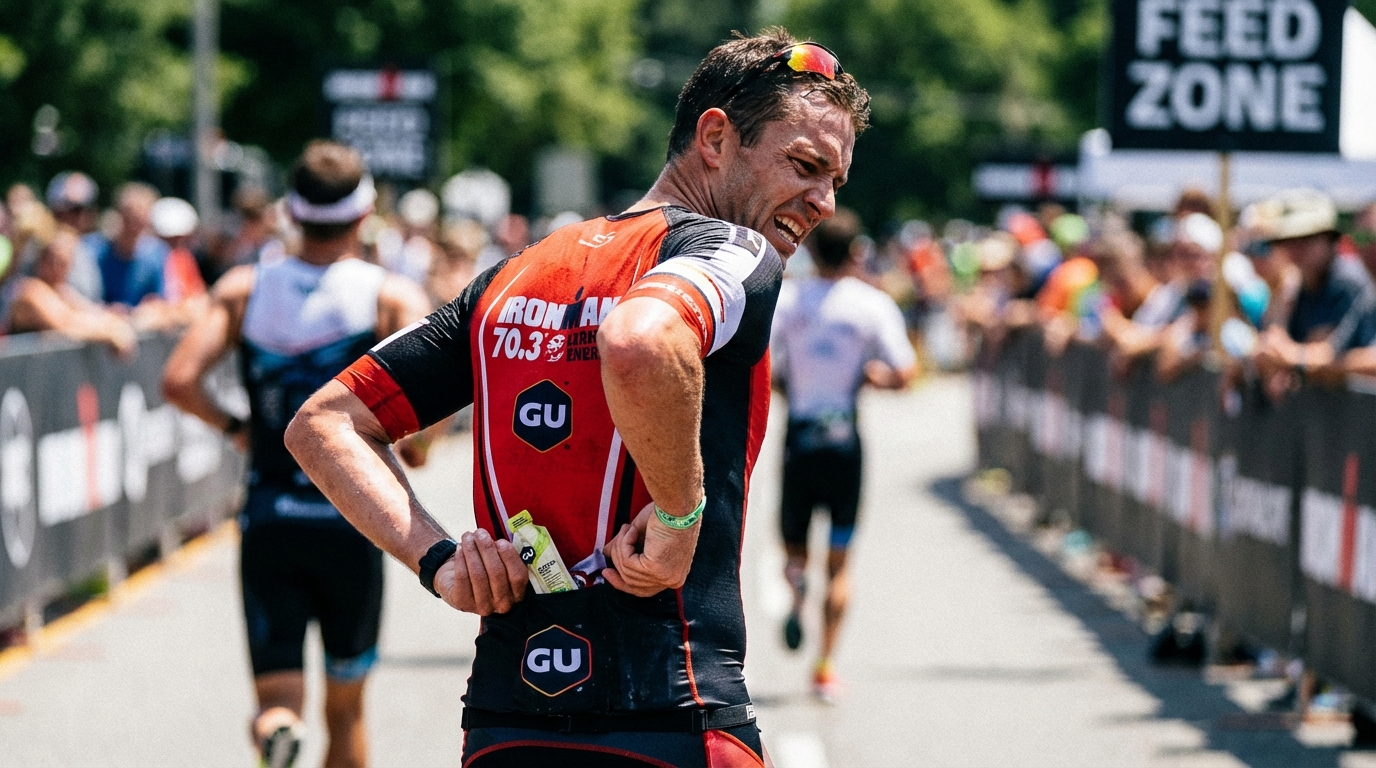
The Science, Briefly (We Promise Not to Get Too Nerdy)
Your body can absorb roughly 60–90g of carbohydrates per hour during intense exercise — but only if you're using multiple carbohydrate transporters. Glucose and fructose use different pathways in the gut, which is why modern high-performance gels use a 2:1 or 1:0.8 maltodextrin-to-fructose ratio. This dual-source approach lets you absorb more carbs without the GI distress that used to derail a quarter of the field at Kona.
What you're looking for in a gel:
- Carbohydrate content: 22–40g per gel is the range. Higher isn't always better — it depends on your fueling cadence.
- Electrolytes: Especially sodium. Longer races in heat demand gels with meaningful sodium content.
- Texture and ease of consumption: You're moving fast. If you need to wrestle the packet open, it's a problem.
- Digestibility: Test in training. Whatever wrecks your stomach in a brick workout will annihilate you on race day.
- Caffeine: Great tool, poor crutch. Use strategically — typically in the back half of a race.
With that, here are the six best nutrition gels for triathletes in 2026.
1. GU Roctane Ultra Endurance Energy Gel — The Veteran That Still Delivers
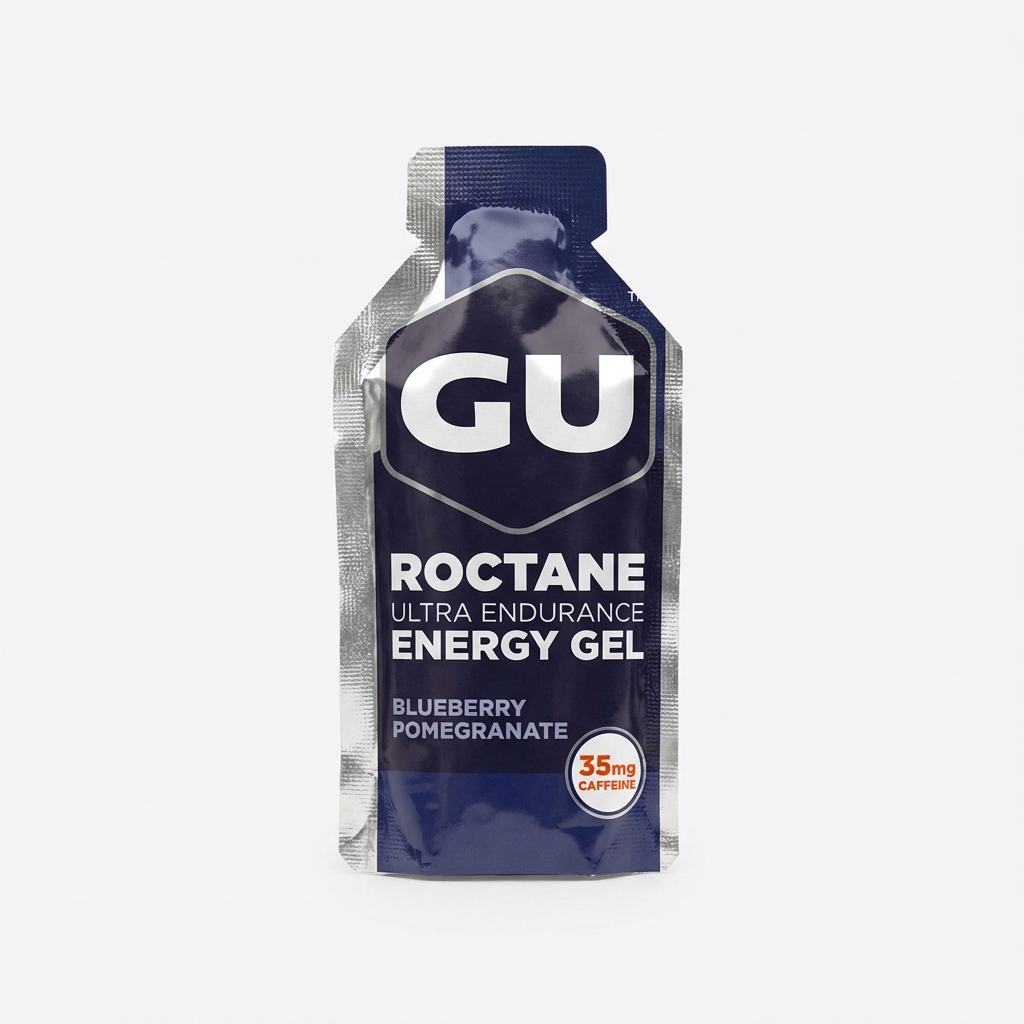
Price: ~$2.50/gel | Carbs: 21–23g | Caffeine: 35mg (most flavors) | Sodium: 125–190mg
GU has been in your pocket since before you knew what a brick workout was, and the Roctane line remains one of the most trusted gels in long-course triathlon for good reason. While the standard GU gel is a solid workhorse, Roctane is the endurance-specific version — and the differences are meaningful.
Roctane packs significantly more sodium (up to 190mg vs. 50–60mg in standard GU), a full amino acid complex including BCAAs, taurine, beta-alanine, and OKG — compounds that help buffer lactic acid, reduce muscle damage, and support cardiac output during multi-hour efforts. The Blueberry Pomegranate flavour is legendary in the community for a reason: it's one of the few gels that doesn't taste like you're eating a lab.
The texture is thick — thicker than most modern gels — so you absolutely need water with it. Don't be the athlete who skips the aid station and then spends 800m hacking at a glob of maltodextrin. You know who you are.
Best for: Athletes who want a proven, amino-acid-loaded gel for efforts over 90 minutes. Especially good in cooler conditions where thicker texture is less of an issue.
Pros: Trusted formula, high sodium, amino acid support, wide flavour range, widely available at race expos.
Cons: Thick texture requires water. Lower carb count (21–23g) means more frequent dosing for high-carb strategies.
2. Maurten Gel 100 — The Hydrogel That Changed the Game
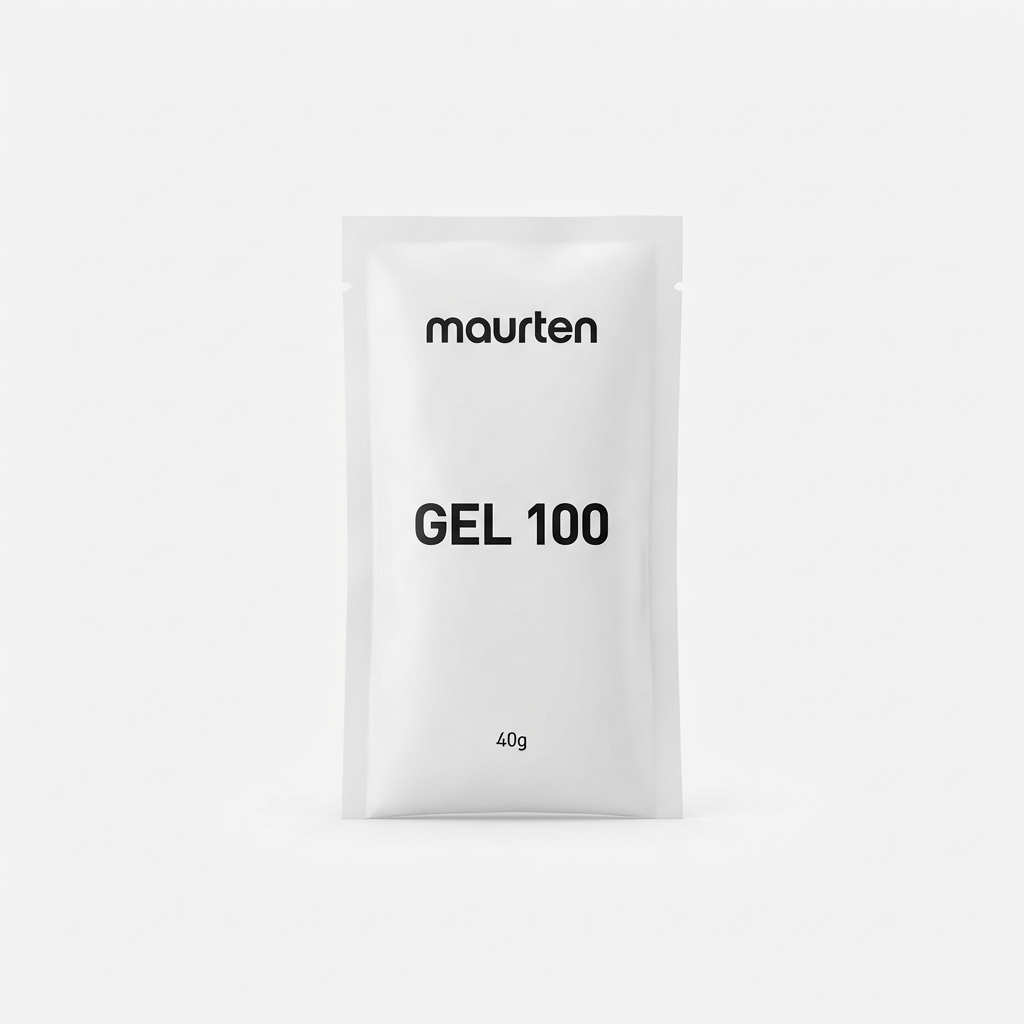
Price: ~$3.50/gel | Carbs: 25g | Caffeine: 0mg (100 Caf 100 = 100mg) | Sodium: 20mg
If you've been anywhere near the Ironman start corral in the last few years, you've heard the Maurten hype. It's real — but let's be precise about what it actually is. Maurten's patented Hydrogel Technology uses sodium alginate and calcium carbonate to form a gel-like matrix in the stomach, which the company claims enables high carbohydrate delivery with dramatically reduced GI distress. Independent research and a whole lot of Kona finishers back this up.
The texture is genuinely unlike anything else: firmer, almost jelly-like, not syrupy. The flavour is neutral to the point of being almost flavourless — which sounds like a flaw and is actually a superpower when you're on hour 9 of an Ironman and the thought of another strawberry-glucose slurry makes your stomach turn. Maurten is the gel you can take at mile 20 of the run without wanting to quit the sport.
The low sodium content (20mg) is the real catch — you'll need to get your electrolytes from somewhere else, whether that's an on-course drink or electrolyte tabs. The Gel 100 Caf 100 variant adds 100mg of caffeine and is widely used as the back-half-of-race weapon.
It's served at major Ironman events for a reason. This isn't marketing — it's logistics. Race organisers wouldn't stock a product that was wrecking athletes.
Best for: Athletes with GI-sensitive stomachs, long-course racing (70.3 and full Ironman), anyone who wants the science-backed premium option.
Pros: Outstanding digestibility, unique hydrogel tech, clean ingredient list (6 ingredients), neutral flavour prevents race-day flavour fatigue, widely available on Ironman courses.
Cons: Expensive (~$3.50/gel), low sodium means you need supplemental electrolytes, 25g carbs is on the lower end.
3. SIS Beta Fuel Gel — The High-Carb Powerhouse From the Lab
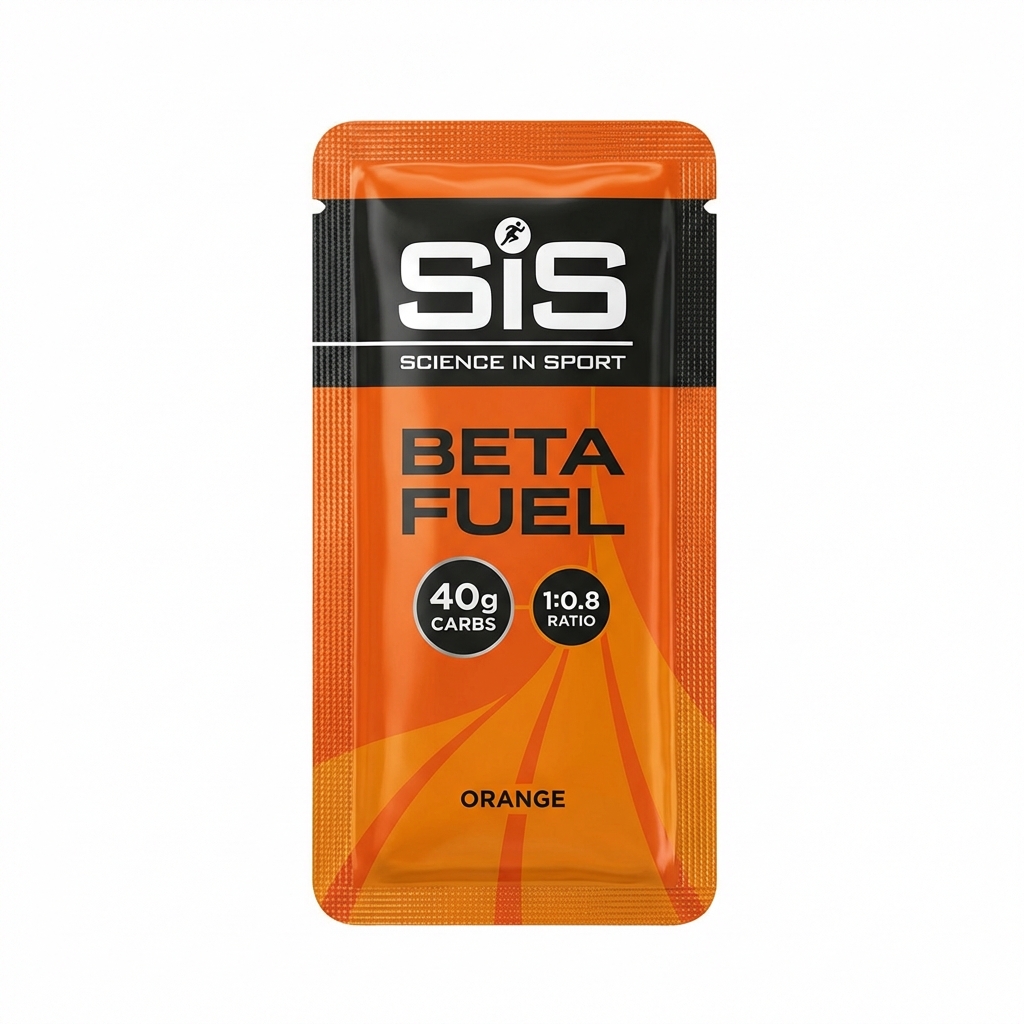
Price: ~$3.99/gel | Carbs: 40g | Caffeine: 200mg (Nootropics variant) | Sodium: 30mg (200mg in Electrolyte variant)
When Science in Sport redesigned Beta Fuel around its 1:0.8 maltodextrin-to-fructose ratio, they weren't messing around. Third-party research showed a 17% improvement in exogenous carbohydrate oxidation and a 3% increase in power output compared to the old 2:1 formula. That's not marketing copy — that's published data. The 220 Triathlon team named it the best energy gel overall in their January 2026 review, and it's hard to argue.
40 grams of carbohydrate per gel is the headline stat. To put that in context: most gels give you 22–25g. With Beta Fuel you can hit 80g/hr of carbs with just two gels. That simplifies your fueling plan considerably, especially in races where pocket space and on-the-fly counting are both limited.
The texture is smooth and liquidy — much easier to take without water than GU Roctane. Flavours are pleasant and mild. The standard version is low on sodium, so pair it with an electrolyte drink or grab the Beta Fuel + Electrolyte variant (200mg sodium) if you're racing in heat. The Nootropics variant adds 200mg caffeine and cognitive enhancers — a niche product, but some athletes swear by it for the last hour of a full Ironman.
Fair warning: SIS raised prices 20–40% in early 2026. The value proposition has thinned. But if you're already buying quality gels, this is still one of the best per-carb options on the market.
Best for: High-carb fueling strategies, athletes who want fewer gels to carry, long-course racing (90+ minutes).
Pros: Highest carb count (40g), science-backed 1:0.8 ratio, smooth easy-drinking texture, Informed Sport certified, multiple variants available.
Cons: Price increase in 2026 hurts value, standard gel low on sodium, some athletes need gut adaptation for high-carb gels.
4. Precision Fuel & Hydration PF 30 — The No-Drama Gel
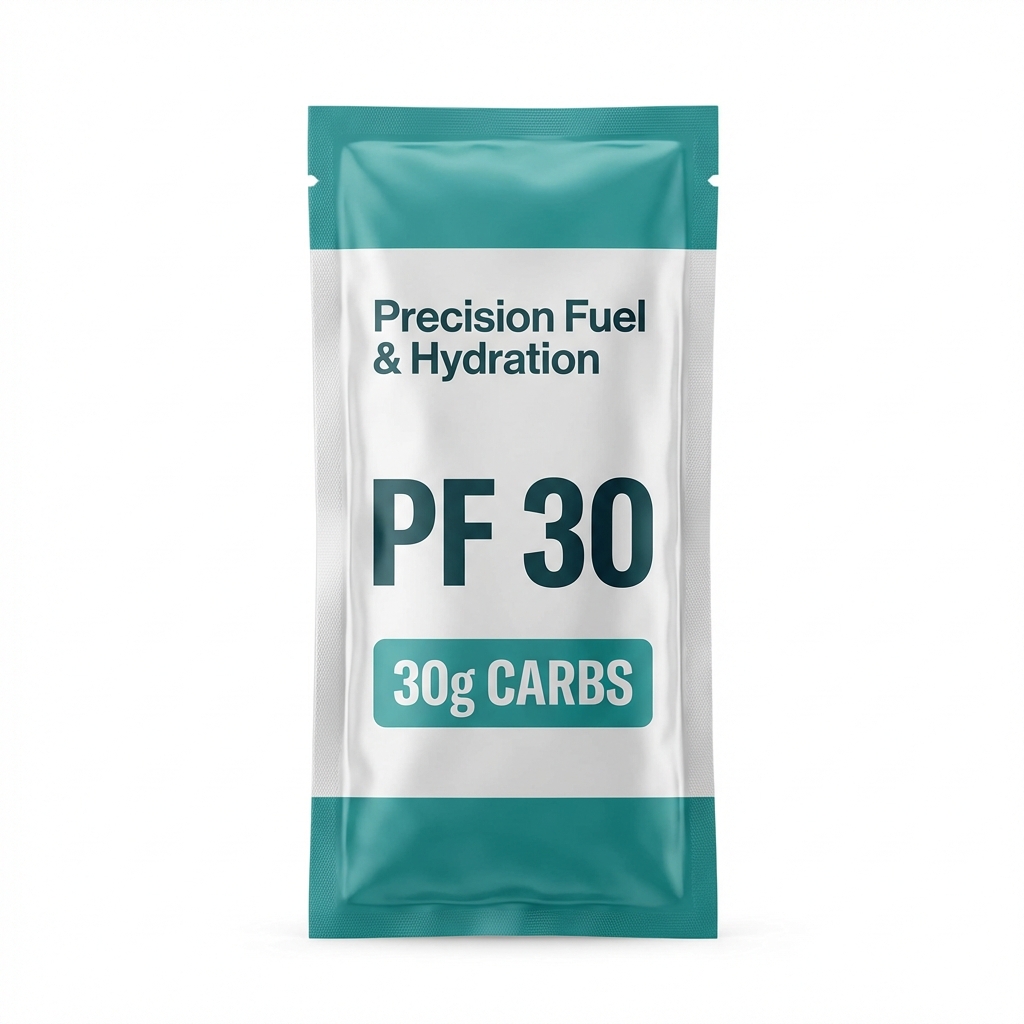
Price: ~$3.00–$4.00/gel | Carbs: 30g | Caffeine: 0mg (100mg in Caffeine variant) | Sodium: 0mg
Precision Fuel and Hydration built their reputation on hydration science — the same methodology that tells you exactly how much sodium you lose per hour based on your sweat profile. Their PF 30 gel extends that philosophy to solid fueling: precise, no-fuss, built to pair with their hydration system.
The PF 30 uses a 2:1 glucose-to-fructose ratio delivering 30g of carbs per 51g packet (120 calories). The texture is smooth and non-sticky, goes down easily without water, and — crucially — it tastes like almost nothing. That's intentional. Flavour fatigue is a genuine problem in ultra-distance racing, and the PF 30's near-neutral flavour means it's the same experience on gel 1 and gel 12.
The zero sodium content is by design — PH's philosophy is that you manage electrolytes through their drink products and electrolyte capsules, not through your gels. This works beautifully as a system, but if you're just buying gels à la carte without the rest of their ecosystem, remember to get sodium from somewhere else.
Informed Sport certified. Vegan. And a caffeinated variant with 100mg of caffeine available for when you need the nudge.
Best for: Athletes already using the Precision Hydration system, anyone who hates over-sweet gels, long-course fueling where flavour fatigue is a real concern.
Pros: Neutral flavour, smooth texture, 30g carbs, Informed Sport certified, consistent and reliable, great system integration with PH products.
Cons: Zero sodium — requires external electrolyte management. Not cheap at retail price per gel.
5. Hüma Chia Energy Gel — The Real Food Alternative That Actually Works
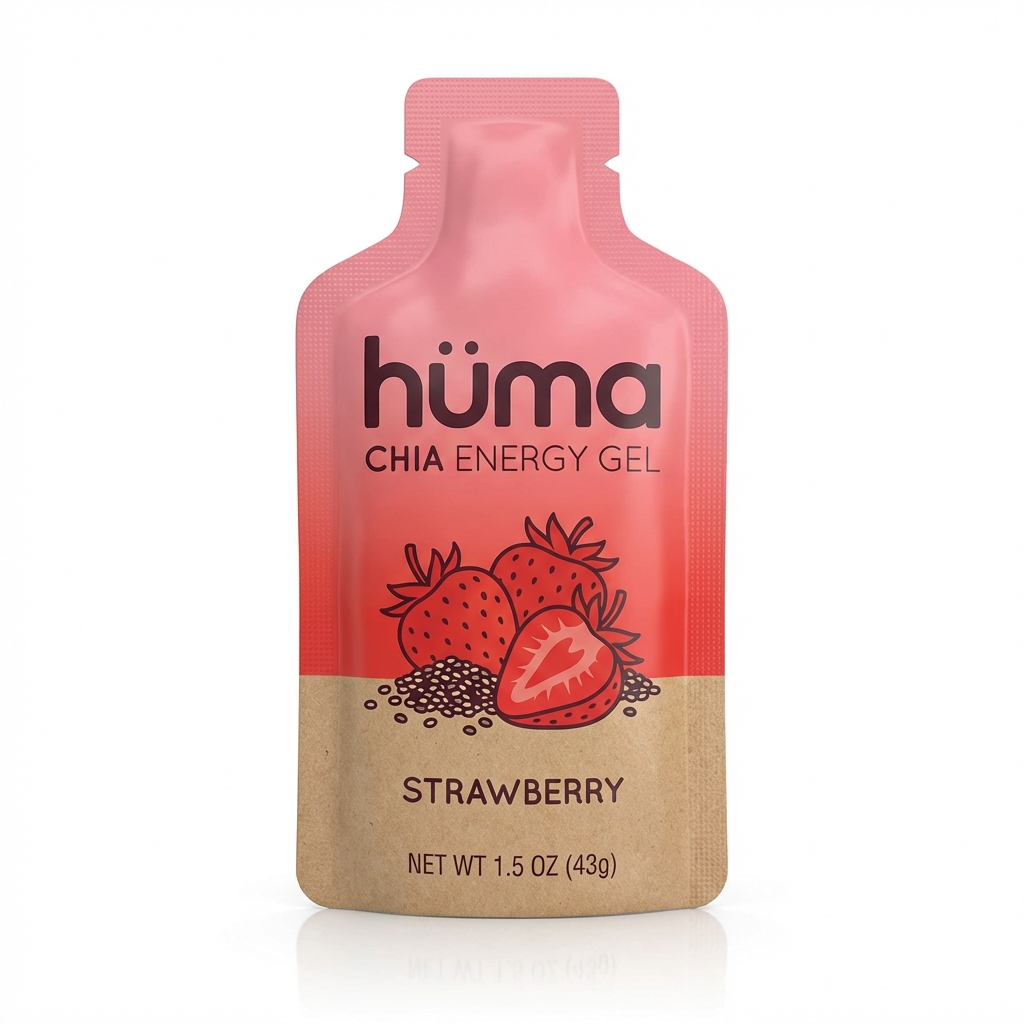
Price: ~$2.50/gel | Carbs: 21–24g | Caffeine: 0mg (50mg in caffeinated variants) | Sodium: 105–110mg
Not everyone wants to fuel from a lab. If you're the athlete who reads ingredient labels, grimaces at maltodextrin-heavy gels, and generally wishes you could eat actual food on the bike — Hüma is built for you.
Hüma Chia gels use real fruit purees (strawberries, mangoes, blueberries), cane syrup, brown rice syrup, finely milled chia seeds, and sea salt as their foundation. The consistency is smooth — more like natural fruit puree or applesauce than a traditional gel — and it goes down easily even without water. The 2:1 glucose-to-fructose ratio from natural sugars means dual-source carbohydrate absorption without the lab-grade precision of something like Maurten, but it works.
The chia seeds aren't just marketing. They contribute fiber, Omega-3s, and help moderate the glycemic response, providing energy that feels steadier and less spikey than pure maltodextrin gels. Athletes with IBS or generally unhappy GI tracts frequently report that Hüma is the gel that finally let them race without the fear of a porta-potty detour.
With 105–110mg of sodium, Hüma also offers a better electrolyte profile than most natural-ingredient competitors. The flavours are genuinely good — not chemically-good, actually good. The Mangoes flavour in particular has a legitimate fan club.
One caveat: in very hot conditions, the natural fructose content can make the gel taste intensely sweet. Carry water.
Best for: Athletes with sensitive stomachs, those who prefer natural ingredients, sprint to 70.3 distance, anyone who's had bad GI experiences with conventional gels.
Pros: 100% natural ingredients, outstanding digestibility, genuinely good flavours, solid sodium content, vegan and gluten-free, affordable (~$2.50).
Cons: Lower carb count (21–24g) means more frequent dosing. Can become overly sweet in heat. Less ideal for athletes needing 80–90g/hr carb strategies.
6. Neversecond C30 — The Triathlon-Native Gel That Earned Its Spot
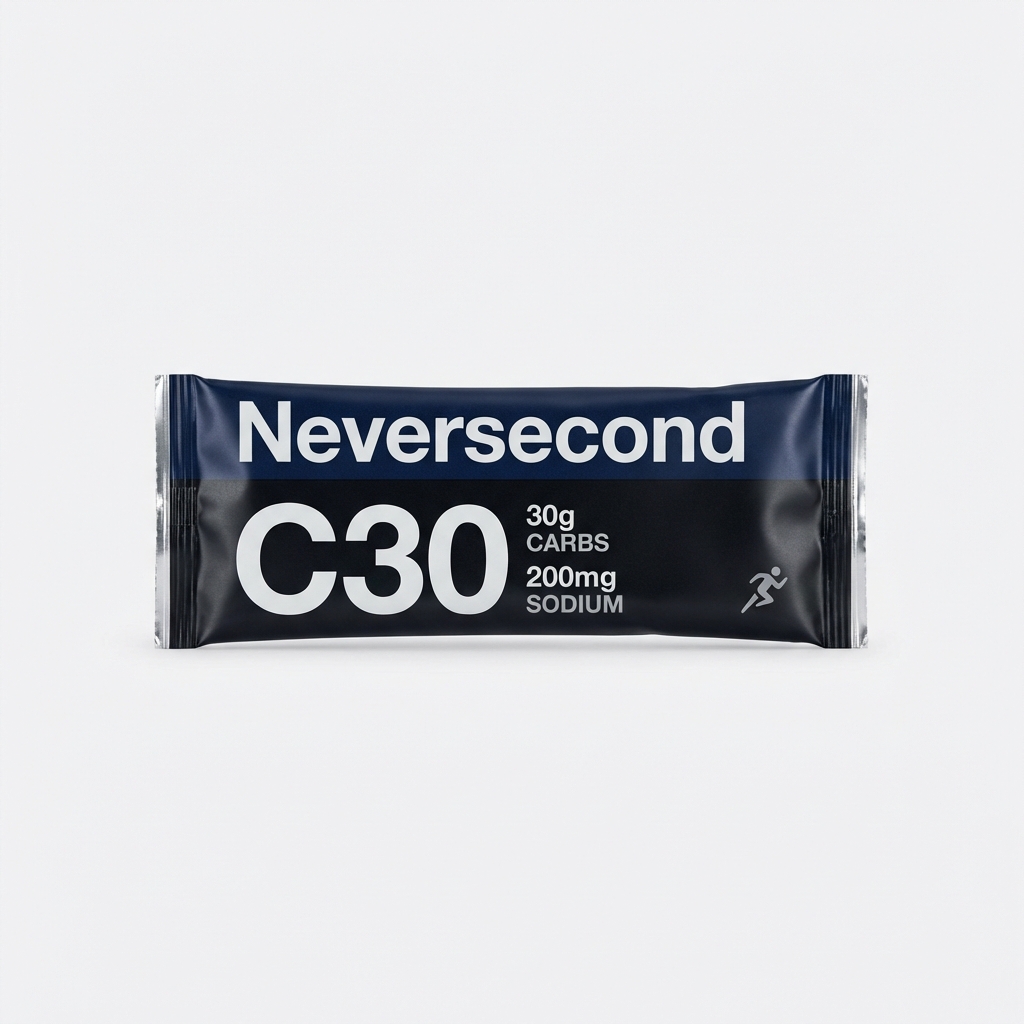
Price: ~$3.00/gel | Carbs: 30g | Caffeine: 0mg (75mg in C30+ Caffeine) | Sodium: 200mg
Neversecond is the new kid on the gel block, but they came in hot with a very deliberate product. The C30 was designed specifically for triathlon fueling demands — and the specs reflect it. 30g of carbohydrates in a 2:1 maltodextrin-to-fructose ratio, 200mg of sodium per gel, and an isotonic formulation that you can take without water. That sodium count is the headline: most gels give you 20–50mg. Neversecond gives you 200mg, which is more in line with what you're actually losing per hour in a warm-weather race.
The Triathlete.com team highlighted it specifically for GI friendliness, noting the water-and-pectin composition creates a thick liquid that's easy to manage without additional fluid. The Berry flavour is well-regarded. The C30+ Caffeine variant adds 75mg of caffeine — a more conservative dose than some competitors, which makes it easier to stack over the course of a race without heart-rate surprises at mile 15 of the run.
For an Ironman 70.3 in warm conditions — the race where sodium management often separates good days from catastrophic ones — the C30 is arguably the most purpose-built gel on this list. That 200mg sodium number isn't an accident.
Best for: Warm-weather racing, athletes with high sweat rates, 70.3 and full Ironman distances, athletes building a high-carb fueling strategy who also need electrolytes.
Pros: Best-in-class sodium (200mg), 30g carbs, isotonic (no water needed), triathlon-specific design, good GI tolerance reported.
Cons: Newer brand with less long-term community testing than GU or Maurten. Premium pricing relative to carb count.
Quick Comparison: The Numbers Side by Side
| Gel | Carbs | Sodium | Caffeine Option | Price | Water Needed |
|---|---|---|---|---|---|
| GU Roctane | 21–23g | 125–190mg | 35mg ✅ | ~$2.50 | Yes |
| Maurten Gel 100 | 25g | 20mg | 100mg ✅ | ~$3.50 | No |
| SIS Beta Fuel | 40g | 30–200mg | 200mg ✅ | ~$3.99 | No |
| Precision Fuel PF 30 | 30g | 0mg | 100mg ✅ | ~$3.50 | No |
| Hüma Chia | 21–24g | 105–110mg | 50mg ✅ | ~$2.50 | Recommended |
| Neversecond C30 | 30g | 200mg | 75mg ✅ | ~$3.00 | No |
Which Gel Is Right for You?
If you're racing a sprint or Olympic: Any of these will do the job. Budget matters more at shorter distances. GU Roctane or Hüma at $2.50/gel are the smart picks.
If you're racing a 70.3 in warm weather: Sodium is non-negotiable. Neversecond C30 (200mg sodium, isotonic) or GU Roctane (up to 190mg sodium) are your best friends.
If you're racing a full Ironman: You need flavour durability, high carb delivery, and GI reliability. Maurten Gel 100 (especially Caf 100 for the back half of the run) paired with SIS Beta Fuel on the bike is a combination used by many age groupers and pros alike.
If your stomach is a diva: Stop trying to force conventional gels on it and switch to Hüma Chia. Real food ingredients, natural sugars, and that smooth puree texture have saved more races than any sports science intervention.
If you're building a high-carb fueling system: SIS Beta Fuel (40g/gel) plus Precision Fuel PF 30 (paired with PH electrolytes) gives you maximum carb delivery with precision electrolyte management.
The Bottom Line
The best gel is the one you've tested in training, that your gut can handle at race pace, and that you can reliably take on the bike and run without fumbling or gagging. None of these six products are bad choices. All of them are meaningfully better than guessing at an aid station at mile 60.
Start testing in training now. Not two weeks before your race. Not the week before. Now. Your future self — the one who's smiling at the finish line instead of bent over a bollard — will be grateful.
Swim. Bike. Run. Fuel correctly. Suffer beautifully.


