
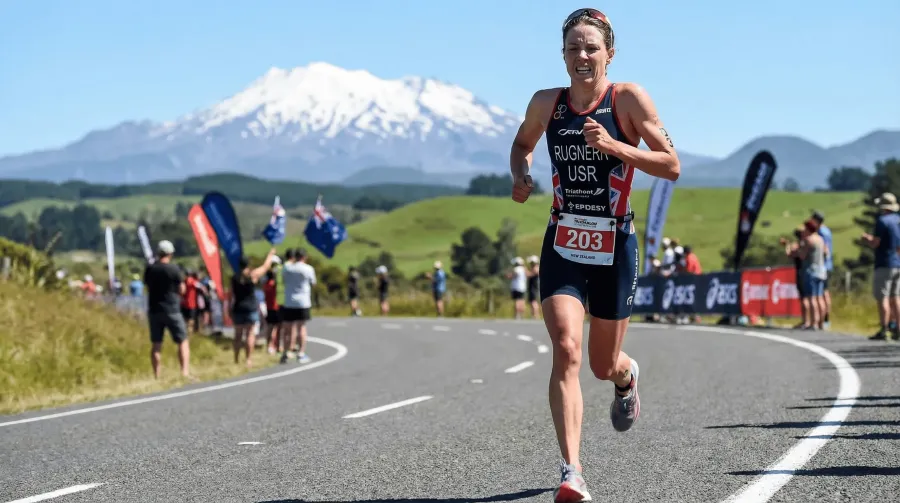
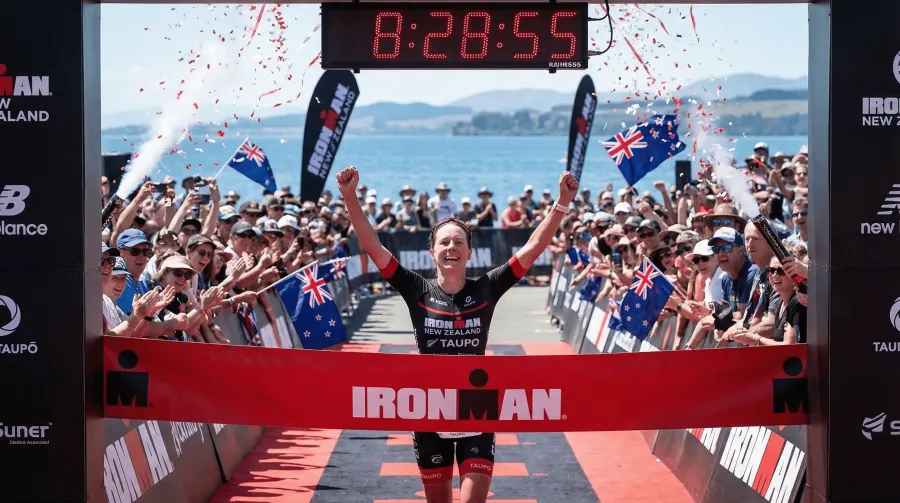
Some races don't just get won. They get dismantled. On March 7, 2026, Kat Matthews showed up to Ironman New Zealand, looked the course record in the eye, and said — not today. Actually, scratch that. She said: not ever again. She finished in 8:28:55, obliterating the previous women's course record by more than ten minutes. If that doesn't make your jaw drop, go back to your spin class.
The Numbers Don't Lie — And They're Terrifying
Let's break down what Matthews actually did on that course. She swam 3.8km in 53:30. She then put her head down and rode 180km in 4:38:01. And if you thought she'd saved nothing for the run, think again — she finished the marathon in 2:51:48. That's not just fast for an Ironman. That's fast, period.
Hannah Berry of New Zealand claimed second place and also dipped under the old course record — which tells you this wasn't just Matthews having a magical day in isolation. Conditions were fast. The pacing was aggressive. The entire women's field raised the bar. But let's be honest: Matthews didn't race the field. She raced the clock, and the clock lost.
"Some athletes race to win. Kat Matthews races to rewrite the record books. There's a difference — and on March 7, the triathlon world felt every second of it."
This was the opening round of the 2026 Ironman Pro Series, and Matthews came in as defending champion. Coming in hot, she showed zero signs of coasting on reputation. This is what defending a title looks like when you actually mean it.
The Men's Race: Foley Stuns, Blummenfelt Battles
The men's race had a different kind of drama. American Trevor Foley took the win in 7:46:44, anchored by a blistering 2:35 marathon that would make pure runners uncomfortable. Foley's run split was the kind of performance that ends debates about whether your run can genuinely carry you to an Ironman win.
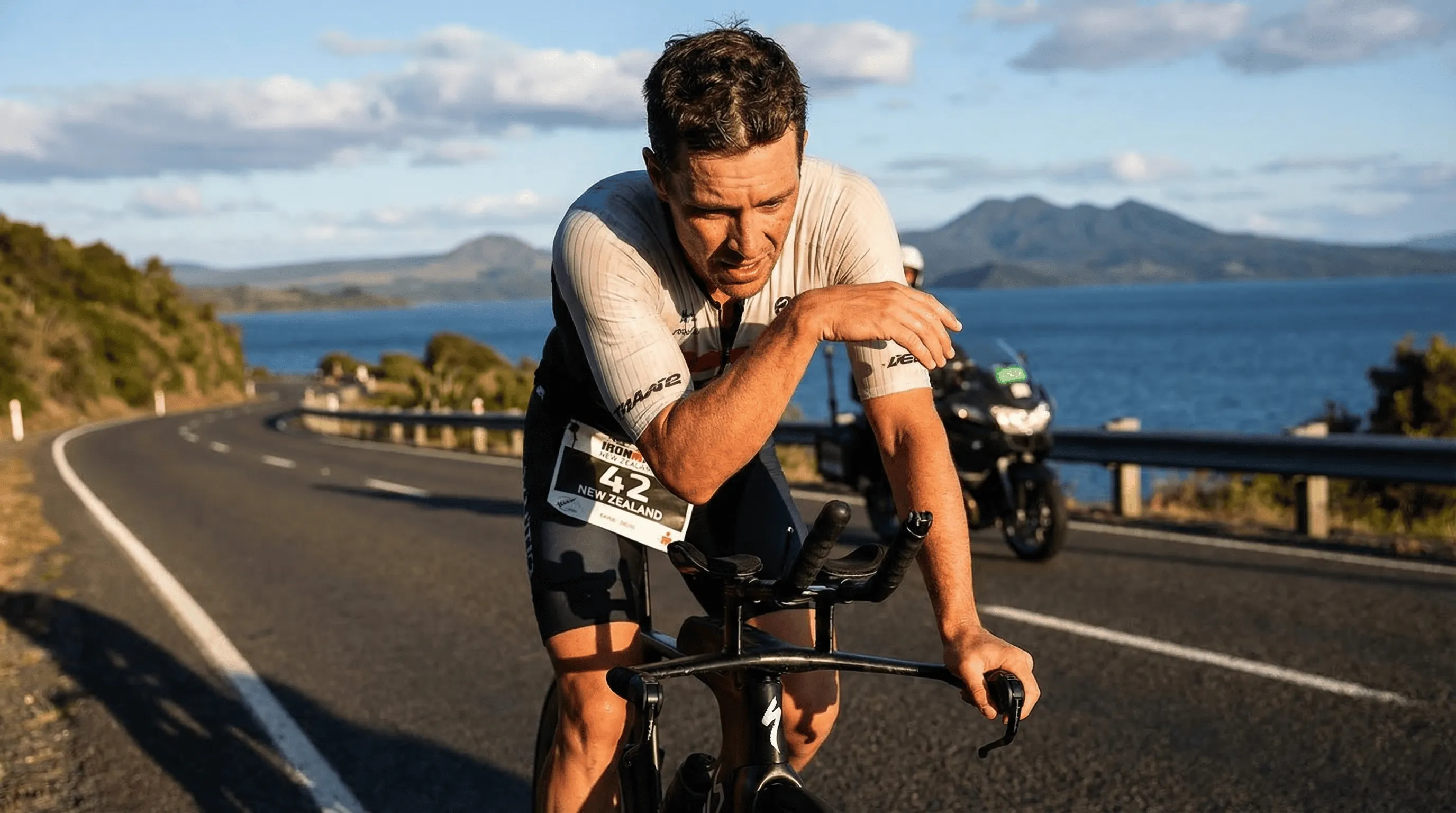
Pre-race favorite Kristian Blummenfelt, however, had a day that will feature heavily in the "mental toughness" conversation for years to come. One of his aero bars broke mid-ride, forcing him to complete a significant portion of the bike leg with only one. The man rode 180km — partially one-armed in a time trial position — and still reached T2 in third place. Let that sink in. He didn't quit. He didn't slow to a crawl. He adapted, dug in, and kept moving.
Blummenfelt ultimately finished sixth after stomach troubles compounded his challenges on the run. But here's the thing about watching an Olympic champion ride a crippled TT bike and still reach transition in podium contention — it tells you something about the character of the man. And it tells you something about what mental fortitude actually looks like under race pressure, not in a motivational quote.
What This Means for Kona 2026
The 2026 Pro Series is off with a bang, and Matthews' record-breaking opener sends a clear message to the rest of the field: catch her if you can. Her swim-to-bike-to-run consistency is the hardest combination to beat in long-course triathlon, and she's shown no sign of weakness across any discipline.
For age groupers watching from afar, there's a lesson here that goes beyond race analysis. These athletes — the ones at the very top — don't arrive at race day hoping for a good performance. They arrive prepared for a great one. The gap between hoping and preparing is where most of us are losing time, and it has nothing to do with carbon wheels or aero helmets.
Foley's win proves the American pro scene is surging. Blummenfelt's resilience proves the Norwegians are never truly out of the conversation. And Matthews' 8:28 proves that the women's Pro Series in 2026 is going to be must-watch triathlon.
The season is just getting started. Pay attention.


