
Scroll through any triathlon forum for five minutes and you'll be convinced you need a $12,000 carbon aero bike, a full-panel trisuit that costs more than your first car, and a nutrition plan designed by a team of sports scientists who moonlight as NASA engineers. The industry wants you terrified. It wants you to believe that without the right gear, you might as well not bother showing up.
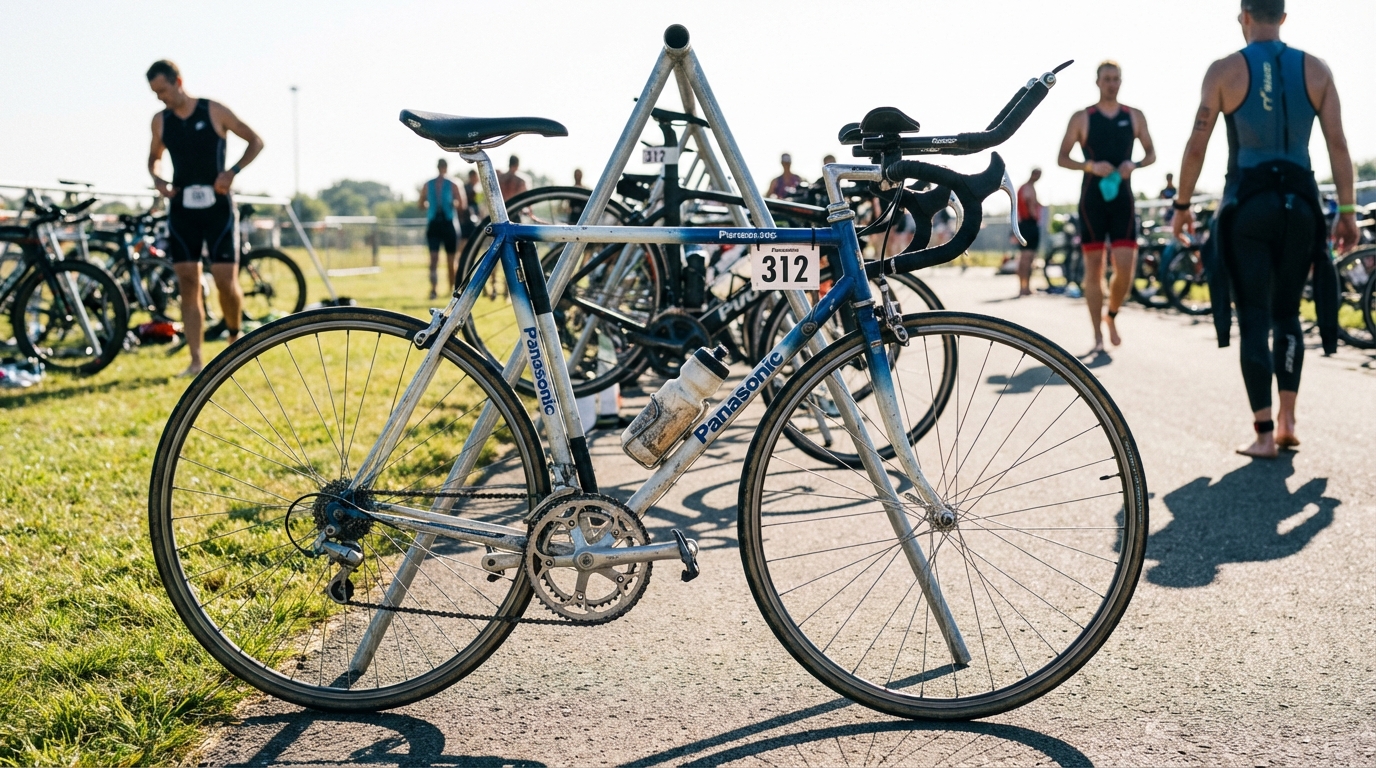
Then someone posts a race report from a 22-year-old student who just finished a 70.3 Half Ironman — 1.9km swim, 90km bike, 21km run — on a 1980 Panasonic steel road bike with downtube shifters, held together by what can only be described as stubbornness and chain lube. He averaged 30 km/h on the bike. He finished. The internet, predictably, lost its mind.
The post triggered hundreds of comments, ranging from "absolute legend" to panicked bike snobs quietly re-evaluating their life choices. And it sparked a very real conversation: what do you actually need for a 70.3? Not what looks cool on Instagram. Not what gets you the Kona slot. What is the honest, functional minimum to cross that finish line?
We dug in. Here's what we found.
The Story: A 40-Year-Old Bike, One Finish Line
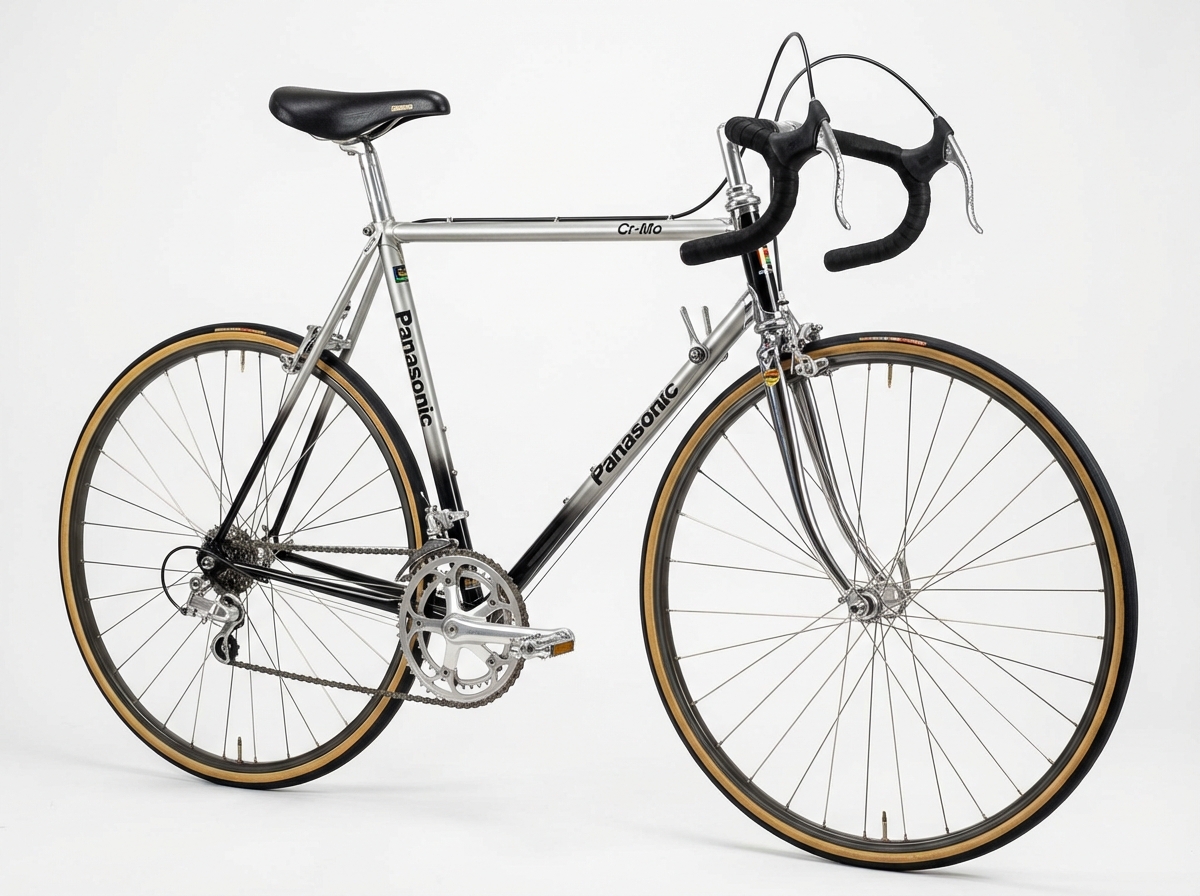
The Reddit post that sparked this piece described a university student who found a 1980s Panasonic racing bike at a garage sale for $40. He cleaned it up, had the local bike shop true the wheels and replace the cables ($60 in labor), added a used pair of clip-on aero bars from eBay ($25), and showed up to a regional 70.3 ready to race.
His total bike spend: under $130. His bike split: competitive. His finish: complete.
"I had people in $8,000 bikes drafting off me on the downhills. The climbs were rough — steel is heavy — but I made up time on the flats with the aero bars. I just kept my cadence high and focused on my swim and run."
This isn't a one-off anomaly. Threads on r/triathlon are full of athletes who've completed 70.3s on decade-old road bikes, aluminum frames from Craigslist, and bikes borrowed from their roommate's garage. The pattern is consistent: fitness beats equipment, almost every time.
The tri industry's dirty secret is that the gap between a $500 road bike with aero bars and a $10,000 TT bike is maybe 5–8 minutes over 90km for an age-grouper. Five minutes. Is that worth $9,500 to you? Genuinely asking.
What You Actually Need — The Real Minimums
Let's be honest about what IRONMAN rules and basic safety actually require for a 70.3. It's less than you think.
- A functioning bike — road-legal, with working brakes. No carbon required. No power meter required. No $400 race wheels required.
- A certified helmet — must be CPSC or equivalent certified. Does not need to be an aero lid.
- Swim goggles — literally any pair that seals to your face.
- Running shoes — anything with a sole. Seriously.
- A race kit — tri suit or a swimsuit under cycling shorts. A two-piece is totally legal.
- Wetsuit — required if water is below 76.1°F (24.5°C), optional but buoyancy-boosting if below 83.8°F (28.8°C).
- Nutrition — whatever keeps you moving. Aid stations exist for a reason.
That's the list. Everything else is optimization. Worthwhile optimization for some — but optional for everyone else. Now let's go category by category and find you a working setup that won't require a second mortgage.
The Bike: Your Biggest Budget Win
The bike is where the tri industry most aggressively robs beginners. You do not need a triathlon-specific bike for your first 70.3. You need a bike that fits you, rolls straight, and has working brakes.
Budget Pick: Used Road Bike + Clip-On Aero Bars
Look on Facebook Marketplace, Craigslist, or your local bike co-op for a used aluminum road bike from a reputable brand (Trek, Giant, Specialized, Cannondale, Fuji). Expect to pay $150–$350 for something from the mid-2000s to 2010s that will be perfectly race-ready after a tune-up.
Pair it with a set of Profile Design T2+ clip-on aero bars (~$60 new, $25 used) and you've gained a significant aerodynamic position without spending a cent on a new bike. That's the move. That's what our Panasonic hero did.
Total bike setup: $175–$450 depending on what you find.
The Wetsuit: Secondhand Hunting Is Your Friend
New triathlon wetsuits range from $150 to over $1,000. But the secondhand market is absolutely stacked with barely-used entry-level suits from people who did one triathlon and moved on with their lives.
Budget Picks:
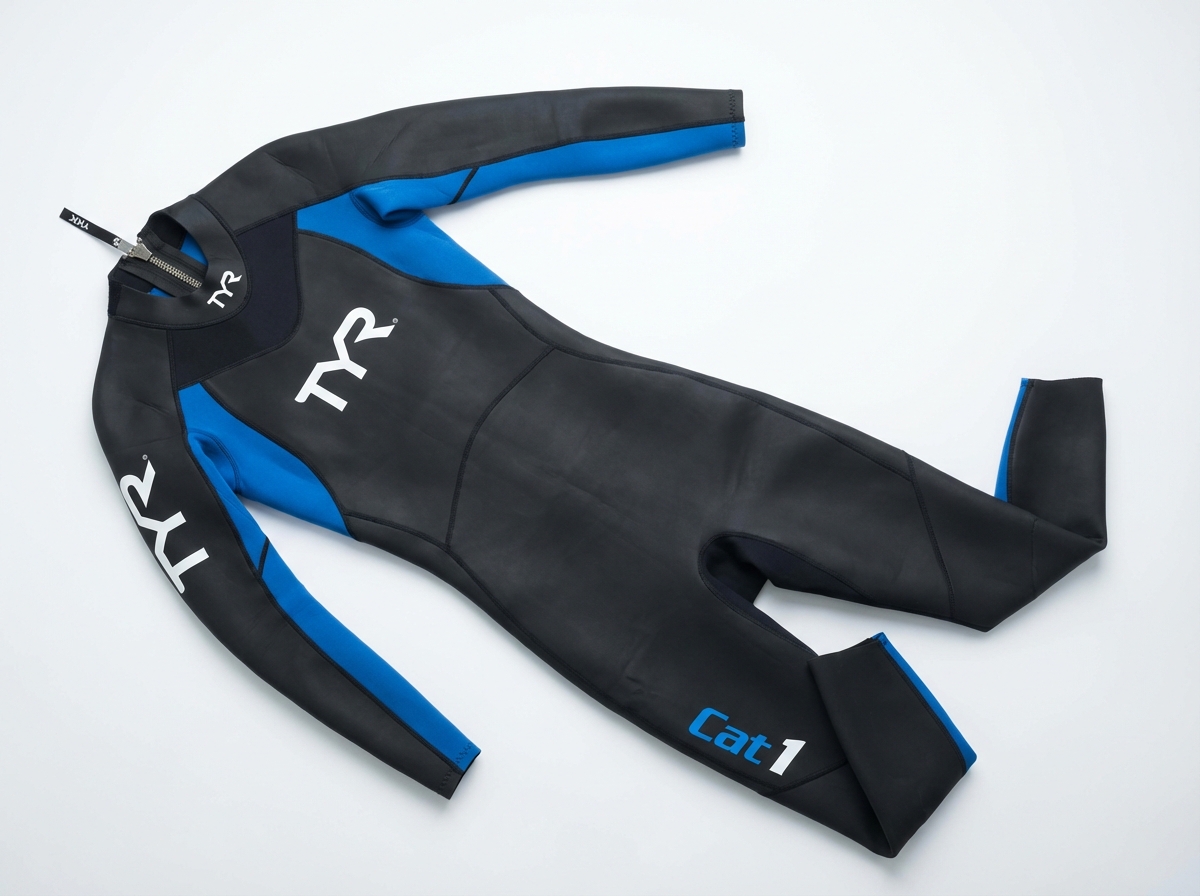
- TYR Cat 1 Full Sleeve Wetsuit — ~$200 new. Excellent buoyancy, comfortable flexibility, solid construction for entry-level and intermediate athletes.
- Zone3 Agile Wetsuit — ~$150–$200. Designed specifically for beginner triathletes. Forgiving fit, good shoulder flexibility.
- Used wetsuit (any brand) — Check eBay, Facebook Marketplace, and local tri clubs. Budget $50–$100 for a gently used name-brand suit. Rinse it after every use, store it flat, and it'll last years.
If the water is warm enough and wetsuits are optional (check your race's rules), skip it entirely for your first race and save the $150 for literally anything else.
The Helmet: Don't Cheap Out Here, But You Don't Need to Overspend
This is the one area where we'll tell you not to sacrifice quality for cost — a helmet is safety equipment, full stop. But "safe" doesn't mean "expensive." A $50 certified road helmet is as safe as a $350 aero lid. The aero lid saves you maybe 30 seconds over 90km. The $50 helmet protects your skull equally well.
Budget Pick: Giro Register MIPS
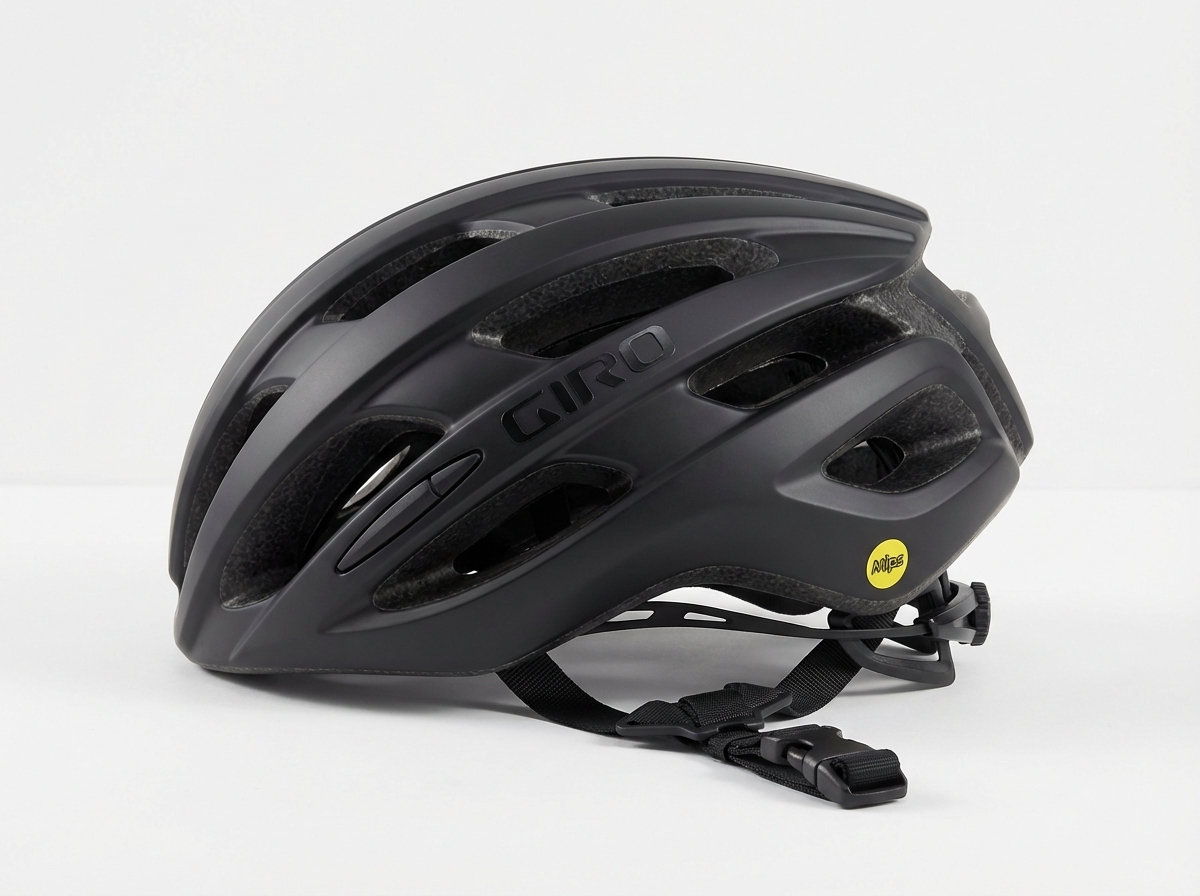
The Giro Register MIPS runs about $60–$70 at most sporting goods stores. MIPS liner, solid construction, well-ventilated, and it will get you through every race on the calendar. The Giro Agilis MIPS (~$80) is another excellent step up if you want slightly better aerodynamics without going full space-helmet.
Swim Goggles: Genuinely Costs Nothing
Some of the fastest open-water swimmers in the world use $15 goggles. This is the most over-thought purchase in triathlon. You need goggles that seal to your face and don't leak. That's it.
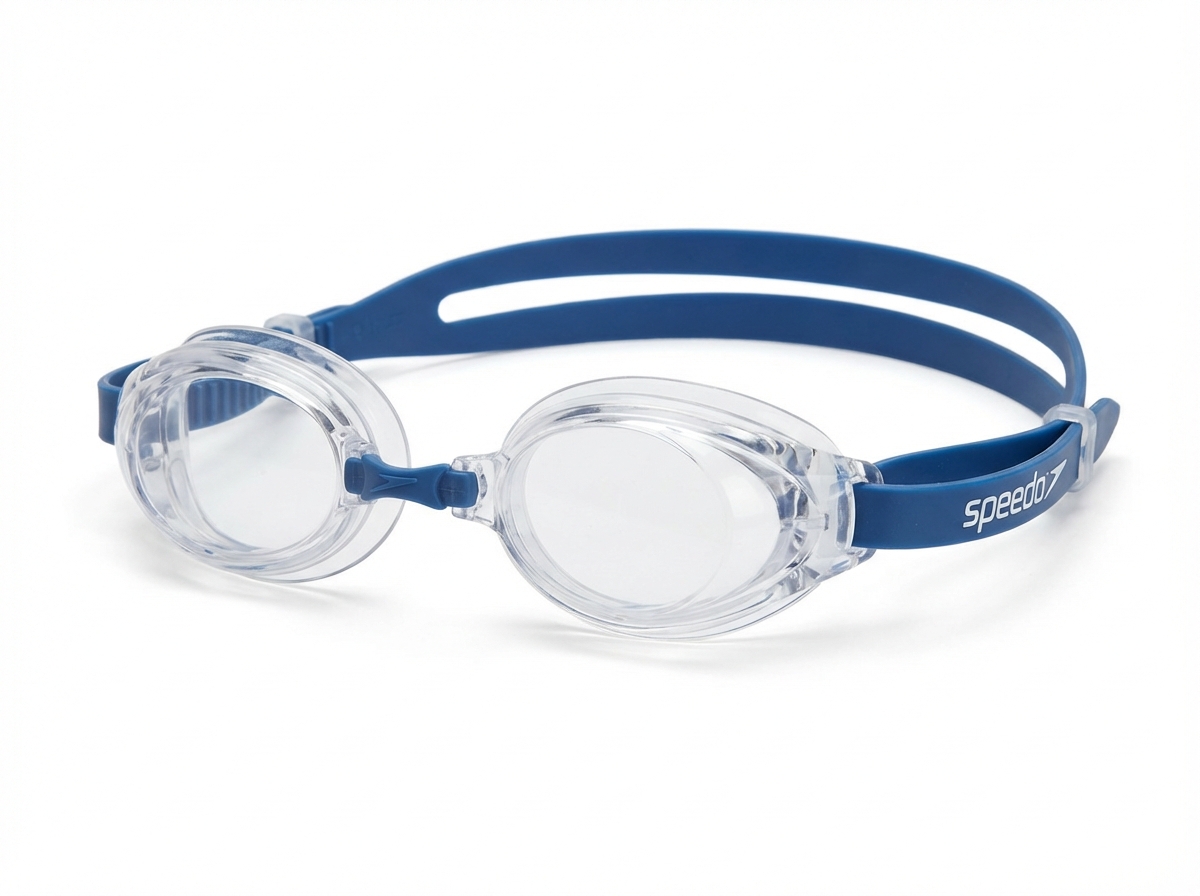
Budget Pick: Speedo Vanquisher 2.0
The Speedo Vanquisher 2.0 costs about $20 and is one of the most widely used competitive swim goggles on the planet. Clear or tinted lens options. Dual-silicone gasket seals well. If these don't fit your face (some people have trouble with the low-profile lens), the TYR Special Ops 2.0 at ~$25 is a worthy alternative.
Running Shoes: Race What You Train In
The best triathlon running shoe is the one you've trained in for the last 12 weeks. Period. Do not buy new shoes for race day. But if you do need a pair that won't destroy your feet and your budget simultaneously, the market has you covered.
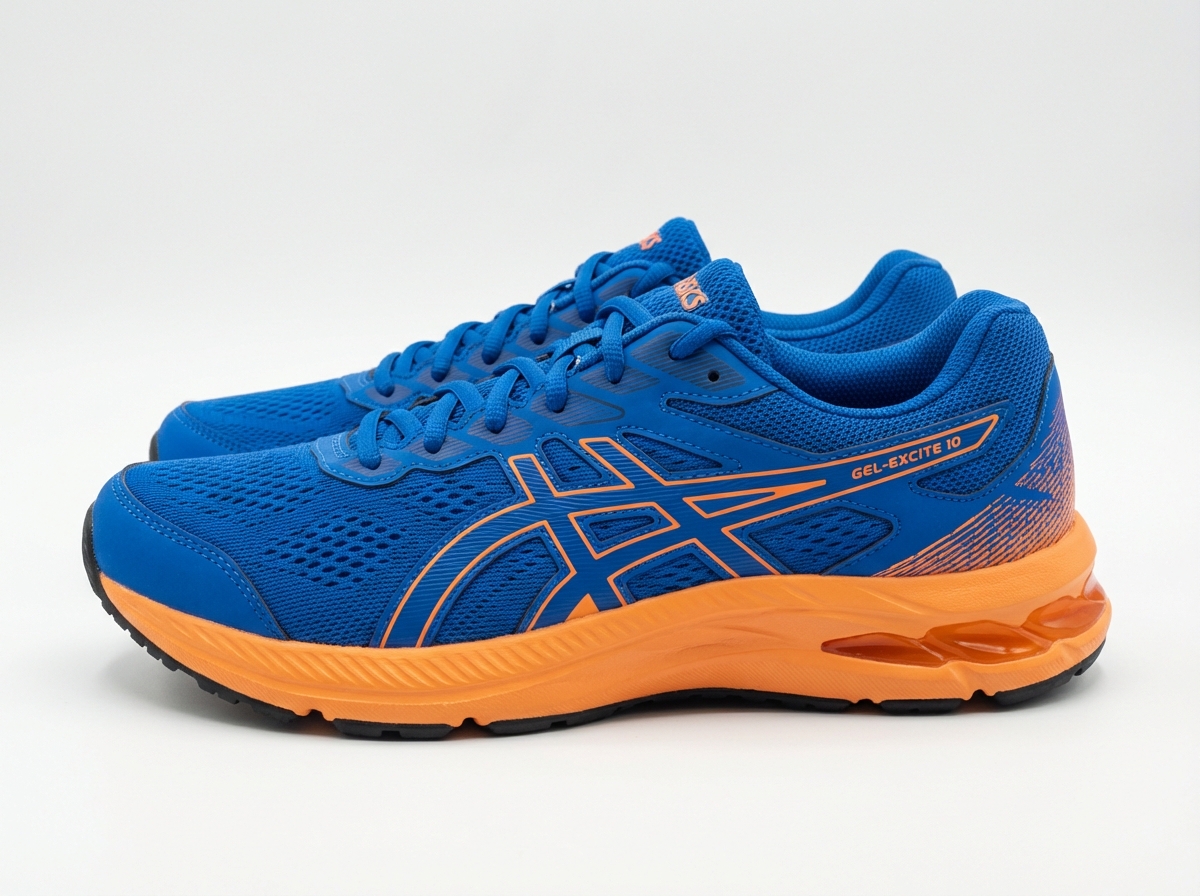
Budget Pick: ASICS Gel-Excite 10
At around $60–$65, the ASICS Gel-Excite 10 delivers a genuinely comfortable ride with adequate cushioning for a 21km half marathon off the bike. It's not a race flat, but it's honest and reliable. The New Balance Fresh Foam Arishi v4 (~$65) and Adidas Duramo SL (~$70) are strong alternatives in the same price bracket.
If you want quick laces for faster T2 transitions, grab a set of Lock Laces elastic no-tie laces for about $8. One of the best value-per-second upgrades in the sport.
Nutrition: The Grocery Store Is Your Sponsor
Race nutrition is another area where the industry has convinced athletes to spend small fortunes on specialty gels and powders that are, at their core, just sugar, salt, and caffeine. Not that there's anything wrong with purpose-made race nutrition — but it's not required.
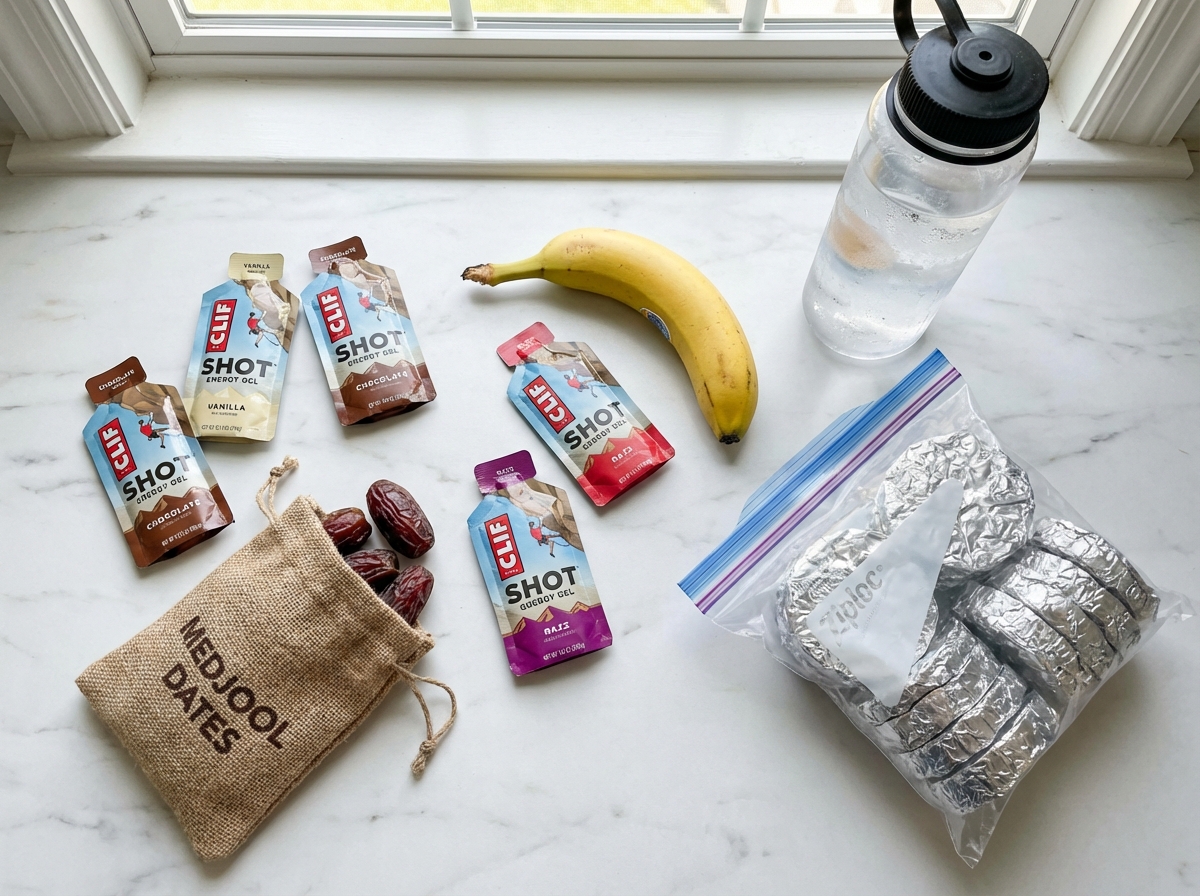
Budget Picks:
- Clif Shot Energy Gels — ~$1.50 each, widely available at sporting goods and grocery stores. One of the most field-tested gels on the planet.
- Medjool dates — Nature's energy gel. ~$5 for a bag that'll fuel multiple rides. Pack 6–8 in a small zip-lock on your top tube.
- Bananas — Aid stations at virtually every 70.3 will have bananas, boiled potatoes, and water. Use the aid stations.
- Homemade rice cakes — Sticky white rice mixed with a little salt, maple syrup, and cocoa powder. Wrap in cling film. Sounds weird, works brilliantly. Cost: pennies.
- Table salt + water + sugar — A homemade electrolyte mix that costs nothing. 500ml water, 1 tbsp sugar, pinch of salt. Not glamorous. Absolutely functional.
Target 200–250 calories per hour on the bike, and keep sipping through the run. Aid stations are your friend — don't try to be self-sufficient if you don't need to be.
The Mindset: The Tri Industry Is Upselling You
Let's call it what it is. The triathlon equipment industry is a multi-billion dollar machine that profits from entry-level intimidation. Every product review, every sponsored post, every glossy magazine spread is quietly whispering the same message: you are not enough without this thing.
That message is a lie.
The biggest factor separating DNFs from finishers in a 70.3 isn't equipment — it's training consistency, pacing discipline, and not going out too hard on the swim. A properly trained athlete on a 1980 Panasonic will beat an undertrained athlete on a $15,000 bike every single time. The physics are undefeated.
Does better gear help at the margins? Yes. Does it matter for finishing your first or fifth 70.3? Mostly no. The people who claim otherwise are often the people selling you the gear.
The Full Budget Breakdown
- Bike (used road bike): $150–$300
- Clip-on aero bars (used): $25
- Wetsuit (used): $50–$100
- Helmet (Giro Register MIPS): $65
- Goggles (Speedo Vanquisher 2.0): $20
- Running shoes (ASICS Gel-Excite 10): $65
- Nutrition (gels + grocery items): $20–$30
- Race belt: $8
- Lock Laces: $8
Total: roughly $411–$621. Skew toward the low end with strategic secondhand hunting and you can absolutely come in under $300 for everything except the entry fee.
Your Wallet Is Not Your Finish Line
The 22-year-old on the Panasonic didn't cross that finish line because of his bike. He crossed it because he trained, showed up, and refused to let the price tag on someone else's equipment tell him what he was capable of.
Triathlon has an image problem. The sport sometimes feels like an exclusive club with a gear-based cover charge. It isn't. At its core, it's swimming, riding a bike, and running — three things humans have done for a very long time without carbon fiber and GPS-enabled race nutrition dispensers.
Your first 70.3 finish line will feel the same whether you're on a 1980 Panasonic or a 2026 Cervélo. The medal is identical. The feeling doesn't come with a price point.
Get the gear you can afford. Train consistently. Show up. The rest is noise.


