
The Discipline You Never Trained
You know your FTP. You track your HRV every morning like a stock portfolio. You've dialed your run cadence to 180 steps per minute and your nutrition plan is split into 15-minute fueling windows. You are, by any objective measure, a data-obsessed triathlete.
And yet — there's a good chance you've never once trained the system that delivers oxygen to every single one of those carefully optimized muscles.
Your lungs. Your airways. The forgotten fifth discipline.
Here's the uncomfortable truth: research estimates that 30-50% of endurance athletes have some form of undiagnosed airway limitation — exercise-induced bronchoconstriction, laryngeal obstruction, chronic rhinitis, or subclinical airway inflammation. Most of them have no idea. They just know they feel like they're breathing through a straw at race intensity and assume that's just... fitness.
It is not fitness. It is your lungs waving a white flag while you ignore them.
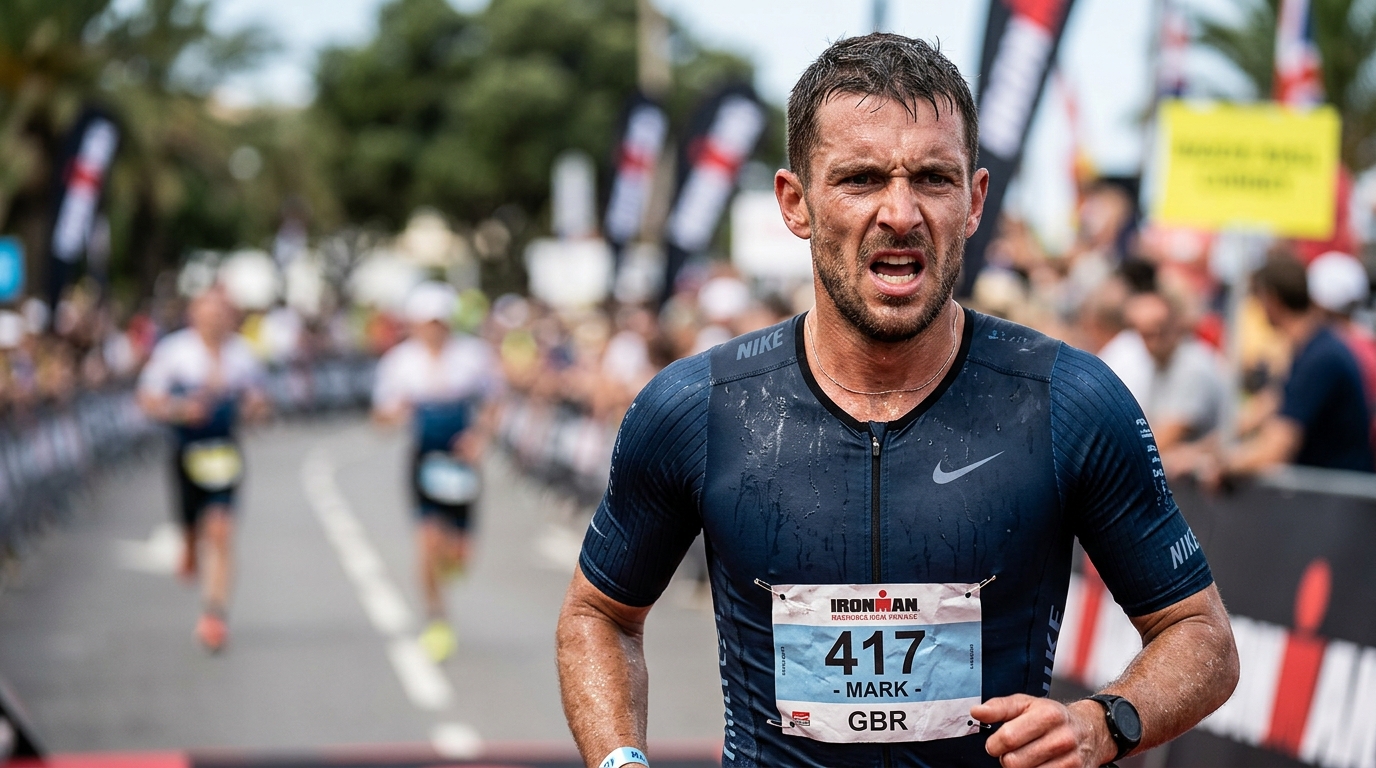
Why Triathletes Are Uniquely Vulnerable
Most sports are rough on one environment. Triathletes get all three — and each one hits your respiratory system differently.
The Pool Problem: Chlorine Is Not Your Friend
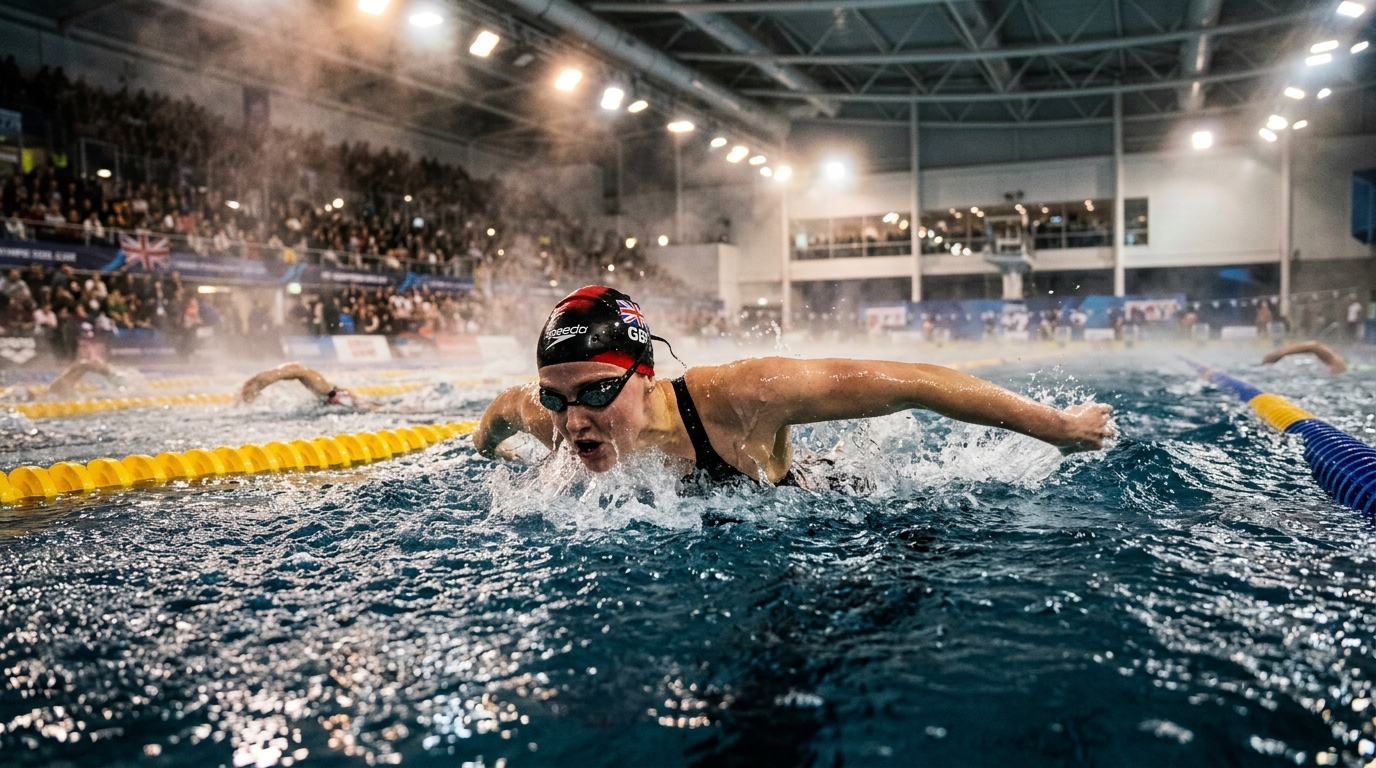
Swimming is the best low-impact cardio in the world. Indoor pool swimming is also, from a lung health perspective, a prolonged exposure event in a chlorine gas chamber. That's not hyperbole — it's chemistry.
Chlorine reacts with organic matter (sweat, urine — you know who you are) to form chloramines: volatile compounds that hover right at breathing height in indoor pools. Long-term exposure is directly linked to increased rates of exercise-induced bronchoconstriction and chronic airway hyperresponsiveness. Studies show rhinitis rates among competitive swimmers can hit 74%. Nearly three-quarters. That's not a coincidence — that's chlorine doing what chlorine does.
The fix isn't to stop swimming. It's to be smart: train at pools with good ventilation, shower before entering (less organic matter = less chloramine production), and take outdoor pool or open-water sessions when you can. If you're training more than 4 times per week in an indoor pool and your nose runs like a faucet year-round, that's not allergies. That's your airway staging a protest.
Urban Training: Your City Is Trying to Slow You Down
You wake up at 5:30 AM for your long run before the city wakes up. Smart move — except the city's pollution doesn't sleep. PM2.5 particulate matter, nitrogen oxides, and ozone linger from the previous day's traffic, and morning inversion layers can actually concentrate them at street level.
Research published in 2025 found a direct correlation between rising PM2.5 and ozone levels and increased Ironman finish times. Athletes in high-pollution training environments showed measurable reductions in VO2max and increased bronchial hyperresponsiveness compared to controls. The pollutants trigger oxidative stress and systemic inflammation — two things that will absolutely tank your race-day performance.
Urban athletes need to check air quality like they check weather. AQI above 100? Consider moving your hard session indoors or dropping intensity significantly. It's not soft. It's science.

The Nasal Breathing Advantage You're Leaving on the Table
Here's one that will feel weird and then feel obvious: nasal breathing during training is a performance multiplier that most athletes ignore because it's uncomfortable at first.
Your nose is not just a decorative structure on your face. It's a sophisticated air-processing unit that warms, humidifies, and filters incoming air before it hits your lungs. More importantly, nasal passages produce nitric oxide — a vasodilator that improves blood flow and enhances oxygen delivery to working muscles. When you mouth-breathe exclusively, you bypass all of that.
Studies show nasal breathing can deliver 10-20% higher oxygen absorption efficiency, partly because the increased airflow resistance strengthens your diaphragm and respiratory muscles over time. It also helps maintain better CO2 balance, reducing that hyperventilation spiral that hits during race-day anxiety.
"The nose is your performance enhancer that's been legal forever and costs nothing. Most athletes just refuse to use it."
Yes, nasal breathing during hard efforts feels like breathing through a coffee stirrer at first. That's the point. Your respiratory muscles — like any other muscle — adapt to resistance training. Start on easy aerobic runs. Force nasal breathing for the first 20 minutes of every zone 2 session. Give it 6-8 weeks. The improvement in breathing economy is measurable.
The Conditions Quietly Capping Your Performance
Beyond environmental factors, there are specific conditions that affect triathletes at surprisingly high rates — and go undiagnosed because athletes write off the symptoms as fitness limitations:
- Exercise-Induced Bronchoconstriction (EIB): Airway narrowing triggered by exercise, especially in cold or dry air. Symptoms include post-workout cough, chest tightness, and that "can't catch your breath" feeling after hard efforts. Often misattributed to poor fitness.
- Exercise-Induced Laryngeal Obstruction (EILO): The larynx partially closes during high-intensity exercise, causing breathlessness and inhalatory stridor. Commonly misdiagnosed as asthma. More prevalent in swimmers than any other sport.
- Respiratory Muscle Fatigue: Your inspiratory muscles fatigue just like your legs — and at high intensities, they literally compete with your legs for oxygenated blood. An Olympic-distance triathlon has been shown to significantly reduce inspiratory muscle strength for up to 24 hours post-race.
- Exercise-Induced Arterial Hypoxemia (EIAH): At high intensities, your respiratory system can't oxygenate blood fast enough to keep up with demand. Your VO2max hits a ceiling not because your legs gave out, but because your lungs did.
If any of those feel familiar — not as race-day problems, but as your normal — you should see a sports medicine physician who specializes in respiratory function. A simple exercise challenge test can diagnose most of these conditions, and treatment (which often includes respiratory muscle training and/or targeted medication) can make a dramatic difference.
Daily Habits That Protect Your Engine
You don't need to overhaul your training. You need to stop neglecting the system that makes all of it possible. Here's the practical checklist:
- Check AQI before outdoor training. IQAir, AirNow, or PurpleAir give real-time data. AQI over 100 means modify your session. AQI over 150 means go inside, full stop.
- Ventilate during pool sessions. Train at facilities with good air exchange systems. If the pool smells aggressively of chlorine, the chloramine concentration is high — that smell means it's already in your lungs.
- Add Inspiratory Muscle Training (IMT). Devices like the PowerBreathe provide measurable resistance to breathing muscles. Research in triathletes shows IMT improves respiratory muscle strength, VO2max, and endurance performance. It takes 10 minutes a day.
- Practice nasal breathing on easy days. Zone 1-2 training is the perfect time to force the adaptation. Your easy runs should be nasal-only. If you can't hold a nasal breathing pace, you're not in zone 2 — you're in zone 3 thinking you're in zone 2.
- Rinse nasal passages post-pool. A saline rinse after indoor swim sessions flushes chloramine residue from your nasal passages. Takes 90 seconds. Dramatically reduces chronic rhinitis symptoms.
- Get your breathing tested. If you have persistent symptoms, a sports physician can run a methacholine challenge or exercise provocation test. Know your lungs the way you know your watts.
Your Lungs Are the Limiting Factor You Haven't Measured
Triathlon is an optimization sport. You have apps for your sleep, sensors on your bike, and a nutrition plan that accounts for humidity. You are not leaving anything on the table — except the one system that oxygen has to pass through on its way to your muscles.
The fifth discipline isn't glamorous. You can't post a PR for "best airway health" on Strava. But the athletes who take respiratory training seriously — who learn to nasal breathe, who do their IMT work, who track air quality, and who actually get their airway function assessed — show up to race day with an engine that's actually running clean.
Everyone else is just hoping their lungs don't file a formal complaint at mile 18 of the run.
Train everything. Including the parts you can't see on a power meter.


